How to Tell If You Need a Professional for Your Rat Control Detroit
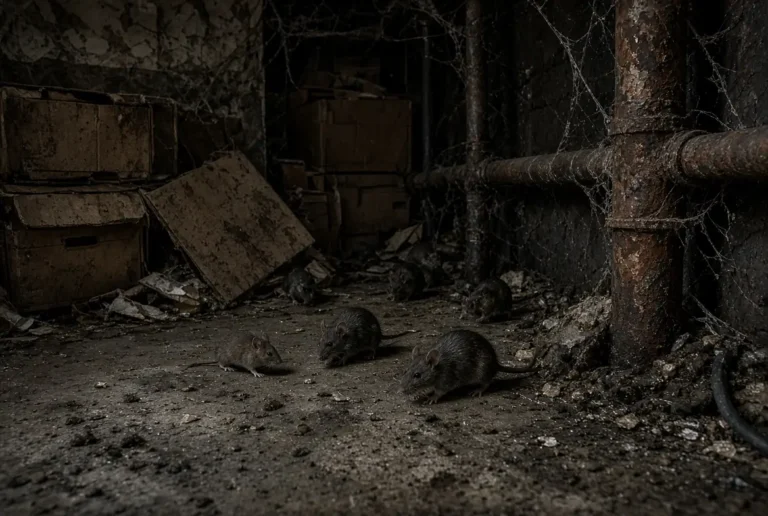
Detroit has dealt with rats for decades, but today’s infestations are larger, faster-spreading, and far more destructive than most homeowners realize. Rats chew wiring, contaminate food, damage insulation, and spread bacteria everywhere they travel. By the time many homeowners start searching for rat control Detroit, the colony has already expanded beyond the point of simple traps or DIY fixes.
This guide lays out the clear signs that you need a professional before the situation turns into a costly, dangerous mess.
1. You Hear Movement in Walls, Ceilings, or Attics
Rats are nocturnal, so the activity becomes obvious when the house gets quiet. If you hear scratching, scurrying, light thumping, gnawing, or movement inside walls or above ceilings, the colony has already established nesting zones. Professional rat control Detroit technicians use tools such as thermal cameras and specialized acoustic equipment to pinpoint exactly where the activity is concentrated.
2. You Are Finding Fresh Droppings Regularly
Fresh rat droppings appear dark, soft, and shiny, while older droppings look gray and crumbly. Droppings usually appear under sinks, behind appliances, along baseboards, and inside pantries. When you find droppings of different ages, you are dealing with long-term activity, not a new problem. At this stage, rat control Detroit professionals are needed to locate the nesting area and remove the colony.
3. You Are Seeing Chew Marks on Wiring, Packaging, or Wood
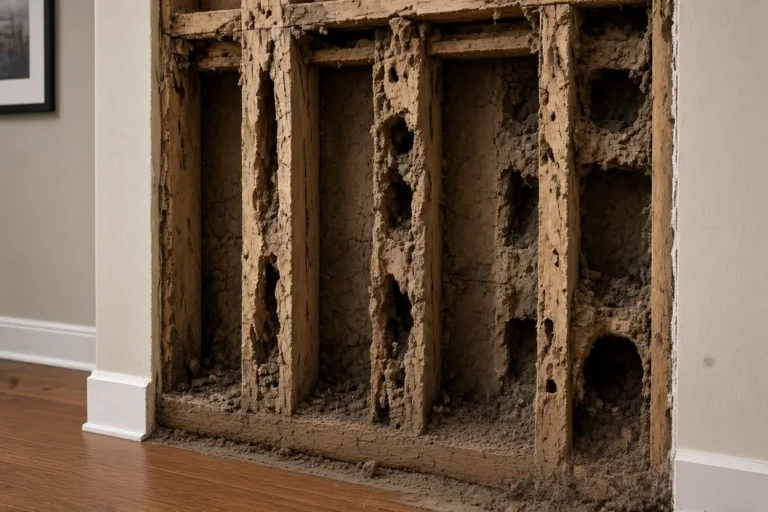
Rats chew constantly because their teeth never stop growing. Evidence includes frayed wires, shredded insulation, holes in food packaging, gouges in wooden trim, and chewed plumbing lines. Electrical damage can create serious fire hazards. When this type of destruction is present, professional intervention is not optional.
4. You Notice Strong or Unusual Odors
Rat infestations produce distinct smells.
• A musky odor often indicates active nesting.
• A strong ammonia smell points to heavy urine marking along travel routes.
• A sour or rotting odor usually means a rat died inside your walls, ducts, or crawlspace.
Professionals who specialize in rat control Detroit can track down the source and remove it safely without damaging your home.
5. You See a Rat During Daylight Hours
Rats avoid daylight because it exposes them to predators. If you see one during the day, the colony has grown too large or the available resources are too limited to support them. Daytime sightings always indicate a serious infestation that needs immediate professional attention.
6. Your Pets Are Acting Strange Around Certain Areas
Dogs and cats can sense movement and smells long before humans notice them. If your pets are barking at walls, sniffing around appliances, scratching at crawlspace doors, or avoiding certain rooms, they are likely detecting rats. A rat control Detroit expert will use those indicators to narrow down the entry points and nesting areas.
7. DIY Traps Are Not Solving the Problem
Most homeowners try snap traps, glue traps, bait stations, or cheap poisons. These methods may catch a few rats, but they never eliminate the colony because they do not address the underlying problem. Rats continue to reproduce, find new hiding spots, and use alternate routes. Professionals remove the active population, seal off entry points, and eliminate the environmental conditions that allow rats to thrive.
8. You Live in a High-Pressure Detroit Area
Certain neighborhoods in Detroit experience heavier rodent activity due to older housing stock, alley systems, vacant buildings, and accessible food sources. Homes near wooded areas, dumpsters, abandoned garages, and restaurant corridors face heightened pressure. Ongoing preventive service from rat control Detroit specialists is often required to keep rats from returning.
9. You Discover Rat Nests or Outdoor Burrows
Indoor nests commonly appear inside walls, behind appliances, in attics, or inside stored boxes. Outdoor burrows usually show up near foundations, landscaping, sheds, and garages. Rats create tunnels two to four inches in diameter with loose soil around the opening. The presence of a nest or burrow indicates an active colony rather than a single intruder.
10. Your Pantry or Food Storage Areas Are Being Raided
Rats are opportunistic and can chew through nearly any packaging. Signs of pantry activity include torn corners on food containers, scattered particles, shredded bags, or trails of grease and urine. A rat control Detroit inspection identifies how the rats accessed those areas and prevents future breaches.
11. You See Grease Trails or Rub Marks Along Walls
Rats travel along the same routes every night, and their oily fur leaves dark smear marks along walls, pipes, and baseboards. When these “rat highways” appear, the colony has already established regular movement patterns inside your home. This not only confirms an infestation but shows how extensive it has become.
12. Your Insulation Is Damaged or Contaminated
Rats shred insulation to create nesting material. This causes heat loss, odor issues, and air contamination. Professional remediation is required to remove contaminated material, sanitize the area, and block the entry points that caused the issue in the first place.
13. You Are Delaying Service Because You Are Worried About Cost
Many homeowners postpone calling a professional because they fear the cost. Unfortunately, waiting only increases the severity of the infestation and the repair expenses. Rats multiply every 21 days, and damage escalates quickly.
For a detailed breakdown of realistic pricing, you can reference this guide:
When You Absolutely Need Professional Rat Control Detroit
If any of the following conditions apply, you should not attempt DIY solutions:
• You have seen more than one rat
• You hear activity every night
• You have found a nest or burrow
• Your wiring or insulation is damaged
• You have seen grease trails
• You can smell the infestation
• You have spotted a rat during daytime
• Your traps are catching rats but not reducing activity
These signs indicate an established colony that requires professional removal.
What a Professional Rat Control Detroit Service Actually Does
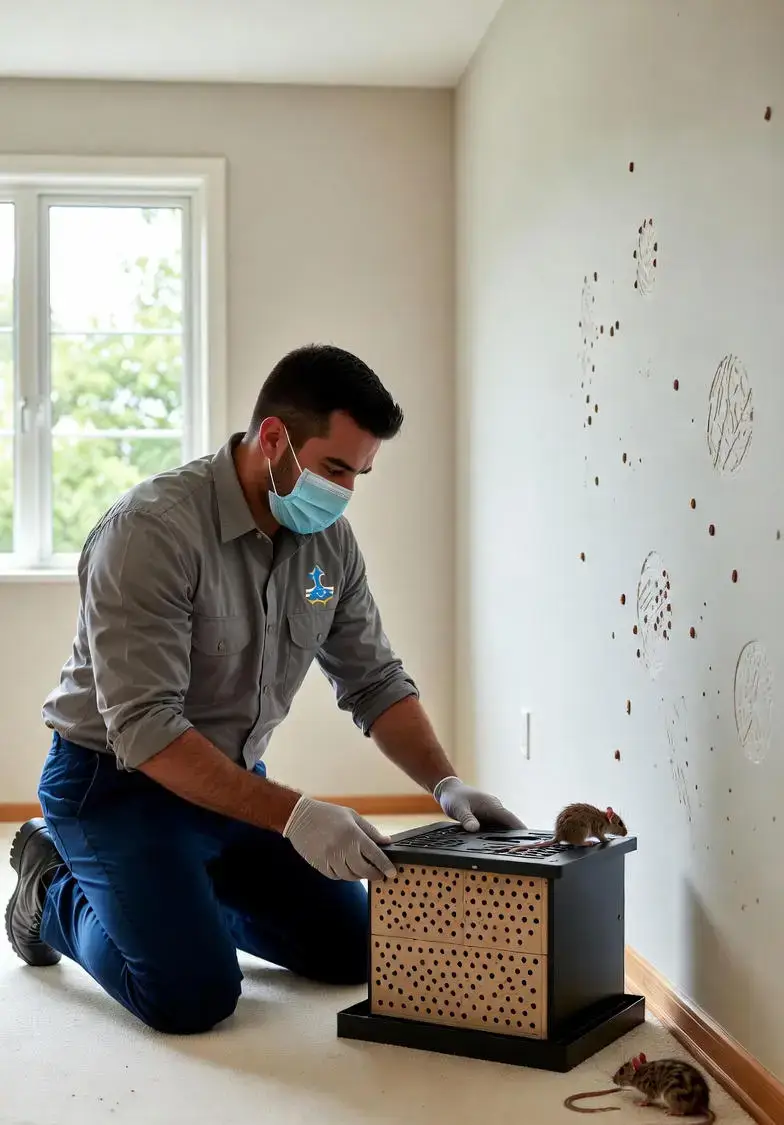
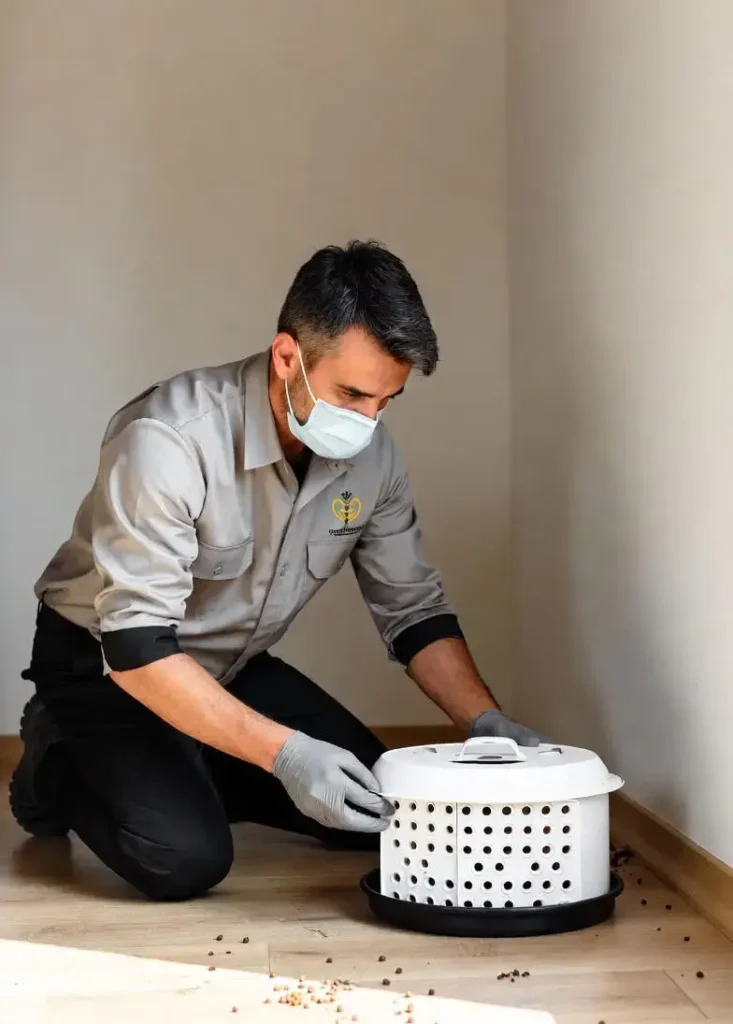
A trained rodent technician follows a structured process designed for long-term elimination rather than short-term control.
1. Full Home Inspection
The technician performs a detailed assessment of your home to locate every entry point, nesting zone, food source, travel route, and structural vulnerability.
2. Removal of the Active Colony
The technician removes the rat population using a controlled, strategic approach that prevents the colony from scattering or relocating to new areas of your home.
3. Sealing Entry Points
Rats can squeeze through openings the size of a quarter. Professionals close these gaps using chew-resistant materials and construction-grade sealing methods that rats cannot breach.
4. Nest Removal and Sanitation
Removing nests eliminates scent trails and pheromone markers that attract new rats. The affected areas are disinfected to restore safe living conditions.
5. Ongoing Prevention
Professionals establish long-term monitoring and prevention strategies to ensure rats cannot return. This includes barriers, preventive trapping, and exterior reinforcement.
Do Not Wait Until the Problem Gets Worse
Rats cause damage at a rapid pace. They multiply quickly, spread bacteria, and create structural and electrical hazards that become dangerous and expensive. DIY methods rarely solve the root issue, and waiting only leads to greater damage.
If you are dealing with rats in your Detroit home, the safest and most effective solution is to contact a rat control Detroit specialist who understands local rodent behavior, Detroit construction styles, and the environmental conditions that allow infestations to spread.
Addressing the problem early protects your home, your family, and your wallet.