Preventing Rodent Infestations: How to Keep Rats and Mice Out of Your Home
Need Help Preventing Rodents From Getting Inside?
Finding gaps, damaged vents, door openings, or other areas that could give mice and rats access to your home? Fixing these problems early can help prevent a small rodent problem from becoming a larger infestation.
Call today to discuss exterior repairs and other home maintenance that can help keep unwanted rodents out.
Call 313-422-7926Few things make a homeowner uncomfortable faster than finding mouse droppings in a kitchen cabinet or hearing scratching inside a wall at night. Once rodents find a reliable source of food, water, and shelter, they can be surprisingly difficult to get rid of.
The best rodent problem is the one that never gets started.
Preventing rats and mice from entering your home is usually more effective than waiting until you have an infestation and trying to eliminate it afterward. That means sealing entry points, removing food sources, reducing hiding places, and keeping the exterior of the home in good repair.
For Detroit-area homeowners, seasonal weather can make rodent prevention especially important. As temperatures drop, mice and rats may look for warmer places to shelter, including garages, basements, crawl spaces, attics, and wall cavities.
Here’s how to make your home much less inviting to rodents.
What Attracts Mice and Rats to a House?
Rodents are primarily looking for three things:
- Food
- Water
- Shelter
A home can accidentally provide all three.
Pet food left outside, unsecured garbage, birdseed, food crumbs, leaking pipes, cluttered garages, and openings around the exterior can create an attractive environment.
Rodents don’t need much space to get inside, either.
A mouse can squeeze through an opening that is surprisingly small. Rats need more room, but they are also capable of exploiting damaged vents, gaps around pipes, foundation openings, and deteriorated building materials.
The goal isn’t simply to make the house clean.
The goal is to make the property difficult to enter and unattractive once rodents are outside.
How Do Mice Get Into a House?
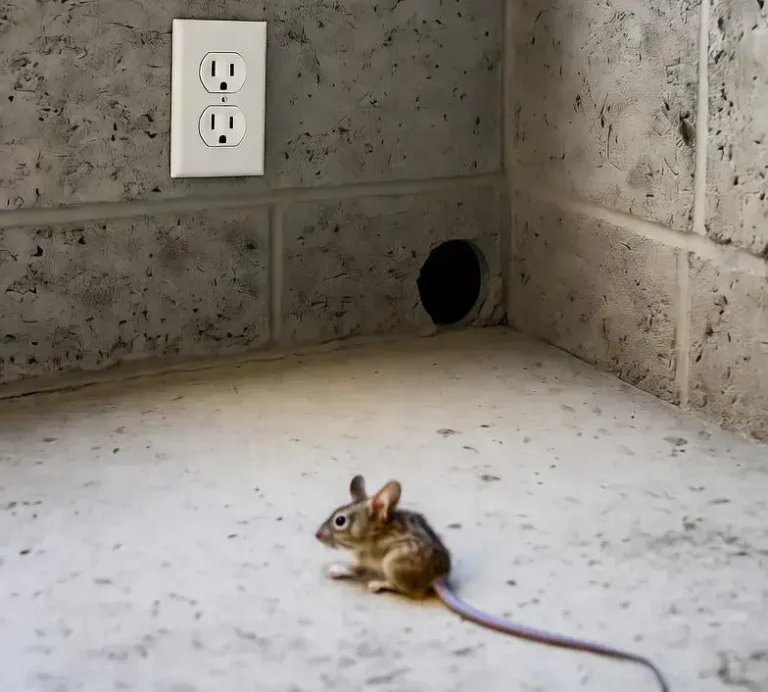
Mice can enter through small gaps around the exterior of a home.
Common entry points include:
- Gaps around pipes and utility lines
- Cracks in the foundation
- Openings around doors and windows
- Damaged vents
- Gaps underneath garage doors
- Roof and soffit openings
- Damaged siding
- Gaps around chimneys
- Openings around air-conditioning lines
- Crawl-space vents
- Damaged screens
A mouse doesn’t need a large hole.
This is why inspecting the entire exterior is more useful than checking only the areas where you’ve already seen evidence of rodents.
How Do Rats Get Into a House?
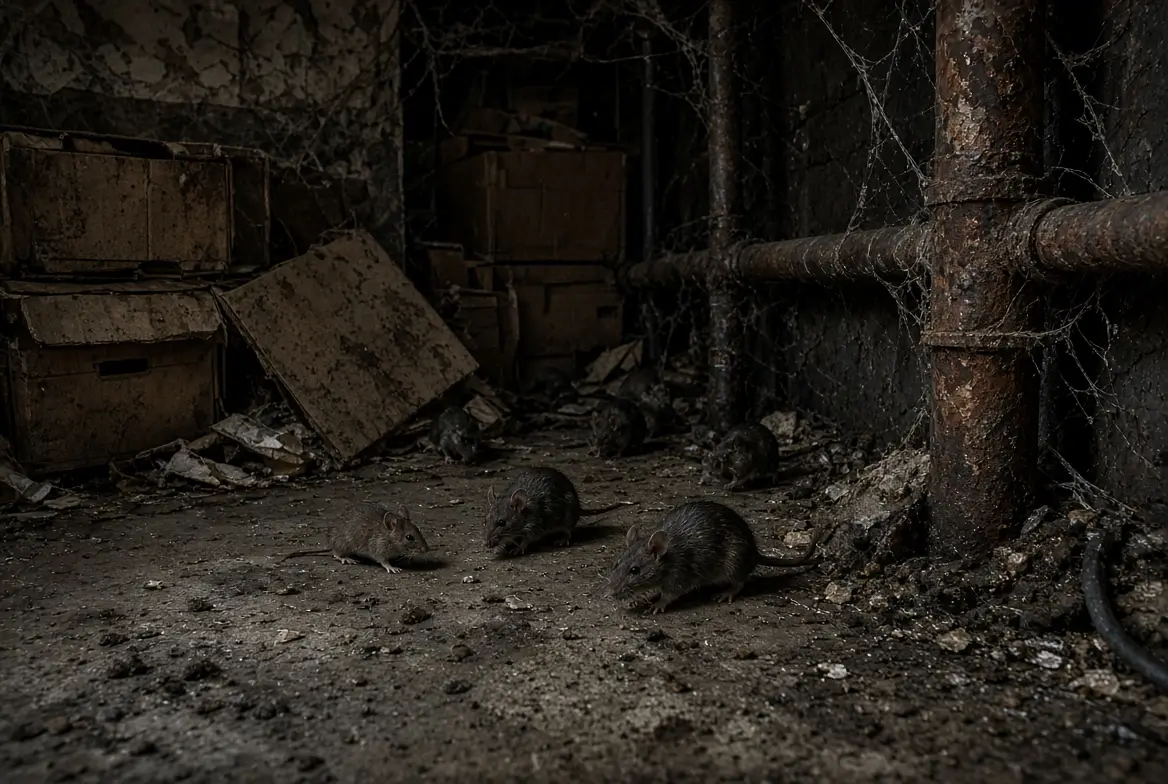
Rats typically need larger openings than mice, but they are excellent at taking advantage of damaged or poorly sealed areas.
They may enter through:
- Foundation gaps
- Sewer or drainage openings
- Damaged vents
- Garage doors
- Crawl spaces
- Broken exterior doors
- Roof openings
- Gaps around utility penetrations
- Damaged siding or trim
Rats can also enter structures through openings around pipes and other building penetrations.
If you have evidence of rats, finding and correcting the entry point is an important part of solving the problem.

What Are the Signs of a Rodent Infestation?
You don’t always see a mouse or rat.
In many cases, the first evidence is something it leaves behind.
Common warning signs include:
- Droppings
- Scratching sounds
- Gnaw marks
- Grease marks along walls
- Nesting materials
- Damaged food packaging
- Unusual odors
- Holes or gaps in walls
- Shredded insulation
- Rodent activity around garbage
- Pets repeatedly focusing on a particular wall or cabinet
Droppings are especially useful clues because their location can help identify where rodents are active.
If you repeatedly find fresh droppings, assume the problem is active rather than treating them as leftover evidence from an old infestation.
Where Should I Look for Rodent Entry Points?
Start outside.
Walk around the entire perimeter of your home and look for gaps, cracks, holes, and damaged materials.
Pay particular attention to:
Foundation
Look for cracks and openings where pipes or other utilities enter the house.
Garage
Inspect the bottom and sides of the garage door. A damaged door seal can create an easy entry point.
Doors
Check exterior doors for gaps around the frame and underneath the door.
Windows
Inspect damaged screens, loose frames, and gaps around window openings.
Roofline
Look around soffits, fascia, vents, and other openings.
Crawl Space
Check vents and access doors for damaged screens or gaps.
Utility Penetrations
Look where electrical wires, plumbing pipes, air-conditioning lines, and other services enter the house.
These small openings are easy to overlook and can provide rodents with direct access.
Can Sealing Holes Prevent Mice?
Yes. Exclusion is one of the most important parts of rodent prevention.
The basic idea is simple: find the openings rodents are using and seal them with materials appropriate for the location.
However, simply filling a hole with whatever material is available isn’t always a permanent solution.
Rodents can chew through certain materials.
A durable repair may require a combination of appropriate sealants, metal mesh, hardware cloth, replacement materials, or other physical barriers.
The repair should also address why the opening exists in the first place.
If siding is damaged, a vent is broken, or a door doesn’t close properly, repairing the underlying problem can provide a longer-lasting solution.
What Should I Use to Seal Mouse Holes?
The right material depends on the size and location of the opening.
For small gaps, appropriate exterior-grade sealants may be useful. Larger openings may require more substantial physical barriers.
Materials commonly used for rodent exclusion can include:
- Metal mesh
- Hardware cloth
- Durable sealants
- Metal flashing
- Replacement vent screens
- Door sweeps
- Weatherstripping
- Repair materials matched to the existing structure
The important thing is durability.
A temporary patch that rodents can chew through doesn’t solve the underlying problem.
Will Steel Wool Keep Mice Out?
Steel wool is sometimes used as part of a small-hole repair because rodents have difficulty chewing through the metal fibers.
However, steel wool by itself isn’t necessarily the best long-term exterior repair.
It can deteriorate, become exposed to moisture, and leave the surrounding opening vulnerable.
For a lasting repair, the opening should be properly sealed using materials appropriate for the location and construction of the home.
Think of steel wool as a possible component of an exclusion repair, not a universal solution for every rodent entry point.
How Do I Keep Mice Out of My Garage?
Garages are common rodent entry points because they often have direct access to the outdoors and aren’t always as tightly sealed as the living areas of a home.
Inspect:
- Garage door seals
- Corners
- Side doors
- Utility penetrations
- Wall openings
- Roof and soffit areas
- Stored materials
Keep garbage, birdseed, pet food, and other attractants in sealed containers.
Reduce unnecessary clutter as well.
A garage filled with boxes, paper, fabric, and unused materials can provide rodents with plenty of places to hide and build nests.
How Do I Keep Rats and Mice Out of My Basement?
Basements can be attractive to rodents and mice because they tend to be quiet, sheltered, and connected to exterior openings.
Inspect basement windows, foundation walls, utility penetrations, vents, and doors.
Pay particular attention to areas where plumbing and electrical services enter the structure.
Moisture can also make a basement more attractive to pests.
Fix leaking pipes, standing water, drainage problems, and other sources of unnecessary moisture.
A dry, well-maintained basement with properly sealed openings is less inviting than a damp basement full of accessible food and hiding places.
Does Keeping a House Clean Prevent Mice?
Cleanliness helps, but it isn’t enough by itself.
A spotless house can still have mice if the exterior has an easy entry point.
Rodent prevention requires both sanitation and exclusion.
Keep food sealed, clean crumbs promptly, secure garbage, and avoid leaving pet food available overnight.
At the same time, inspect the building itself for holes, gaps, damaged vents, and other access points.
Think of it this way:
Cleanliness removes the reward. Sealing the house removes the opportunity.
You want to do both.
Does Pet Food Attract Mice?
Yes.
Pet food can provide an easy food source for rodents, particularly when bags are left open or food is left in bowls for long periods.
Store pet food in sealed containers and clean up spills promptly.
If you feed pets outdoors, don’t leave uneaten food sitting outside overnight.
The same principle applies to birdseed.
Bird feeders can unintentionally create a food source for mice and rats when seed accumulates underneath them.
Can Garbage Attract Rats?
Absolutely.
Unsecured garbage can provide rodents with food and nesting material.
Use containers with tight-fitting lids and avoid allowing garbage bags to accumulate around the exterior of the home.
Clean up spilled garbage promptly.
If rodents repeatedly visit your garbage area, look for additional attractants nearby.
The goal is to remove easy food sources rather than simply dealing with the animals after they arrive.
Do Mice Come Inside During the Winter?
They can.
As outdoor temperatures drop, rodents may search for warmer shelter.
Homes provide protection from cold weather and may also offer food and water.
That doesn’t mean mice suddenly appear because winter arrived.
In many cases, they were already able to access the structure but become more noticeable when they begin spending more time inside.
This is why fall is an excellent time to inspect and seal potential entry points before rodent activity becomes a bigger problem.
Can Mice Chew Through Walls?
Mice can chew through certain materials and can create or enlarge openings in areas that are already vulnerable.
They may also travel through existing gaps inside walls.
This can result in scratching noises that seem to come from inside the wall.
If you hear repeated scratching or movement, don’t assume the animal will simply leave.
The exterior entry point and interior access route should be investigated.
Can Rodents Damage a House?
Yes.
Rodents don’t just create a nuisance.
They can damage:
- Insulation
- Stored belongings
- Food packaging
- Wood
- Wiring
- Ductwork
- Wall materials
- Ventilation components
Gnawing is a particular concern because rodents need to keep their teeth worn down.
If you discover damaged wiring or insulation, address it promptly.
Rodent prevention isn’t just about keeping the house comfortable. It’s also about preventing damage.
Should I Seal Holes Before Removing Rodents?
This depends on the situation.
If rodents are actively inside the home, sealing every possible opening immediately may trap animals inside the structure.
The better approach is to determine where the animals are entering and how active the infestation is, then coordinate exclusion with appropriate removal or pest-control measures.
For an established infestation, simply sealing visible exterior holes may not solve the entire problem.
There may already be nests, food sources, or animals inside the structure.
Are Ultrasonic Mouse Repellents Effective?
Homeowners frequently ask about ultrasonic devices marketed as rodent repellents.
Results can vary, and they should not be considered a substitute for physical exclusion.
If mice can enter through a hole in the foundation, putting a device inside the house doesn’t eliminate the opening.
The most dependable prevention strategy is still straightforward:
Seal entry points, remove food and water sources, reduce hiding places, and address active infestations appropriately.
What Is the Best Way to Prevent a Rodent Infestation?
The most effective approach is a combination of several strategies.
1. Inspect the Exterior
Look for holes, cracks, gaps, and damaged materials.
2. Seal Entry Points
Repair openings around the foundation, doors, windows, vents, and utility penetrations.
3. Secure Food
Store food, pet food, birdseed, and other attractants in sealed containers.
4. Control Garbage
Use tightly sealed trash containers and clean up spills.
5. Reduce Clutter
Keep garages, basements, attics, and storage areas organized.
6. Eliminate Water Sources
Repair leaking plumbing and address standing water.
7. Maintain the Exterior
Keep siding, trim, vents, doors, and other exterior components in good condition.
8. Inspect Seasonally
Perform a thorough exterior inspection before fall and winter.
9. Respond to Early Warning Signs
Don’t ignore droppings, scratching, gnaw marks, or nesting material.
10. Address Active Infestations
If rodents are already established inside the home, professional pest-control assistance may be necessary in addition to building repairs.
When Should I Call a Professional?
Consider getting professional help when:
- You repeatedly find fresh droppings
- You hear rodents inside walls or ceilings
- You find damaged electrical wiring
- Rodents have entered the attic or crawl space
- You cannot identify how they are getting inside
- There are multiple entry points
- A foundation or exterior opening needs repair
- The infestation continues despite your efforts
A handyman can be particularly useful when the underlying problem involves physical repairs to the home, such as damaged vents, doors, screens, siding, trim, gaps, or other areas that need to be repaired or sealed.
If rodents are already established inside the home, pest-control professionals may also be needed to handle the active infestation.
Frequently Asked Questions About Rodent Prevention
What is the best way to keep mice out of a house?
Seal exterior openings, maintain doors and vents, store food securely, eliminate accessible water sources, reduce clutter, and inspect the home regularly for new gaps.
What attracts rats to a house?
Accessible food, garbage, pet food, birdseed, water, shelter, and easy entry points can all attract rats.
How small of a hole can a mouse fit through?
Mice can squeeze through surprisingly small openings, which is why even seemingly insignificant gaps around the exterior deserve attention.
Should I seal a hole if I think mice are inside?
Don’t blindly seal every opening while rodents are actively inside. Determine how they are entering and coordinate exclusion with appropriate removal measures.
Can mice enter through a garage door?
Yes. Gaps underneath or along the sides of garage doors can provide an easy entry point.
Does peppermint oil keep mice away?
Strong scents may temporarily discourage some rodents, but they should not be relied upon as a primary prevention method. Physical exclusion is much more important.
Can a clean house still get mice?
Yes. Cleanliness reduces available food, but mice can still enter a well-maintained home if there are openings in the exterior.
Do mice leave on their own?
You should not count on it. If a home provides food, shelter, and a protected environment, rodents may remain and reproduce.
How can I prevent mice before winter?
Inspect the home’s exterior in late summer and fall. Seal gaps around doors, foundations, vents, utility lines, and other potential entry points before colder weather drives rodents toward shelter.
Making Your Home Difficult To Enter
The best way to prevent a rodent infestation is to make your home difficult to enter and unrewarding once rodents are outside.
Seal gaps and cracks, repair damaged exterior components, keep food secured, control garbage, reduce clutter, and eliminate unnecessary sources of water.
Most importantly, don’t wait until you see a mouse running across the kitchen floor.
Droppings, scratching sounds, gnaw marks, and damaged materials can all be early warning signs. Addressing those signs early gives you a much better chance of stopping the problem before it becomes an established infestation.
For Detroit homeowners, regular exterior maintenance is one of the simplest and most practical forms of rodent prevention. A properly maintained home with sealed entry points gives mice and rats far fewer opportunities to get inside.
If the problem involves an active infestation, pest-control treatment may be necessary. If the problem is a hole, damaged vent, broken door seal, deteriorated siding, or another physical defect allowing rodents inside, repairing that part of the home is an important part of the long-term solution.