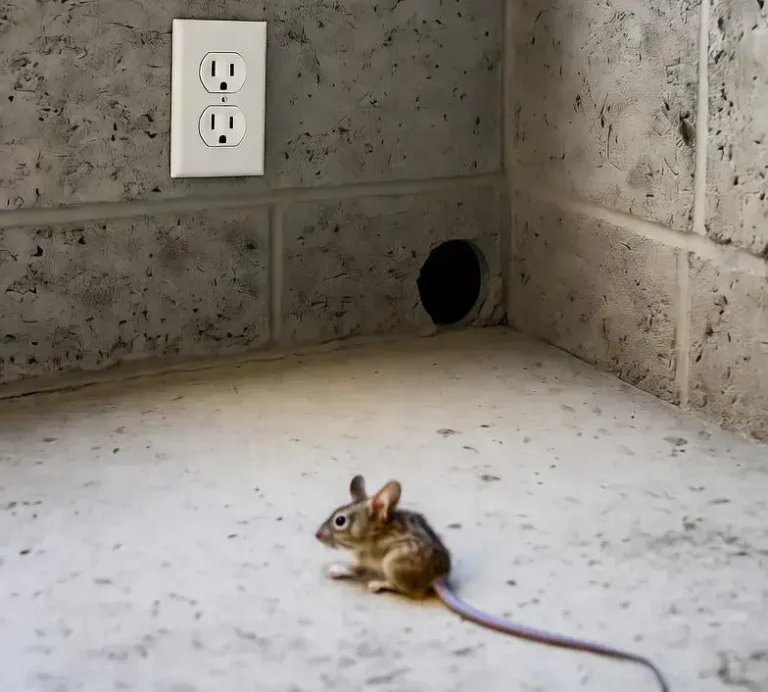
Signs You Have Mice in Your Detroit Basement (Most Homeowners Miss This)
If you have a basement in the Detroit area, there’s a good chance it could become a hiding place for mice. Basements provide everything mice need to survive, including shelter, warmth, and easy access to food and water. The problem is that many homeowners don’t realize they have mice until the infestation has grown.
The good news is that mice often leave behind small clues long before you actually see one running across the floor. Knowing what to look for can help you solve the problem before it becomes much bigger.
Why Mice Love Detroit Basements
Detroit homes often have unfinished basements, crawl spaces, utility rooms, and older foundations. Small cracks around the foundation, utility pipes, windows, or garage walls can be enough for mice to get inside.
Once they’re in, basements offer:
- Quiet places to nest
- Protection from weather
- Water from condensation or leaks
- Cardboard boxes and insulation for nesting material
- Easy access to the rest of the home
Even a tiny opening about the size of a dime can allow a mouse to squeeze inside.
1. Small Black Droppings
One of the first signs of mice is finding tiny black droppings.
Mouse droppings are usually:
- About the size of a grain of rice
- Dark brown or black
- Pointed on each end
- Found along walls or in corners
You may notice them near:
- Water heaters
- Furnaces
- Storage boxes
- Basement shelves
- Laundry rooms
- Under staircases
Fresh droppings are darker and softer. Older droppings become gray and dry.
2. Scratching Sounds at Night
Many homeowners hear noises but assume it’s the house settling.
Mice are most active after dark.
You may hear:
- Scratching behind walls
- Running across basement ceilings
- Chewing sounds
- Movement inside insulation
- Noises near ductwork
These sounds often happen shortly after sunset or before sunrise.
3. Chewed Cardboard Boxes
Basements usually become storage areas.
Mice love cardboard because it’s easy to chew and makes excellent nesting material.
Check your storage boxes for:
- Small holes
- Torn corners
- Shredded paper
- Bite marks
Holiday decorations, clothing boxes, and stored books are common targets.
4. A Strange Musty Odor
Mice leave behind urine and droppings.
As the infestation grows, you may notice a strong musty smell that seems to linger in one area.
Many homeowners think it’s simply a damp basement.
Instead, the odor could be coming from:
- Hidden nests
- Wall cavities
- Ceiling joists
- Storage rooms
If your basement smells worse even after cleaning, mice may be the cause.
5. Tiny Grease Marks Along Walls
Mice usually travel the same paths every night.
As they squeeze against walls, they leave behind oily marks from their fur.
Look for:
- Dark streaks
- Smudges
- Dirty-looking lines
- Rub marks near pipes
These trails often appear along foundation walls.
6. Small Holes Around Pipes
Basements have numerous utility openings where pipes and wires enter the home.
These are common entry points.
Inspect around:
- Water lines
- Gas pipes
- Dryer vents
- Electrical conduit
- HVAC lines
If you find gaps, mice may already be using them.
7. Nesting Material
Mice build nests from almost anything soft.
You may discover piles of:
- Shredded paper
- Insulation
- Dryer lint
- Fabric
- Pet hair
- Leaves
Nests are commonly hidden behind appliances or inside storage areas.
8. Food Packages With Bite Marks
Even if you don’t store food in the basement, mice may chew:
- Pet food bags
- Bird seed
- Grass seed
- Snacks
- Emergency food supplies
Plastic containers are better than paper or cardboard for long-term storage.
9. Mouse Tracks
Dusty basement floors can reveal mouse activity.
Look for:
- Tiny footprints
- Tail marks
- Small trails through dust
If you sprinkle a little flour near a suspected area overnight, you may find fresh tracks in the morning.
10. You Actually See One Mouse
Many people think seeing one mouse isn’t a big deal.
Unfortunately, one mouse often means there are several more hiding nearby.
Mice reproduce quickly.
A small problem can become a much larger infestation in just a few weeks if it’s ignored.

Common Places Mice Hide
Mice prefer quiet, hidden areas.
Popular hiding spots include:
- Behind water heaters
- Near furnaces
- Basement ceilings
- Insulation
- Utility rooms
- Under stairs
- Behind stored furniture
- Inside wall cavities
Because these locations aren’t visited often, mice can remain unnoticed for months.
Why DIY Solutions Sometimes Fail
Traps can catch individual mice, but they don’t always solve the root problem.
If entry points remain open, new mice can continue entering your home.
Many homeowners place traps without:
- Finding the nest
- Sealing entry holes
- Removing attractants
- Identifying all activity areas
That’s why infestations sometimes return again and again.
How to Help Prevent Mice
A few simple maintenance steps can make your basement less inviting.
Consider:
- Sealing foundation cracks
- Closing gaps around pipes
- Keeping storage off the floor
- Using plastic storage bins
- Cleaning crumbs regularly
- Repairing plumbing leaks
- Trimming vegetation near the foundation
- Keeping garage doors closed when possible
These steps reduce the chances of mice moving in.
Don’t Ignore the Early Warning Signs
The earlier you catch a mouse problem, the easier it usually is to control.
Waiting until you see multiple mice often means they’ve already established nests inside the home.
If you’ve noticed droppings, scratching sounds, chew marks, or strange odors in your basement, it’s worth having the problem inspected before it gets worse.
Professional pest control can identify entry points, locate nesting areas, and recommend the best treatment plan for your home.
Need Help With Mice in Your Detroit Basement?
If you think mice have moved into your basement, don’t wait until the infestation grows. Professional pest control can inspect your home, locate entry points, and help eliminate the problem before it spreads.
Need Mouse Control in the Detroit Area?
If you’ve noticed scratching noises, droppings, chew marks, or other signs of mice in your basement, professional help can stop the problem before it gets worse.
Call now: 313-422-7926
Or fill out the form below to request a free estimate for professional mouse removal and pest control services.
Similar Posts
Best Way To Get Rid Of Ants in Apartments High Impact Tips – Low Cost For Detroit Renters
And some of the most common past apartment complexes across Detroit. Whether you live in Midtown, Court town or anywhere in the greater Detroit area, you’ve probably dealt with these tiny invaders. The good news? You don’t have to spend a fortune or break the lease agreement to get rid of them. In this post,…
Rodent Infestation Early Warning Signs in Your Home
Rodents are sneaky, destructive, and fast breeders. By the time most homeowners notice them, the problem has already grown out of control. A rodent infestation doesn’t just damage property—it also puts your family’s health at risk. Catching the early warning signs of a rodent infestation is critical. The sooner you act, the easier and more…
Why Do Wasps Keep Coming Back Every Summer?
Every year, as temperatures rise, homeowners notice those familiar yellow-and-black visitors buzzing around eaves, decks, and gardens. If you’ve asked yourself, “Why do wasps keep coming back every summer?” you’re not alone. These insects can quickly turn a relaxing backyard into a stressful zone. The good news is that understanding their habits makes prevention much…
How To Identify Signs of Termite Infestation in Your Home
termites are often known or referred to as a silent destroyer because of their significant damage that they can cause to the home without even realizing it. These tiny insects are experts in chewing through wood, drywall and other materials in your home potentially causing thousands of dollars in repair if left on check. Early…
Rodent Control in Novi, Michigan: How to Protect Your Home
Rodent infestations are one of the most common problems homeowners face in Novi. Mice, rats, and other rodents can invade homes, contaminate food, damage property, and spread disease. Even a small infestation can quickly grow if not addressed promptly. This guide covers everything you need to know about identifying, preventing, and eliminating rodents in Novi,…
How a Handyman Can Help You Locate Where Mice Are Getting Into Your Basement in Livonia, MI
If you’ve started hearing scratching sounds in your walls, finding droppings in the basement, or noticing chewed wires or insulation, chances are you’ve got uninvited guests — mice. And if you live in Livonia, Michigan, you’re not alone. As temperatures drop in the fall and winter, rodents across Michigan look for warmth, food, and shelter…