
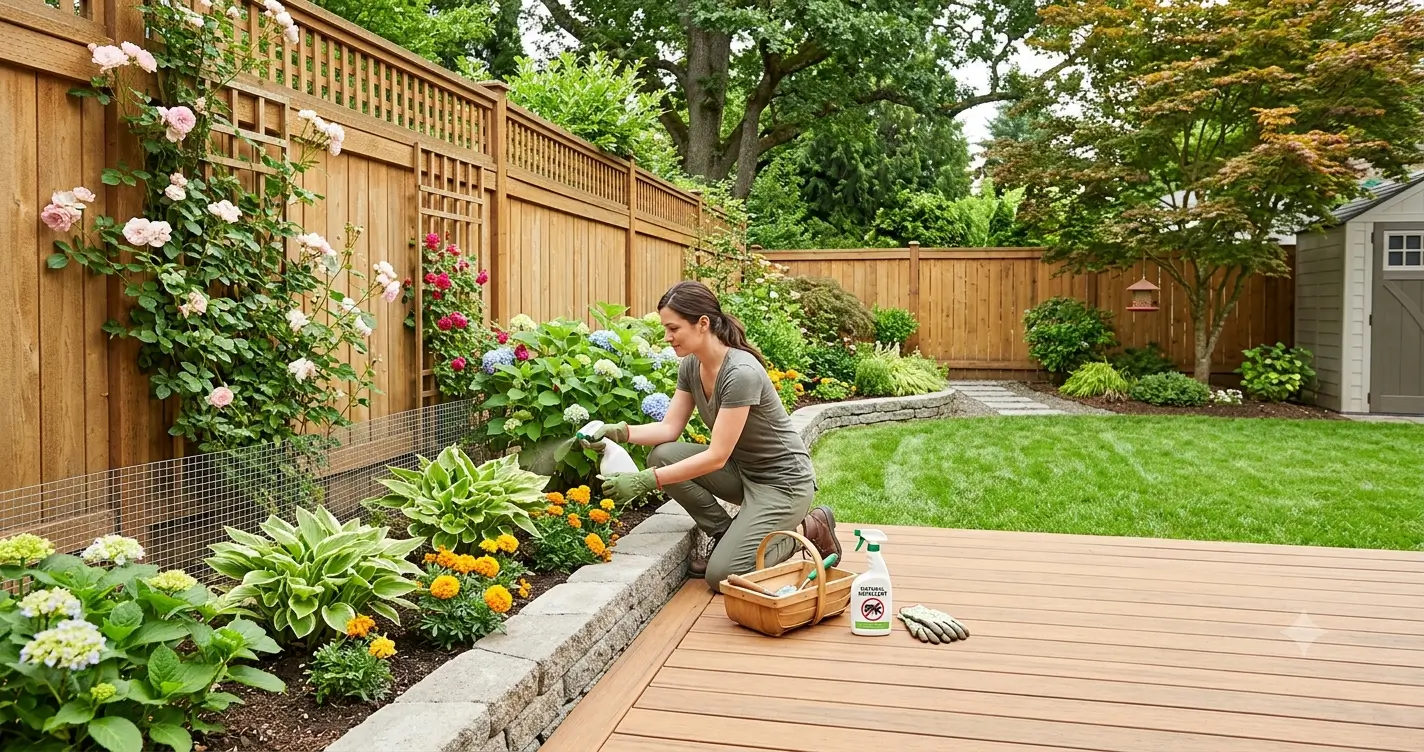
6 Different Ways to Stop Animals From Breeding in Your Backyard for the Summer
Summer is a great time to enjoy your backyard.
You can host cookouts, let the kids play outside, swim in the pool, and relax on the patio.
Unfortunately, summer is also breeding season for many animals.
If your yard provides food, water, shelter, and safety, it can become an attractive place for wildlife to raise their young.
While most animals are simply trying to survive, they can create problems for homeowners.
Animal droppings, damaged landscaping, torn insulation, fleas, ticks, unpleasant odors, and noise can quickly turn your backyard into a headache.
The good news is that there are steps you can take to make your property less appealing to unwanted visitors.
Here are six effective ways to help stop animals from breeding in your backyard this summer.
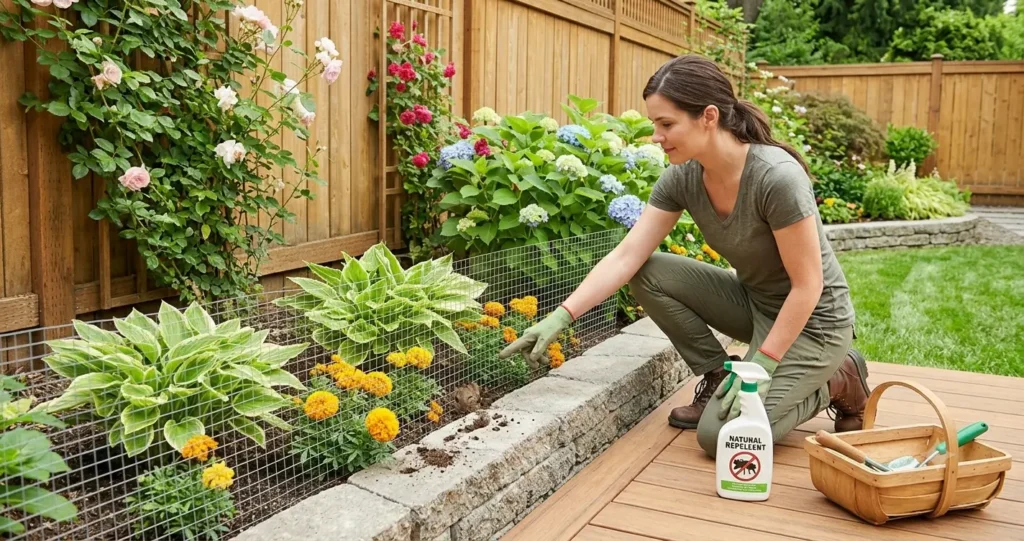
1. Eliminate Food Sources
Animals go where food is easy to find.
If your backyard provides a steady meal, they have a reason to stay.
Once they settle in, some may decide it is the perfect place to build nests or raise their young.
Start by securing your garbage cans.
Use tight-fitting lids that cannot easily be knocked over.
Clean up fallen fruit from trees.
Avoid leaving pet food outside overnight.
Bird feeders can also attract more than just birds.
Squirrels, raccoons, mice, and other wildlife often take advantage of spilled seed.
If wildlife activity is increasing around your home, consider temporarily removing feeders during the summer months.
Reducing food sources is one of the simplest ways to encourage animals to move elsewhere.
2. Remove Standing Water
Water is essential for wildlife.
Even small amounts of standing water can attract animals and insects.
Mosquitoes are especially known for breeding in stagnant water.
However, larger animals may also use water sources as gathering spots.
Walk around your yard regularly and look for anything collecting water.
Common problem areas include:
- Buckets
- Children’s toys
- Bird baths
- Plant saucers
- Old tires
- Clogged gutters
- Tarps
- Low spots in the lawn
Empty and clean these areas often.
If you have decorative ponds, fountains, or water features, keep water circulating.
Removing water sources makes your yard less inviting.
3. Trim Trees and Overgrown Landscaping
Dense vegetation creates excellent hiding places.
Animals prefer areas where they can stay hidden from predators and human activity.
Overgrown shrubs can become nesting sites.
Tall grass may shelter rodents.
Tree branches hanging over your roof can provide access to attics and crawl spaces.
Keep your lawn mowed regularly.
Trim bushes and hedges.
Prune tree limbs away from your home whenever possible.
Remove brush piles and yard debris.
A well-maintained yard offers fewer opportunities for animals to settle in comfortably.
It also allows you to spot signs of activity sooner.
4. Seal Entry Points Around Your Property
Many animals don’t stop at your backyard.
They eventually move into sheds, garages, crawl spaces, and attics.
Summer is often when young animals are born, making secure shelter even more important.
Inspect your property carefully.
Look for gaps, cracks, and openings around structures.
Pay attention to:
- Foundation vents
- Rooflines
- Chimneys
- Soffits
- Utility openings
- Garage doors
- Shed doors
- Crawl space entrances
Repair damaged screens.
Install vent covers when appropriate.
Seal openings that could allow wildlife access.
Preventing entry is often easier than removing animals after they move in.
5. Use Motion-Activated Deterrents
Animals prefer environments that feel safe.
Unexpected disturbances can make them think twice about sticking around.
Motion-activated devices can help.
Examples include:
Motion-activated sprinklers.
Motion-activated lights.
Noise deterrent devices.
Some homeowners also use visual deterrents, such as reflective materials or predator decoys.
Results vary depending on the species involved.
Animals can sometimes adapt to deterrents over time.
Using multiple strategies together often produces better results.
The goal is to make your yard less predictable and less comfortable.
6. Address Problems Early
One of the biggest mistakes homeowners make is waiting too long.
A single rabbit in the yard may not seem concerning.
Neither does an occasional squirrel.
But breeding season changes things quickly.
Small problems can become larger ones in a short period of time.
A pair of animals may soon become a family.
The sooner you recognize signs of activity, the easier it may be to manage the situation.
Watch for warning signs such as:
- Droppings
- Digging near structures
- Chewed materials
- Nesting materials
- Strange odors
- Unusual noises
- Damaged landscaping
- Increased animal sightings
Taking action early can save time, money, and frustration.
Why Prevention Matters
Many homeowners focus only on removal.
However, prevention is often the most effective strategy.
Once animals establish nesting areas, the situation can become more complicated.
Certain species may be protected by local, state, or federal regulations.
Removal efforts may require special considerations depending on the animal involved.
Prevention helps reduce the chances of reaching that point.
It also protects your property from unnecessary damage.
Common Summer Backyard Visitors
The animals you encounter often depend on where you live.
Some of the most common backyard visitors include:
- Raccoons
- Squirrels
- Rabbits
- Skunks
- Opossums
- Mice
- Rats
- Chipmunks
- Birds
- Ducks
- Groundhogs
Most of these animals are simply looking for food, water, and shelter.
If your property offers all three, they may decide to stay.
Should You Handle Wildlife Problems Yourself?
Minor prevention efforts are often manageable for homeowners.
Cleaning up food sources and maintaining landscaping can go a long way.
However, persistent wildlife activity may require professional guidance.
Animals that have already nested on your property can present additional challenges.
Some situations involve health concerns, property damage, or legal considerations related to protected species.
Seeking professional advice can help you determine the safest and most effective course of action.
Enjoy Your Backyard This Summer
Your backyard should be a place to relax.
It should not become a breeding ground for unwanted animals.
Fortunately, a few simple habits can make a big difference.
Eliminate food sources.
Remove standing water.
Maintain your landscaping.
Seal entry points.
Use deterrents.
Address concerns before they grow into larger problems.
By staying proactive, you can enjoy summer activities with fewer interruptions from nuisance wildlife.
Don’t Share Your Backyard This Summer
You don’t have to share your backyard with animals raising families all summer long.
Creating an environment that is less attractive to wildlife can significantly reduce unwanted activity.
Consistency is key.
A little effort throughout the season can help keep your outdoor spaces cleaner, safer, and more enjoyable.
Whether you’re hosting a barbecue, swimming with the kids, or simply enjoying a quiet evening outside, taking preventive steps now can help you make the most of your summer.
Are Unwanted Animals Taking Over Your Backyard This Summer?
Don’t wait until a small wildlife problem turns into a bigger headache. Find out what options may be available to help keep your yard cleaner, safer, and more enjoyable for your family.
Ready to reclaim your backyard?
Call 313-422-7926 TodayAsk how you can help discourage nuisance animals from making themselves at home on your property this summer.


