How to Keep Mosquitoes Out of Your Backyard: A Homeowner’s Complete Prevention Guide
There’s nothing quite like stepping outside on a warm evening only to be swarmed by mosquitoes within thirty seconds. For Detroit-area homeowners, this isn’t just an occasional nuisance — it’s practically a summer ritual. Between the humidity, the nearby rivers and lakes, and all the small pockets of standing water hiding in gutters, birdbaths, and flowerpots, our backyards can become prime mosquito breeding grounds without us ever realizing it.
The good news? Most mosquito problems are entirely preventable once you understand how these pests actually operate. This guide walks through practical, homeowner-friendly strategies to reclaim your yard, patio, and deck so you can actually enjoy the outdoors again.
Why Your Backyard Might Be a Mosquito Magnet
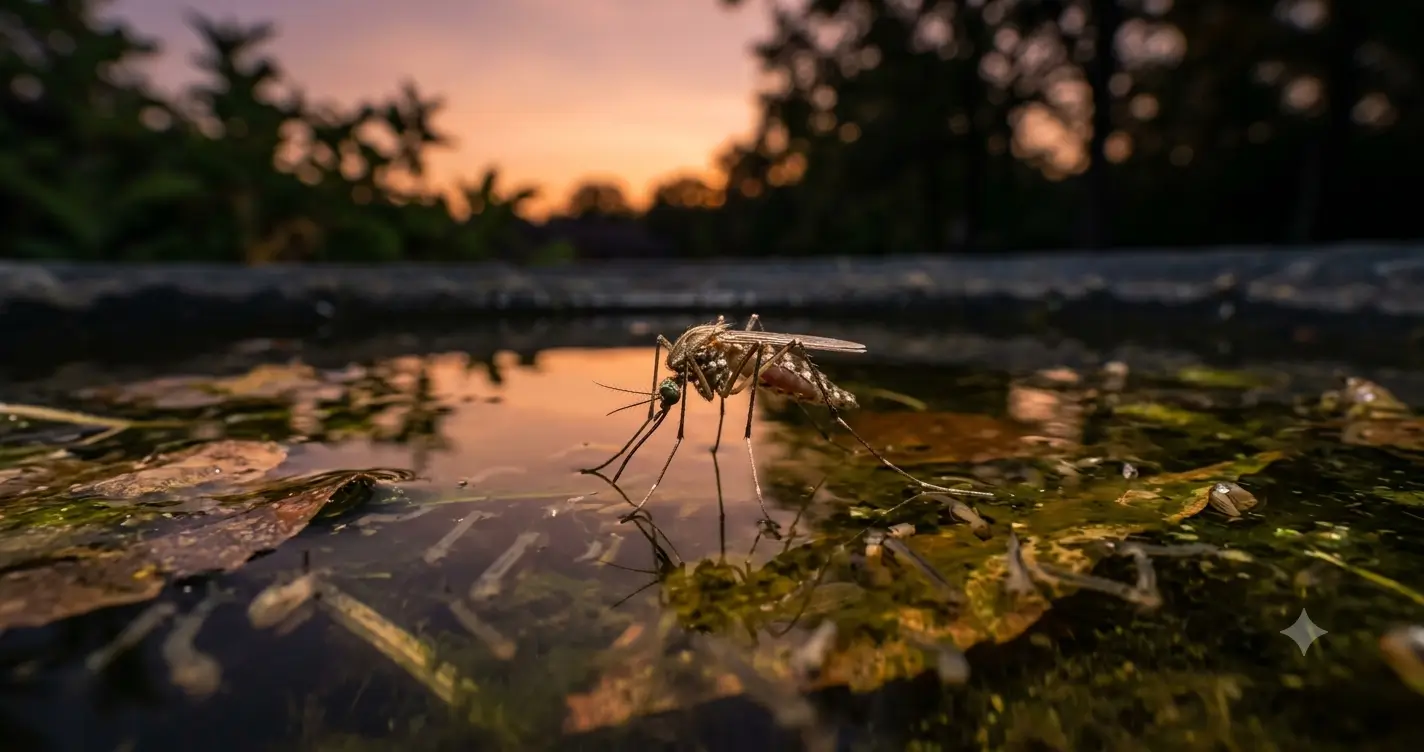
Mosquitoes don’t need much to thrive — just a small amount of stagnant water, some shade, and warm temperatures. A single bottle cap of water left sitting for a week can become a breeding site. Female mosquitoes lay eggs directly on or near standing water, and those eggs can hatch into biting adults in as little as seven to ten days.
That means the mosquitoes bothering you tonight were likely born somewhere within your own property line — not blown in from miles away. This is actually good news, because it puts most of the solution within your control.
Step 1: Eliminate Standing Water
This is, by far, the single most effective thing you can do. Walk your property every few days during mosquito season and look for anything that could be holding water, including:
- Clogged or sagging gutters
- Flowerpot saucers and trays
- Children’s toys, buckets, and wading pools
- Tarps or pool covers with pooled water
- Birdbaths that aren’t refreshed regularly
- Low spots in the yard where rainwater collects
- Old tires, wheelbarrows, or unused containers
Dump, drain, or cover anything you find. For items you can’t easily empty, like rain barrels, use a tight-fitting mesh screen to keep mosquitoes from laying eggs inside while still allowing water collection.
Gutters deserve special attention here. A gutter system that’s clogged with leaves and debris doesn’t just risk water damage to your home — it also creates the perfect elevated, shaded breeding pool that’s easy to overlook. If your gutters haven’t been cleaned in a while, or if they’re pitched incorrectly and holding water even when clear, it’s worth having a professional take a look. The team at HandymanDetroit.com regularly handles gutter cleaning, repair, and re-pitching for homeowners across the Detroit area, which can eliminate one of the most common hidden mosquito sources on a property.
Step 2: Manage Your Landscaping
Mosquitoes are weak fliers and rest in cool, shaded, humid areas during the heat of the day. Overgrown grass, dense shrubs, and thick ground cover give them exactly what they’re looking for.
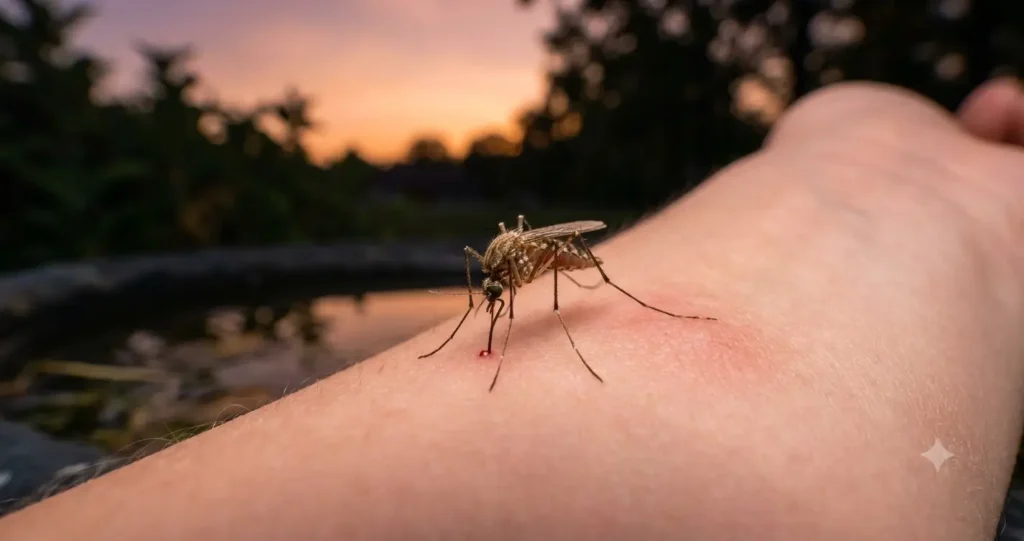
A few landscaping habits that make a real difference:
- Mow regularly. Keep grass at a moderate height rather than letting it grow tall and shaded at the base.
- Trim shrubs and bushes so air and sunlight can reach the ground beneath them.
- Thin out dense plantings near patios, decks, and entryways where you spend the most time.
- Rake up leaf litter and yard debris, which holds moisture and shelters resting mosquitoes.
If your yard has a wooded edge or a naturally damp, low-lying section, consider creating a buffer zone of trimmed grass between that area and your main living space to reduce the number of mosquitoes migrating toward your patio.
Step 3: Use Mosquito-Repelling Plants Strategically
While no plant will single-handedly clear a yard of mosquitoes, certain plants do contain natural compounds that mosquitoes tend to avoid. Placing them near seating areas, doorways, and windows can provide a modest layer of deterrence, especially combined with other methods:
- Citronella grass
- Lavender
- Marigolds
- Lemongrass
- Rosemary
- Basil
Group these in planters near your patio furniture or grill area for the best effect, and crush a few leaves occasionally to release more of their natural oils into the air.
Step 4: Bring in Physical and Mechanical Controls
Beyond prevention, there are several tools that actively reduce mosquito populations:
Mosquito dunks are small, donut-shaped tablets containing a naturally occurring bacteria (Bti) that kills mosquito larvae without harming pets, birds, fish, or beneficial insects. Drop one into any water feature, rain barrel, or drainage area that can’t be emptied.
Fans on your patio or deck are surprisingly effective. Mosquitoes are weak fliers, and even a moderate breeze from an outdoor fan can keep them from landing on you or settling in your seating area.
Mosquito traps use light, heat, or carbon dioxide to lure and capture mosquitoes, gradually reducing the local population over a season. These work best when used consistently rather than occasionally.
Bug zappers, while popular, are actually less effective against mosquitoes specifically — they tend to attract and kill far more beneficial insects than mosquitoes. If reducing mosquitoes is your main goal, a CO2 or light-based trap is generally a better investment. You might need mosquito spray for your yard.
Step 5: Consider Structural Upgrades
Sometimes the most effective long-term solution isn’t a spray or a trap — it’s a physical barrier. Screened-in porches, gazebos with mosquito netting, and properly sealed window and door screens can transform a mosquito-plagued yard into a genuinely usable outdoor living space.
If your existing screens have tears, gaps, or a frame that no longer seals properly, mosquitoes will find their way through even the smallest openings. Similarly, gaps around outdoor light fixtures, deck boards, or foundation vents can create additional entry points into covered spaces. A qualified handyman can inspect these areas, repair or replace damaged screening, and seal up small gaps that are otherwise easy to miss but make a big difference in keeping bugs out of covered patios and porches.
Step 6: Time Your Outdoor Activities
Mosquitoes are most active during dawn and dusk. If you’re hosting a backyard gathering, planning activities for mid-morning or mid-afternoon — when mosquitoes are least active — can meaningfully cut down on bites, even without additional prevention measures.
Building a Seasonal Mosquito Prevention Routine
Consistency matters more than any single product or trick. Homeowners who stay ahead of mosquito season typically follow a simple routine:
- Inspect and clear standing water weekly
- Clean gutters at the start of the season and again mid-summer
- Mow and trim landscaping on a regular schedule
- Replace mosquito dunks in water features as directed
- Check window and door screens for damage each spring
- Repair any structural gaps before mosquito season peaks
Treat mosquito prevention the same way you’d treat routine home maintenance — a little consistent effort throughout the season prevents a much bigger headache later.
Take Back Your Backyard This Season
A mosquito-free backyard isn’t about luck — it’s about identifying and fixing the small issues that are quietly inviting them in, from clogged gutters to torn screens and standing water you might not even notice. Once those problems are addressed, the rest of your prevention routine becomes far more effective.
Don’t Let Clogged Gutters or Damaged Screens Invite Mosquitoes In
Gutter cleaning, screen repair, and small structural fixes go a long way toward a mosquito-free backyard — and our team handles it all. Call Handyman Detroit today and let us help you take back your outdoor space.
📞 Call Now: (313) 422-7926