Top Signs Your Downspouts Are Clogged – Michigan Homeowner Guide
Living in Michigan means dealing with a wide array of weather conditions that can test the resilience of your home. From heavy spring rains and summer thunderstorms to autumn leaves and brutal winter snowfalls, effective water management is crucial for maintaining your property’s integrity. While many homeowners focus on their gutters, downspouts—the vertical pipes that carry water from the gutters to the ground—are frequently neglected. These essential components play a vital role in channeling rainwater and snowmelt away from your home’s foundation, safeguarding against erosion, basement flooding, and even ice dams that are all too common in our state’s harsh winters. A clogged downspout in Michigan can turn a minor issue into a major headache, leading to structural damage and expensive repairs.
In this comprehensive guide, we’ll delve into the top signs that indicate your downspouts are clogged, explore why proper drainage is indispensable for your home’s safety and long-term value, and offer practical, step-by-step advice for prevention and resolution. Whether you’re a new homeowner in the suburbs or a seasoned resident in urban areas, understanding these elements can save you time, money, and stress. For those seeking expert help, consider affordable gutter cleaning in Detroit Michigan, which provides reliable services tailored to our local climate.
Why Downspouts Matter More Than You Think
At first glance, downspouts might seem like simple extensions of your gutter system, but they are far more critical and you want to make sure your downspouts are fine. Gutters collect water from your roof, but it’s the downspouts that ensure this water is efficiently diverted away from your home’s base. In Michigan, where annual precipitation averages around 32 inches and snowfall can exceed 40 inches in some regions, ignoring downspouts can lead to disastrous consequences. Let’s break down why they are indispensable:
- Effective Water Diversion: Functioning downspouts guide water at least 5-10 feet away from your foundation, preventing it from pooling and seeping into vulnerable areas. Without this, water can accumulate, creating ideal conditions for structural weakening.
- Foundation Protection: Excess moisture erodes the soil beneath your foundation, leading to cracks, shifts, or even settling. In Michigan’s clay-rich soils, this erosion is exacerbated, potentially costing homeowners upwards of $5,000 to $10,000 in repairs, according to local foundation experts.
- Landscape Preservation: Overflow from clogged downspouts can wash away topsoil, mulch, and plants, disrupting your yard’s ecosystem. This not only affects aesthetics but also increases the risk of soil instability around walkways and patios.
- Ice Dam Prevention: During Michigan winters, blocked downspouts trap water that freezes, contributing to ice dams along roof edges. These dams force melting snow under shingles, causing interior leaks, mold growth, and compromised insulation—issues that plague many homes in areas like Grand Rapids or Lansing.
- Enhancing Home Longevity: Clear downspouts reduce pressure on exterior elements like siding, doors, and windows. By minimizing exposure to constant moisture, you extend the lifespan of these materials, preserving your home’s curb appeal and market value in a competitive real estate market.
Even subtle blockages, such as those caused by a few stray leaves, can accumulate over time, turning into full obstructions. Regular inspections—ideally every six months—are non-negotiable for Michigan homeowners, where seasonal changes amplify these risks.

Identifying the Top Signs of Clogged Downspouts
Spotting a clogged downspout early can prevent minor annoyances from escalating into emergencies. Here are the most common indicators, explained in detail with real-world examples relevant to Michigan living:
- Water Overflowing From Gutters: During a moderate rain, if water spills over the gutter edges instead of flowing down, it’s a red flag. This often stems from debris like pine needles or maple leaves—abundant in Michigan’s wooded neighborhoods—blocking the downspout entrance. In heavier storms, this overflow can cascade like a waterfall, soaking walls and promoting rot.
- Pooling Water Around the Foundation: Notice persistent puddles or soggy spots near your home’s base after rainfall? This suggests the downspout isn’t discharging water properly, allowing it to seep back toward the foundation. In Michigan’s humid summers, this can lead to basement humidity levels spiking, fostering mold and mildew that require professional remediation.
- Soggy Landscaping or Soil Erosion: Clogged downspouts create impromptu streams that erode soil, uproot plants, and carve ruts in your yard. For instance, in areas with heavy clay soil like those in Southeast Michigan, this erosion can expose tree roots or destabilize retaining walls, heightening flood risks during spring thaws.
- Gurgling or Sloshing Sounds: As rain falls, listen for unusual noises from your downspouts—sounds like bubbling or splashing indicate trapped air and water fighting through partial blockages. This is particularly noticeable in older homes with aluminum downspouts, where corrosion might compound the issue.
- Detached or Damaged Downspouts: Built-up pressure from clogs can dislodge brackets, bend pipes, or cause seams to split. Inspect for visible dents, rust, or misalignment, especially after high winds or heavy snow loads common in Michigan’s lake-effect zones.
- Ice Build-Up in Winter: Frozen clogs are a winter staple here; downspouts filled with ice prevent melt water from escaping, leading to backups that form dangerous ice dams. This can result in water infiltrating attics, damaging ceilings and insulation—a scenario all too familiar in snowy cities like Traverse City.
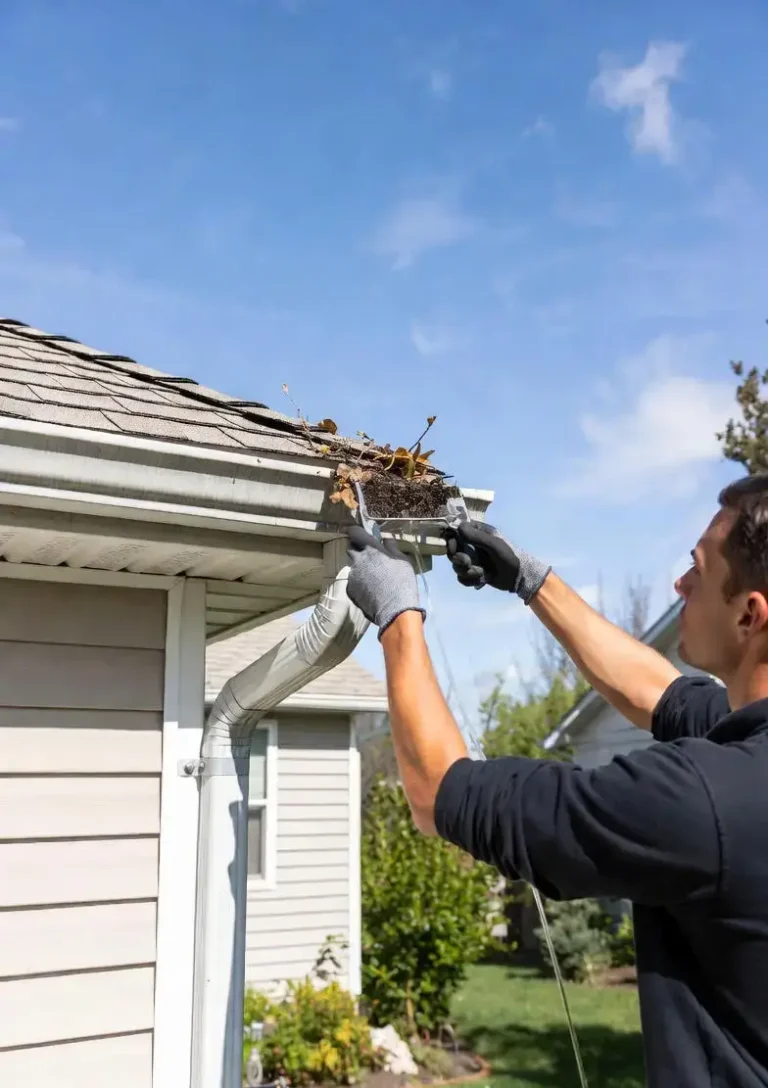
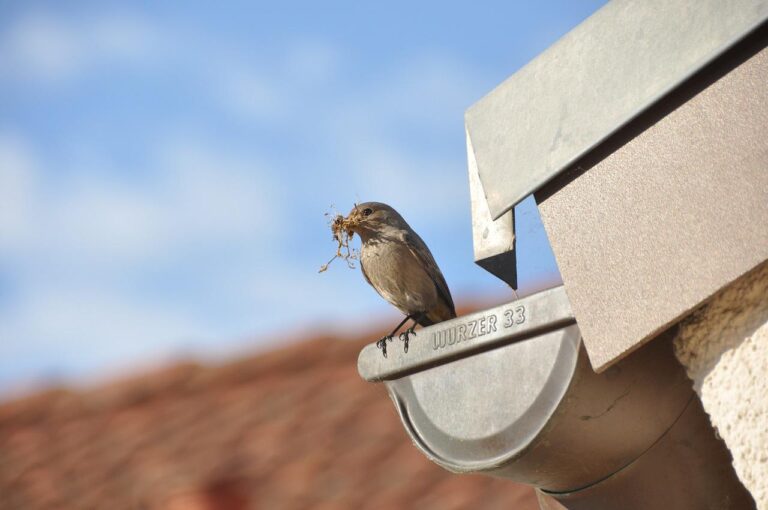
- Visible Debris at the Outlet: Simply peer into the bottom of the downspout; if you see accumulated leaves, twigs, or even small animal nests, it’s a direct sign of obstruction. Birds and squirrels, prevalent in Michigan’s natural landscapes, often contribute to these blockages.
By recognizing these signs promptly, you can intervene before damage spreads. This is one of the best ways to see if downspouts are clogged before the weather changes.
DIY Downspout Maintenance Tips for Hands-On Homeowners
Many clogs are manageable with basic DIY efforts, empowering you to maintain your system without immediate professional intervention. Start with safety: Wear gloves and eye protection, and avoid working in wet conditions.
- Regular Inspections: Examine downspouts biannually, or more frequently near overhanging trees. Climb a sturdy ladder to check connections and remove loose debris by hand.
- Flushing with a Hose: Insert a garden hose into the top of the downspout and run water at full pressure to dislodge blockages. Begin at low pressure to avoid splashing, then increase to push out stubborn material.
- Removing Visible Blockages: Use a trowel, wire hanger, or small plumbing snake to gently probe and extract debris from the outlet. For elbow joints, disassemble if possible for thorough cleaning.
- Checking for Leaks and Loose Brackets: Tighten screws on brackets and seal minor leaks with waterproof caulk. This prevents vibrations from wind or water flow from worsening issues.
These steps can handle 70-80% of common clogs, but persistence might signal deeper problems of downspouts are clogged.
When to Call in the Detroit Professionals
Not all issues are DIY-friendly. For multi-story homes, steep roofs, or complex systems, professionals ensure safety and efficacy. Signs to seek help include severe blockages unresponsive to flushing, recurring clogs, or visible structural damage. Licensed gutter specialists can use high-pressure tools, cameras for internal inspections, and install guards to prevent future issues. In Detroit, where urban density adds challenges like limited access, opting for affordable gutter cleaning services is a smart move for peace of mind.
Seasonal Maintenance Tailored to Michigan’s Climate
Michigan’s four distinct seasons demand adaptive maintenance:
- Spring: After winter’s toll, clear ice remnants and test flow with a hose. Ensure extensions direct water away, preventing foundation saturation from melting snow.
- Summer: Prune branches to minimize debris; post-storm checks for wind damage are essential, as thunderstorms can dislodge components.
- Fall: Rake leaves proactively and install mesh screens; this prep averts winter woes from frozen foliage.
- Winter: Monitor for ice; use safe de-icing methods like heated cables, and clear snow from outlets to maintain drainage.
This cyclical approach aligns with our variable weather, reducing repair needs if downspouts are clogged.
The Serious Risks of Neglecting Downspouts
Procrastination can be costly:
- Foundation Damage: Standing water causes cracks and shifts, with repair bills often exceeding $8,000 in Michigan due to labor and material costs.
- Basement Flooding: Intrusion ruins belongings and necessitates mold cleanup, averaging $3,000-$5,000.
- Roof and Siding Damage: Constant overflow accelerates wear, leading to replacements costing thousands.
- Landscaping Issues: Erosion destroys investments in gardens, requiring regrading or replanting.
Investing in maintenance averts these pitfalls if your downspouts are clogged.
Inspecting Downspouts Safely and Effectively
Prioritize safety: Use ladders with stabilizers on flat ground, or extension poles for reach. Observe during rain to trace flow paths, and disassemble elbows for debris checks. For two-story homes, partner with someone for spotting.
Essential DIY Tools for Downspout Care
Equip yourself with:
- A high-pressure garden hose for flushing.
- A flexible plumbing snake for deep clogs.
- Protective gear like gloves and glasses.
For advanced tasks, consider a wet/dry vacuum. However, if unsure, defer to pros.
By staying vigilant, Michigan homeowners can protect their properties from water-related woes, ensuring durability through every season.
Need Help with Downspouts or Gutters?
Skip the hassle and let a professional handyman ensure your downspouts are clear and working efficiently.
Call Now: 313-367-1116