Broken Garage Door Spring: Signs Your Spring Is About to Snap
Garage doors are one of those things you don’t think about until they suddenly stop working—or worse, break. One of the most common failures homeowners face is a broken garage door spring. These springs do the heavy lifting every day, literally, and when they fail, your door can become unusable or even dangerous. The good news? Most spring failures give warning signs. Recognizing them early can save you from a costly repair and keep your garage safe.
You might not think that a handyman in the Detroit area can be your first call for broken garage door springs but the call can be helpful and cheaper that a big chain coming out for the repair.
Why Garage Door Springs Fail
Garage door springs are under constant tension and wear out over time. Every time you open and close your door, the springs compress and expand, which eventually leads to metal fatigue. Some common reasons springs break include:
- Age and wear: Most springs last between 10,000–20,000 cycles (roughly 7–10 years for the average homeowner).
- Lack of maintenance: Springs need periodic lubrication and inspection. Rust and dirt accelerate wear.
- Extreme temperatures: Cold weather can make springs brittle, increasing the chance of snapping.
- Improper door balance: Doors that are off-track or misaligned put extra strain on springs.
Understanding these causes is important, but recognizing the warning signs is critical to preventing a full spring break.

Early Signs Your Garage Door Spring Is About to Snap
Most homeowners think a spring snaps without warning. That’s not true. If you know what to look for, you can call a professional before it becomes an emergency.
1. Loud Bangs or Popping Noises
If you hear a sudden, loud pop from your garage, that’s a red flag. Springs under tension can fail with a sharp “bang” sound. Even if it doesn’t fully snap, a partial break can make your door uneven and unsafe. Ignoring these noises often leads to a completely broken spring within days or weeks.
2. Door Feels Heavy or Hard to Lift
Garage door springs counterbalance the weight of your door. When a spring is weakened or partially broken, the door becomes noticeably heavier. You might feel resistance when using your opener or even when trying to lift the door manually. A heavy door isn’t just inconvenient—it’s dangerous. One slip can cause injury.
3. Uneven Door Movement
Pay attention to how your garage door moves. If it starts to rise unevenly, tilts to one side, or hesitates mid-lift, your spring could be losing tension. Uneven movement puts extra stress on the opener, cables, and tracks, which can create a chain reaction of damage if left unaddressed.
4. Visible Wear on Springs
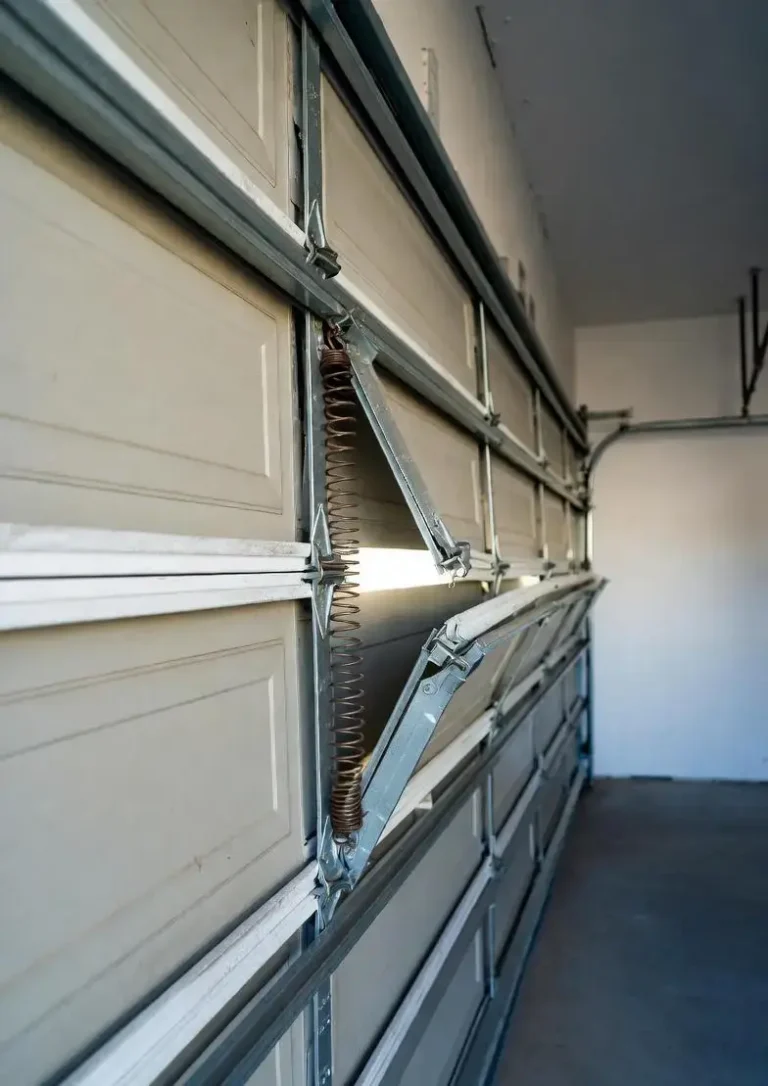
If you’re comfortable looking at your springs from a safe distance, you can check for visible gaps, rust, or worn coils. Springs that look stretched or corroded are at higher risk of snapping. Even small signs of wear indicate it’s time to schedule a professional inspection.
5. Frequent Opener Issues
A failing spring makes your garage door opener work harder. If your opener starts stopping mid-cycle, jerking, or making unusual noises, it could be compensating for a weak spring. Fixing the spring early reduces strain on the opener and prevents more expensive repairs.
Why You Shouldn’t Wait
Some homeowners put off spring replacement, thinking they can “squeeze a few more months” out of a failing spring. Here’s the reality:
- A fully broken spring can slam your door down in seconds, risking injury or property damage.
- Broken springs can ruin your opener, tracks, and cables, increasing repair costs.
- Attempting DIY fixes on high-tension springs is extremely dangerous and can cause serious injury.
The sooner you call a professional, the safer and more cost-effective it is. Replacing a spring proactively is far cheaper than repairing the damage from a snapped spring.
Preventive Maintenance Tips
You can’t prevent wear completely, but these tips extend spring life and help catch problems early:
- Regular inspections: Check springs for rust, gaps, or worn coils at least twice a year.
- Lubrication: Apply garage door lubricant to springs and moving parts to reduce friction.
- Balance tests: Disconnect the opener and lift the door manually. It should stay in place if balanced correctly.
- Keep the door tracks clear: Debris in tracks causes misalignment and extra spring tension.
Following these steps can prevent unexpected failures and keep your garage door running smoothly.
When to Call a Professional
Any of the signs above are reason enough to call a certified garage door technician. Professionals have the right tools, knowledge, and safety gear to handle high-tension springs without risking injury. Don’t wait until the door won’t open at all—early intervention saves money and keeps your home safe.
Don’t Overlook These With Your Garage Door
In addition to the obvious signs of a failing spring, there are a few more subtle issues that homeowners often overlook. For example, if your garage door starts making unusual grinding, creaking, or whining noises during normal operation, that can be a precursor to a spring problem. Sometimes, the noise is caused by a spring that’s losing tension, forcing the opener to work harder than usual. Paying attention to these auditory cues can give you a few extra weeks to schedule a repair instead of facing an emergency breakdown.
Another subtle sign is slower door operation. If your garage door used to open and close smoothly but now hesitates or lags, it’s a sign the spring isn’t providing enough counterbalance. Homeowners often assume the opener is aging or failing, but in most cases, it’s the spring that needs attention. Recognizing this early allows you to prevent additional strain on the opener, which can be expensive to replace if it burns out from overwork.
Monthly Testing of Your Garage Door
A practical tip that many homeowners miss is the monthly door balance test. Disconnect the opener and lift the door halfway. If it falls, rises on its own, or doesn’t stay in place, the spring is losing tension and should be replaced soon. Not only does this simple test help you catch problems early, but it also prevents dangerous situations like a door unexpectedly slamming down.
It’s also worth noting that garage door springs don’t fail in isolation. If one spring is worn or partially broken, the other spring is likely close behind. This is why a proactive inspection is so important. Many homeowners make the mistake of replacing only the broken spring, leaving the second spring vulnerable. Certified technicians often recommend replacing both at the same time to maintain even tension and avoid repeated repairs.
Seasonal Upkeep For Your Garage Door (Monthly)
Finally, consider the seasonal impact on spring longevity. In colder climates, like Michigan, metal contracts in freezing temperatures, which increases the risk of snapping. If you notice popping noises, heavy lifting, or jerky movement during winter months, treat it as urgent. Catching these issues before the spring fully fails not only keeps your garage door functioning but also protects your car, your property, and your family from potential accidents.
Know the Early Signs
Garage door springs may seem small, but they handle a lot of weight and stress. Knowing the early warning signs—a loud bang, heavy door, uneven lift, visible wear, or opener issues—can save you from a dangerous and expensive emergency. Don’t ignore these signals. A quick inspection and timely replacement can keep your garage door operating safely for years.