Replacing a Mailbox Post: What Homeowners Get Wrong (And How to Do It Right)
Replacing a mailbox post sounds like one of those “simple weekend projects.” And sometimes it is. But a lot of homeowners find out the hard way that it’s not just sticking a new post in the ground and calling it a day.
Mailbox posts deal with more abuse than people realize. Snowplows clip them. Wind rocks them. The ground freezes and shifts. Water rots them from the bottom up. And once a post starts leaning or cracking, it only gets worse.
Let’s walk through what actually goes into replacing a mailbox post in Michigan, when it makes sense to DIY, when it doesn’t, and how to make sure you don’t end up doing it twice.
Signs Your Mailbox Post Needs to Be Replaced
A mailbox post rarely fails all at once. It gives you warning signs.
Common ones:
- The mailbox is leaning
- The post wiggles when you touch it
- Cracks near ground level
- Visible rot at the base
- The box keeps getting knocked loose
- It’s been hit by a plow or vehicle
Once the post loses stability at the ground, repairs don’t last. Screws, braces, and quick fix usually buy time — not a solution.
Why Mailbox Posts Fail So Often
Most failures come down to two things: water and movement.
Wood posts rot because water sits at ground level. Even pressure-treated wood breaks down eventually, especially in areas with freeze-thaw cycles.
Metal posts fail when:
- They’re too thin
- The footing is too shallow
- The ground shifts
- They get hit repeatedly
In colder climates, frost heave is a big factor. The soil expands and contracts, slowly loosening the post every winter.
Choosing the Right Mailbox Post Material
This is where a lot of people go wrong.
Wood Posts
Pros:
- Traditional look
- Easy to work with
- Affordable
Cons:
- Prone to rot
- Shorter lifespan
- Needs proper sealing
If you go wood, pressure-treated lumber rated for ground contact is non-negotiable.
Metal Posts
Pros:
- Long-lasting
- Resistant to rot
- Stronger against impact
Cons:
- Can bend if hit
- Requires proper anchoring
- Not always HOA-friendly
Metal posts need deep, solid footings or they’ll still lean over time.
Composite or PVC Posts
Pros:
- No rot
- Low maintenance
- Clean appearance
Cons:
- Higher cost
- Needs internal support
- Can crack in extreme cold
These look great but must be installed correctly to avoid movement.
Depth Matters More Than You Think
One of the biggest mistakes homeowners make is digging a shallow hole.
A mailbox post should typically be set:
- At least 24–36 inches deep
- Below the frost line when possible
- In compacted soil or concrete
Shallow posts are the reason mailboxes lean after the first winter.
Want Concrete or No Concrete?
This is a big debate.
When Concrete Makes Sense
- Heavy mailboxes
- Windy areas
- Frost-prone soil
- Metal or composite posts
Concrete adds stability — but only if done right.
When Concrete Causes Problems
If you pour concrete incorrectly:
- Water gets trapped
- Wood rots faster
- Frost heave pushes the footing up
The key is drainage. Gravel at the bottom of the hole matters.
Removing the Old Mailbox Post
This is often harder than installing the new one.
Old posts are usually:
- Cemented in
- Rotted and snapping
- Frozen in place
People underestimate the effort and end up damaging the mailbox, bending brackets, or hurting their back trying to yank it out.
Sometimes cutting the post below grade and removing the footing is the smarter move.
Aligning the Mailbox Correctly
This sounds obvious — until it’s crooked.
Mailbox height and placement matter:
- USPS has height guidelines
- Distance from the curb matters
- The box must face traffic correctly
A crooked mailbox isn’t just ugly — it can cause delivery issues.
Snowplows, Cars, and Reality
If you live somewhere with winter plowing, your mailbox is a target.
A properly installed post:
- Has flexibility
- Is set deep
- Can absorb minor impacts
Rigid, shallow installs snap. Proper ones survive.
Some homeowners even use breakaway or flexible systems to reduce damage.
HOA and City Rules You Should Check
Before replacing a mailbox post, check:
- HOA design rules
- City placement requirements
- Shared mailbox guidelines
Installing the wrong style can mean tearing it out later.
DIY vs. Hiring It Out
DIY Makes Sense If:
- The ground is soft
- No concrete is involved
- You have proper tools
- You’re comfortable digging
Hiring Help Makes Sense If:
- The post is cemented
- The ground is frozen
- You want it perfectly aligned
- You don’t want to redo it next year
This is one of those jobs that look easy until you’re halfway in.
How Long a Proper Mailbox Post Should Last
When installed correctly:
- Wood posts: 8–12 years
- Metal posts: 15–25 years
- Composite posts: 20+ years
Most early failures come from poor installation, not bad materials.
Common Mistakes That Cause Repeat Replacements
- Shallow holes
- No gravel base
- Poor alignment
- Reusing old hardware
- Ignoring drainage
Fix it once, or fix it every few years.
Dealing With Snow and Winter Damage
If you live in Michigan, your mailbox doesn’t just face sunlight and rain — it faces snow, ice, and plows. People don’t realize how much abuse a mailbox post takes over the winter. Snowplows push up snow piles that slam into posts, and repeated freeze-thaw cycles loosen the footing over time.
One of the most common mistakes is installing the post shallowly and hoping it survives winter. Even a brand-new wood post will start leaning after a heavy snow or ice buildup if it’s not set deep enough or reinforced. That’s why depth matters — and why a little prep now prevents replacing it again next season.
If you’re old post got knocked over, don’t just throw the new post in the same hole and call it a day. Remove any leftover concrete or compacted soil first. Otherwise, the new post has nothing solid to hold onto. A post sitting in loose soil is going to lean within months, not years.
Anchoring Your Mailbox Post Correctly
Beyond depth, the way you anchor the post makes all the difference. You can either:
- Set it in concrete — gravel at the bottom for drainage, concrete poured around the post, and leveled perfectly. This works great for heavier metal or composite posts and keeps the mailbox from tipping.
- Gravel-only footings — if you want flexibility and slightly easier removal later, compacted gravel at the bottom works. It’s less permanent, but it does need a deep hole and tightly packed gravel to prevent movement.
Either method needs leveling. A mailbox that’s crooked looks sloppy and makes deliveries harder. Use a simple level while pouring concrete or tamping gravel. Double-check the height — USPS recommends roughly 41–45 inches from the road surface to the bottom of the mailbox.
Extra Tips to Keep Your Mailbox Post Standing
- Inspect your mailbox post every spring. Check for rot, leaning, or loose screws. Fixing small problems now saves headaches later.
- Use durable materials. Pressure-treated wood, aluminum, steel, or PVC posts all last longer than untreated wood.
- Consider flexible posts if snowplows are common in your area. These posts bend instead of breaking, saving you from having to replace them repeatedly.
- Seal wood posts. Even pressure-treated lumber benefits from a waterproof sealant to prevent rotting at the base.
Taking a little extra time during installation and planning for Michigan winters will save money, time, and frustration. A properly installed mailbox post isn’t just functional — it keeps your home looking tidy and prevents repeated DIY headaches.
Replacing Your Mailbox Post Isn’t Hard
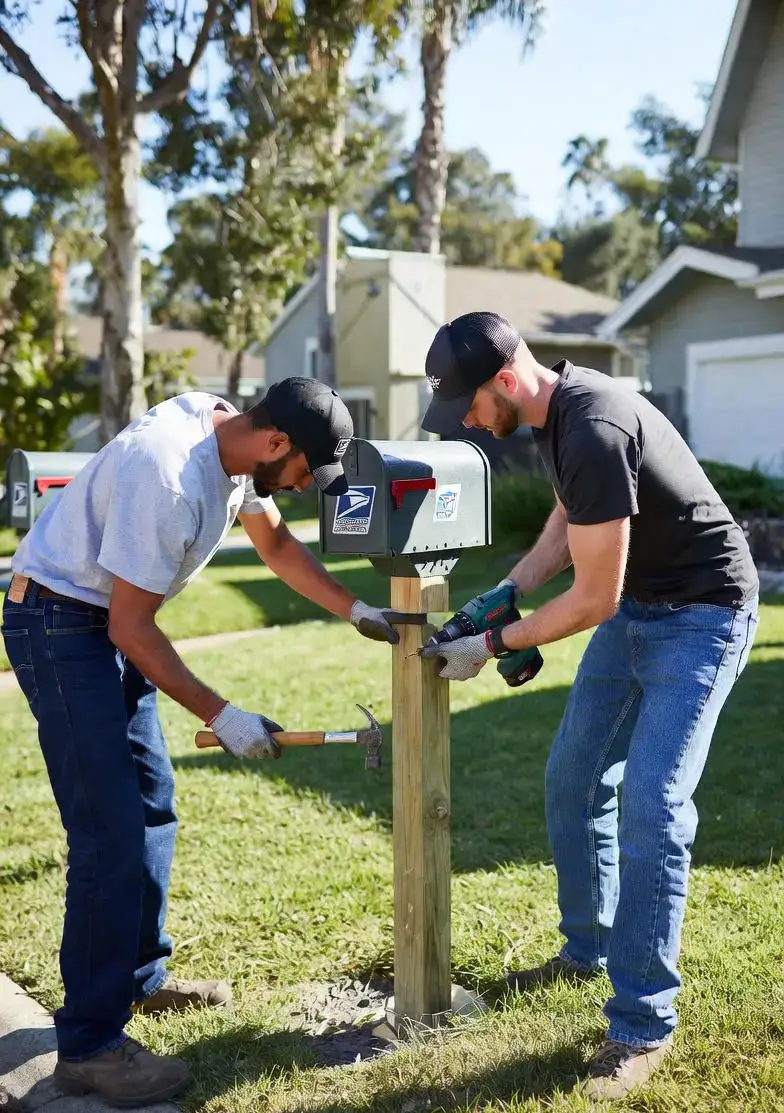
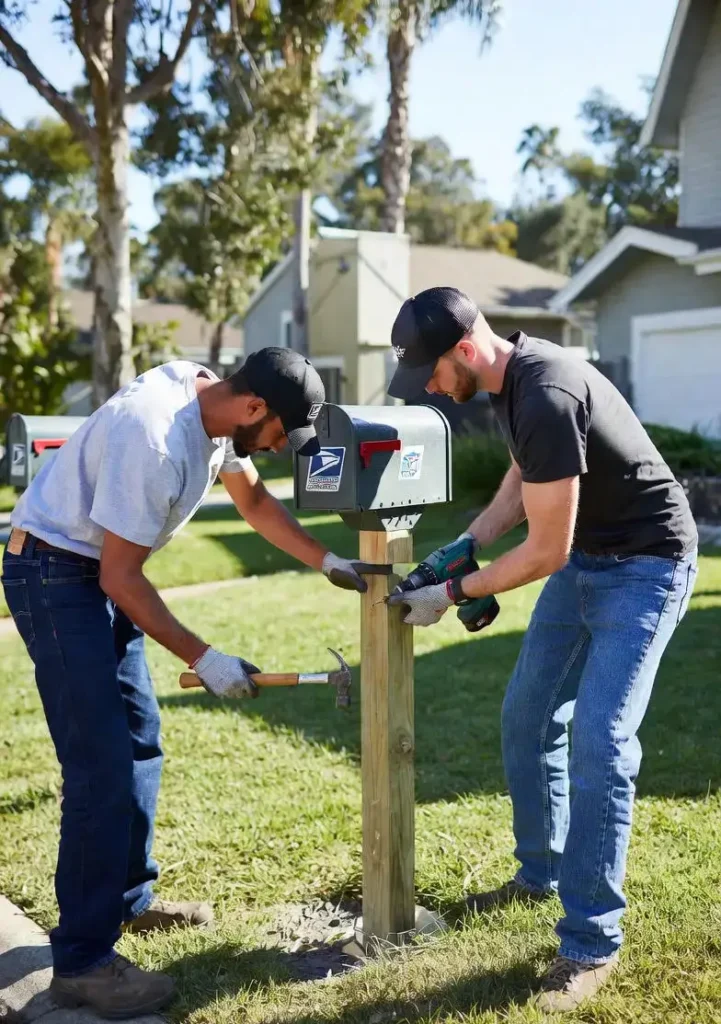
Replacing a mailbox post isn’t complicated — but it is physical, precise work.
Do it right and you forget about it for a decade?
Do it wrong and you’re straightening it every spring.
Depth, drainage, alignment, and materials matter more than speed.
Mailbox Leaning or Falling Over?
A loose or rotting mailbox post won’t fix itself. Replacing it the right way prevents repeat damage, keeps deliveries smooth, and saves you from doing the job over and over again.
Call Now: 313-513-1185