How Often Should You Clean the Lint Trap in Your Dryer?
Need Dryer Maintenance or Repair?
A clogged lint trap can make your dryer work harder, increase energy bills, and even create a fire hazard. If your dryer isn’t working properly, professional help can keep your laundry routine running safely.
Call Now: (313) 513-1185Most homeowners use their dryer several times a week, but very few think about the lint trap until the machine stops working efficiently. That small screen inside your dryer actually plays a major role in keeping the appliance safe and running smoothly.
Cleaning the lint trap is one of the easiest home maintenance tasks, yet ignoring it can cause serious problems. Reduced efficiency, longer drying times, higher energy bills, and even dryer fires can result from a clogged lint screen.
Understanding how often you should clean your dryer lint trap—and why it matters—can help protect your home while extending the life of your appliance.
What the Dryer Lint Trap Actually Does
The lint trap is designed to catch small fibers that come off clothing during the drying cycle. As clothes tumble around in the dryer, friction loosens tiny threads from fabric. These fibers travel through the dryer’s airflow system.
Without a lint trap, those fibers would move into the dryer vent and exhaust system, eventually causing dangerous blockages.
The lint screen captures most of these fibers before they enter the vent. This keeps airflow moving properly and reduces the amount of lint that reaches the dryer vent line.
When the lint trap becomes clogged, airflow is restricted. That forces the dryer to work harder to remove moisture from clothes.
How Often Should You Clean the Lint Trap?
The best practice is simple: clean the lint trap after every load of laundry.
This might seem excessive to some people, but it only takes a few seconds and dramatically improves dryer performance.
Removing lint after each load ensures:
- Proper airflow inside the dryer
- Faster drying times
- Lower energy usage
- Reduced risk of overheating
Even a thin layer of lint on the screen can restrict airflow more than most people realize.
Many dryer manufacturers specifically recommend cleaning the lint trap every time the dryer is used.
Why Cleaning the Lint Trap Matters
Some homeowners assume skipping the lint trap cleaning occasionally isn’t a big deal. Unfortunately, even small amounts of lint buildup can cause several problems.
Increased Fire Risk
Lint is extremely flammable. When lint builds up inside the dryer, it can ignite if temperatures become too high.
According to safety experts, clogged dryer systems are one of the most common causes of household appliance fires.
Cleaning the lint trap helps reduce the amount of lint circulating through the dryer and vent system.
Longer Drying Times
If your clothes seem to take longer to dry than they used to, the lint trap may be partially clogged.
Restricted airflow prevents warm air from circulating effectively. This means moisture stays trapped in the clothing longer.
As a result, drying cycles may need to run multiple times before clothes are fully dry.
Higher Energy Bills
When airflow is restricted, your dryer must run longer to achieve the same results.
Longer drying cycles mean higher electricity or gas usage. Over time, that added energy cost can significantly increase utility bills.
Cleaning the lint trap regularly helps the dryer operate at peak efficiency.
Extra Wear on the Dryer
A dryer forced to work harder experiences more mechanical strain.
Heating elements, motors, and internal components may wear out faster when airflow is restricted. This can lead to expensive repairs or premature appliance replacement.
Routine lint trap cleaning reduces strain and extends the lifespan of the dryer.
Signs Your Lint Trap Needs Attention
Sometimes homeowners forget to clean the lint screen until they notice something wrong with the dryer.
Here are a few warning signs that lint buildup may be affecting performance:
- Clothes take longer than usual to dry
- Dryer feels extremely hot during operation
- Laundry comes out hotter than normal
- Burning or dusty smell during drying cycles
- Lint accumulating around the dryer door
If you notice these issues, it’s important to check the lint trap and clean it immediately.
How to Properly Clean a Dryer Lint Trap
Cleaning the lint trap is quick and simple.
Follow these basic steps:
- Pull the lint screen out of the dryer.
- Use your fingers to remove the lint layer.
- Dispose of the lint in the trash.
- Place the clean lint screen back into the dryer.
The entire process usually takes less than 10 seconds.
However, that small step can make a major difference in dryer performance.
Deep Cleaning the Lint Trap
Over time, dryer sheets and fabric softeners can leave a thin residue on the lint screen. This buildup may not be visible, but it can block airflow through the mesh.
Every few months, it’s a good idea to perform a deeper cleaning.
Here’s how:
- Remove the lint screen.
- Rinse it under warm water.
- Use a soft brush and mild soap to scrub the mesh.
- Allow it to dry completely before reinstalling.
This removes residue and restores full airflow through the screen.
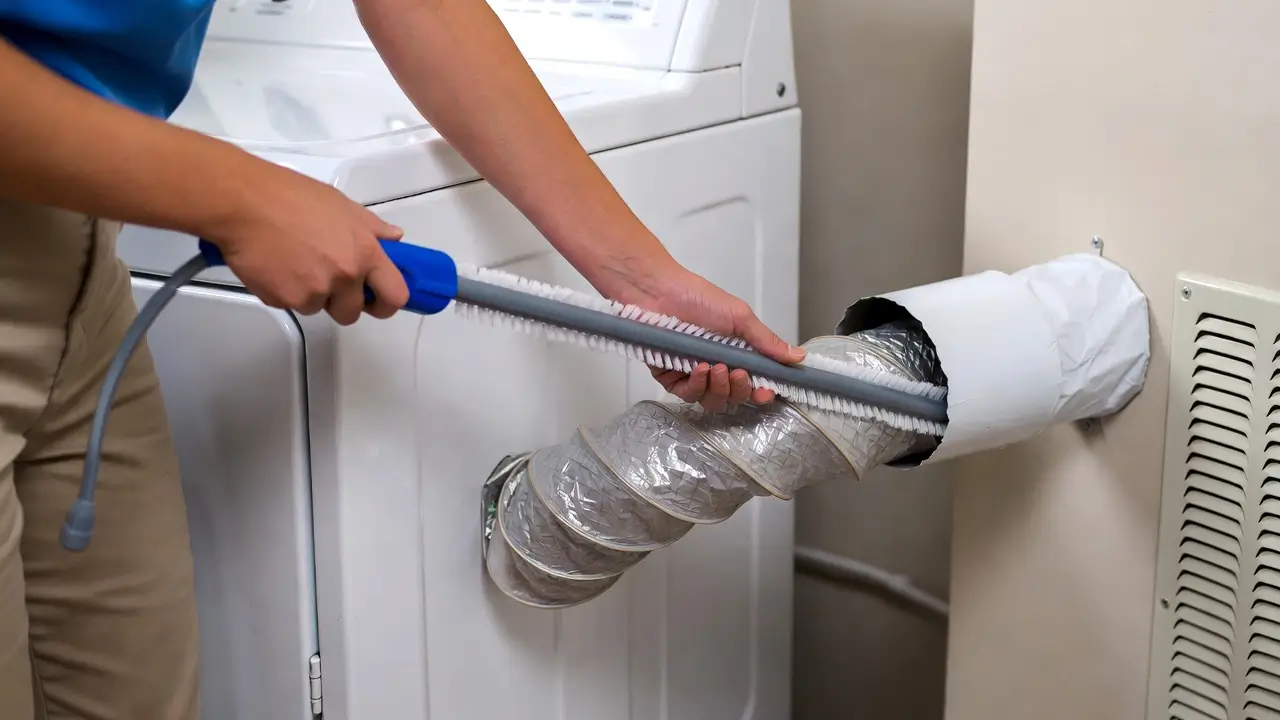
Don’t Forget About the Dryer Vent
While the lint trap catches most fibers, some lint still makes its way into the dryer vent system.
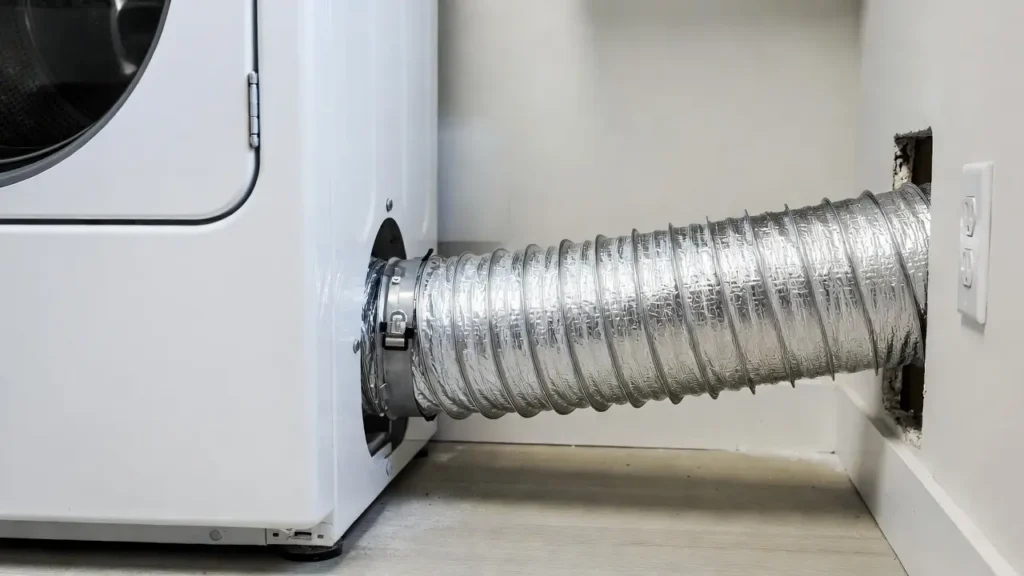
Over time, lint can accumulate inside the vent hose and exterior vent outlet.
A clogged dryer vent can cause:
- Overheating
- Poor dryer performance
- Increased fire risk
Experts generally recommend professional dryer vent cleaning once per year, especially in homes that run frequent laundry cycles.
Keeping both the lint trap and the dryer vent clean provides the best protection for your appliance and your home.
Other Dryer Maintenance Tips
Regular dryer maintenance helps the appliance operate safely and efficiently.
Here are a few helpful habits to follow:
Check pockets before drying. Small objects like tissues or paper can create extra lint buildup.
Avoid overloading the dryer. Overloading prevents proper airflow and increases lint production.
Inspect the dryer vent periodically. Look for crushed vent hoses or blockages.
Keep the area around the dryer clean. Excess lint around the appliance can become a fire hazard.
Simple maintenance habits can extend the life of your dryer and improve its performance.
When to Call a Professional
Sometimes dryer issues go beyond simple lint trap cleaning.
If you notice persistent problems like:
- Dryer overheating
- Burning smells
- Clothes still damp after multiple cycles
- Excessive lint buildup
It may be time to have the dryer inspected by a professional.
A technician can check the vent system, airflow, heating components, and other parts of the appliance to ensure everything is functioning properly.
Addressing these issues early can prevent bigger repairs later.
Need Dryer Maintenance or Repair?
A clogged lint trap can make your dryer work harder, increase energy bills, and even create a fire hazard. If your dryer isn’t working properly, professional help can keep your laundry routine running safely.
Call Now: (313) 513-1185Final Thoughts
Cleaning your dryer lint trap is one of the easiest and most important maintenance tasks homeowners can perform. Taking just a few seconds to remove lint after each load improves dryer efficiency, lowers energy costs, and helps reduce fire risks.
Pairing regular lint trap cleaning with occasional vent maintenance ensures your dryer operates safely for years to come.
By making this simple habit part of your laundry routine, you can protect your appliance, save money on energy bills, and keep your home safer overall.