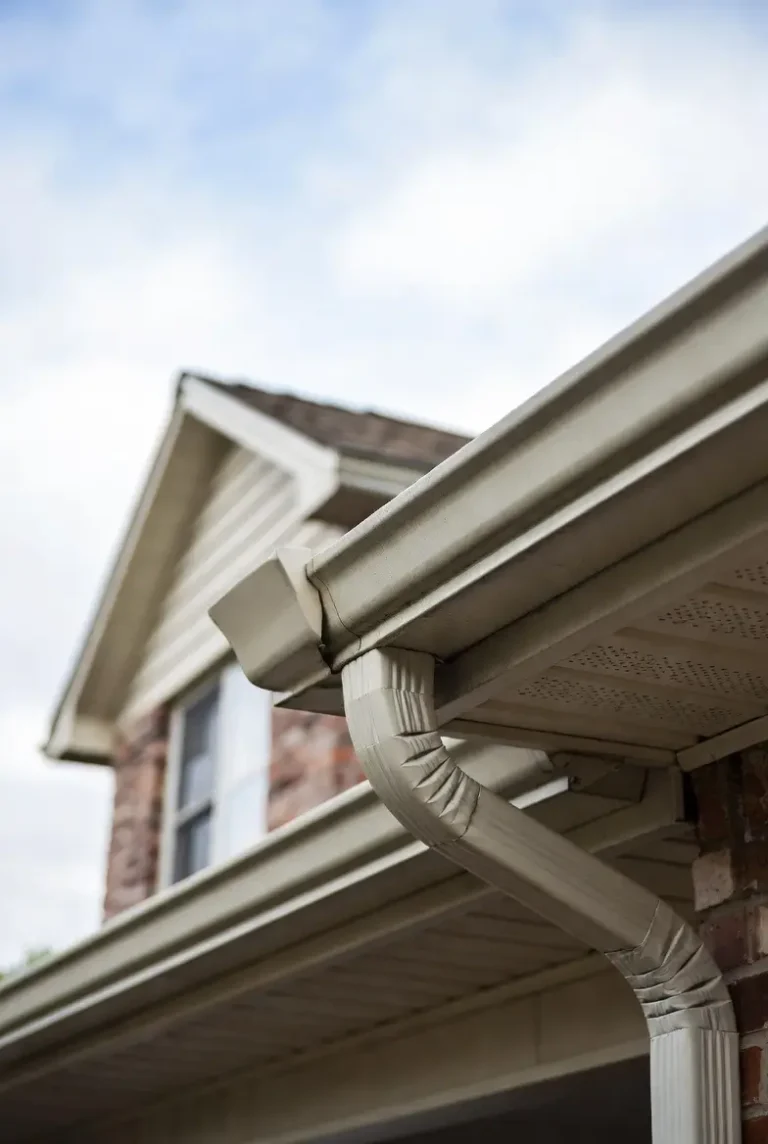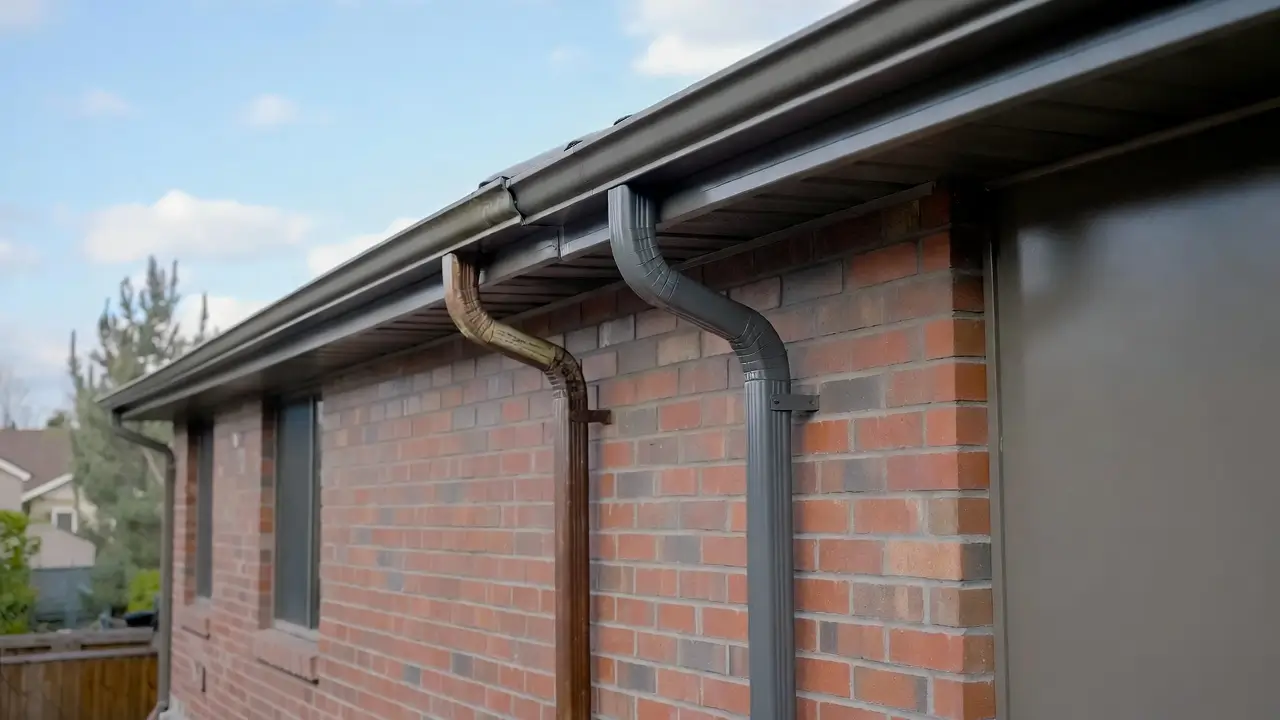
Downspout Repairs: Protect Your Home from Water Damage
Downspouts are a vital part of your home’s drainage system. They move water from your gutters safely away from your foundation. When a downspout is loose, clogged, or disconnected, water can pool near your home, creating serious problems over time. From basement leaks to foundation cracks in Michigan, downspout issues can quickly turn into expensive repairs.
In this post, we’ll explain why downspouts fail, the common problems homeowners face, and how professional repairs protect your home.
How Downspouts Protect Your Home
Downspouts are the vertical pipes that carry water from your gutters down to the ground. Their job is simple but essential: keep water away from your home’s foundation. Without them, rainwater can:
- Saturate soil around the foundation
- Cause basement leaks
- Damage siding or exterior paint
- Erode landscaping
Even a small leak or misalignment can cause these problems over time. A properly installed and maintained downspout ensures water flows several feet away from your home, keeping the structure safe.
Common Downspout Problems
Downspouts face a lot of wear and tear. Weather, debris, and normal aging can lead to several common issues.
Loose Downspouts
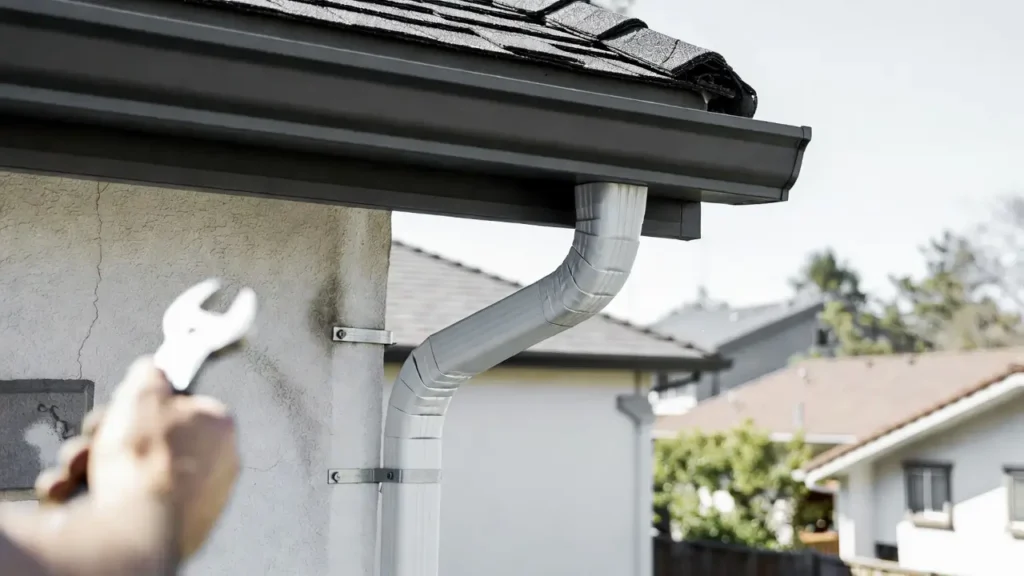
Brackets hold your downspouts to the house. Over time, these brackets can loosen due to wind, ice, or expansion and contraction of the materials.
Signs your downspout is loose:
- Pipe rattles during storms
- Downspout pulls away from siding
- Water leaks at the seams
Even a slightly loose downspout should be fixed quickly. Left unattended, water will start spilling where it shouldn’t, potentially damaging your siding or foundation.
Clogged Downspouts
Leaves, twigs, and roof debris often get stuck in downspouts, preventing proper drainage. Water backs up, causing gutters to overflow.
Signs of clogging include:
- Gutters spilling water during rain
- Slow drainage after storms
- Visible debris inside the downspout
Cleaning out clogs restores proper flow and prevents water from pooling near your home.
Disconnected Downspouts
Downspouts sometimes separate at joints or elbows. This can happen from rusted screws, weather damage, or impact.
When this occurs:
- Water exits at the wrong spot
- Pooling occurs near the foundation
- Basement and landscape damage become more likely
Disconnected downspouts are risky because they often go unnoticed until major damage appears.
Damaged or Bent Downspouts
Aluminum or metal downspouts can get crushed or bent by ladders, lawn equipment, or vehicles. Bent sections restrict water flow, leading to overflow and potential clogs. Often, the damaged section just needs replacing.
Signs You Need a Downspout Repair
Even minor issues can escalate if ignored. Look for these warning signs:
- Overflowing gutters
- Loose or detached pipes
- Water pooling near your foundation
- Rusted or damaged joints
- Soil erosion near discharge points
Early detection saves thousands in repair costs later.
Risks of Ignoring Downspout Problems
Water is one of the most destructive elements around a home. If your downspouts fail, the risks include:
Foundation Damage
Water pooling near the foundation can saturate the soil, causing it to expand and contract. This puts pressure on your foundation walls, leading to cracks and structural issues.
Basement Leaks
Water collected near the foundation can seep into your basement, creating moisture problems, mold growth, and costly repairs.
Siding and Exterior Damage
Overflowing or leaking downspouts can stain siding, damage paint, and promote wood rot. Water behind siding can cause hidden mold problems that are expensive to fix.
Landscape Erosion
Downspouts that dump water directly onto flower beds or yards can erode soil, wash away mulch, and damage plants.
How Professionals Repair Downspouts
Most downspout problems are straightforward for experienced professionals.
Inspection
The first step is a thorough inspection of the gutter and downspout system. Professionals look for:
- Loose brackets
- Damaged pipe sections
- Blockages or clogs
- Proper water discharge
Cleaning
If a clog is present, debris is removed using specialized tools or water pressure. This restores normal water flow.
Repair or Replacement
Loose brackets are tightened, disconnected sections are reattached, and damaged pieces are replaced. Professionals ensure all connections are secure and water flows properly.
Drainage Improvements
Sometimes water is safely exiting the downspout but too close to the house. Adding extensions or splash blocks directs water several feet away, preventing foundation damage.
Maintenance Tips to Prevent Future Problems
Preventing downspout issues is easier than repairing major damage.
- Clean gutters regularly: Especially important for homes with trees nearby.
- Check brackets and fasteners: Tighten any loose fittings.
- Install downspout extensions: Direct water 4–6 feet away from the foundation.
- Inspect after storms: High winds and ice can loosen components.
Routine maintenance helps your downspouts last longer and protects your home.
When to Call a Professional
While minor issues can sometimes be fixed DIY, many downspout problems involve ladders, roof work, and diagnosing drainage issues. A professional ensures the repair is done safely and effectively.
Fixing downspouts promptly prevents costly foundation damage, basement leaks, and landscape erosion.
Why Proper Downspout Placement Matters
One factor many homeowners overlook is the actual placement of the downspout discharge point. Even if the downspout itself is working properly, poor placement can still lead to water problems around the home.
When water exits the downspout too close to the foundation, it quickly saturates the surrounding soil. During heavy rainstorms, this water can begin seeping toward the basement walls. Over time, the constant moisture pressure may lead to small cracks forming in the foundation or allow water to work its way inside.
Ideally, downspouts should direct water at least four to six feet away from the home. This can be done with extensions, splash blocks, or underground drainage systems. These simple solutions dramatically reduce the amount of water collecting near the house.
Another issue occurs when the ground around the downspout slopes toward the home instead of away from it. In this situation, water may run right back toward the foundation even if the downspout is functioning properly. A professional inspection can identify grading issues and recommend simple solutions to improve drainage.
Proper placement also protects landscaping. When water repeatedly pours into the same small area, it can wash away soil, destroy mulch beds, and damage plants. Spreading water farther away from the home prevents erosion and keeps the yard looking healthy.
If your downspouts currently dump water right next to your house, it may be time to upgrade the system with extensions or reposition the drainage point. These small adjustments can make a big difference in preventing water damage and maintaining the long-term health of your home’s foundation.
Call Today for Downspout Repairs
Loose, clogged, or disconnected downspouts can cause major water damage. Don’t wait—get it fixed now.
Call 313-367-1116