Why Your Furnace Keeps Turning Off in Detroit Winter
Is Your Furnace Constantly Turning Off During a Detroit Winter?
Don’t get stuck in a cold house when temperatures drop. Whether your furnace is short cycling, shutting off unexpectedly, or struggling to keep your home warm, our experienced HVAC technicians can help diagnose and fix the problem fast.
Want Reliable Heat Back in Your Home?
Schedule Furnace Service NowWhen temperatures drop across Detroit, the last thing any homeowner wants is a furnace that keeps shutting off unexpectedly. A furnace that starts, runs for a few minutes, and then turns off can leave your home feeling cold and uncomfortable, especially during a Michigan cold snap. Not only is this frustrating, but it can also lead to higher utility bills, uneven heating, and concerns about whether your heating system is about to fail completely.
If your furnace keeps turning off during the winter, there are several possible causes. Some are simple fixes, while others require professional HVAC service. Understanding what may be causing the issue can help you determine the best course of action before a complete heating breakdown occurs.
Short Cycling: The Most Common Furnace Problem
One of the most common reasons a furnace repeatedly turns on and off is a problem known as short cycling.
Short cycling occurs when your furnace starts a heating cycle but shuts down before reaching the desired indoor temperature. Instead of running long enough to heat your home efficiently, the system repeatedly starts and stops.
This creates several problems:
- Higher energy consumption
- Increased wear and tear on components
- Uneven temperatures throughout the house
- Reduced comfort levels
- Potential premature furnace failure
Detroit homeowners often notice short cycling during the coldest winter months when their heating systems are working the hardest.
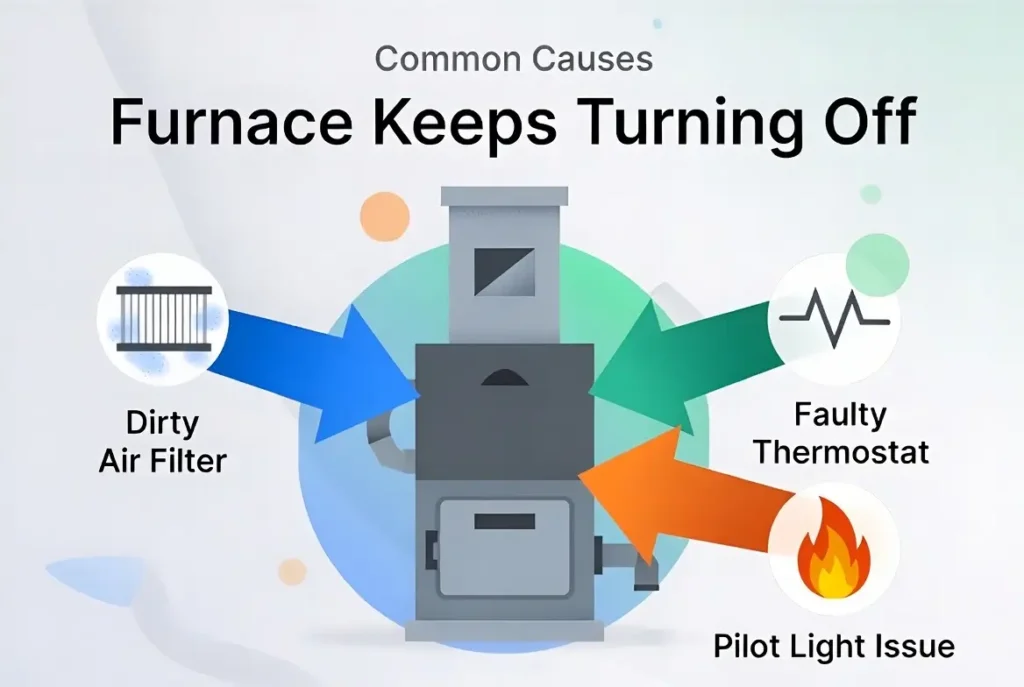
Dirty Furnace Filters Can Restrict Airflow
A clogged air filter is one of the simplest yet most overlooked causes of furnace shutdowns.
Your furnace relies on proper airflow to operate safely and efficiently. When the filter becomes packed with dust, pet hair, dirt, and debris, airflow becomes restricted.
As airflow decreases, the furnace can begin overheating. Modern furnaces are equipped with safety switches designed to shut the system down when temperatures become too high. This prevents damage to the heat exchanger and other critical components.
Signs of a dirty filter include:
- Weak airflow from vents
- Increased dust inside the home
- Furnace turning off frequently
- Higher heating bills
Homeowners should typically inspect their filters every month during winter and replace them as needed.
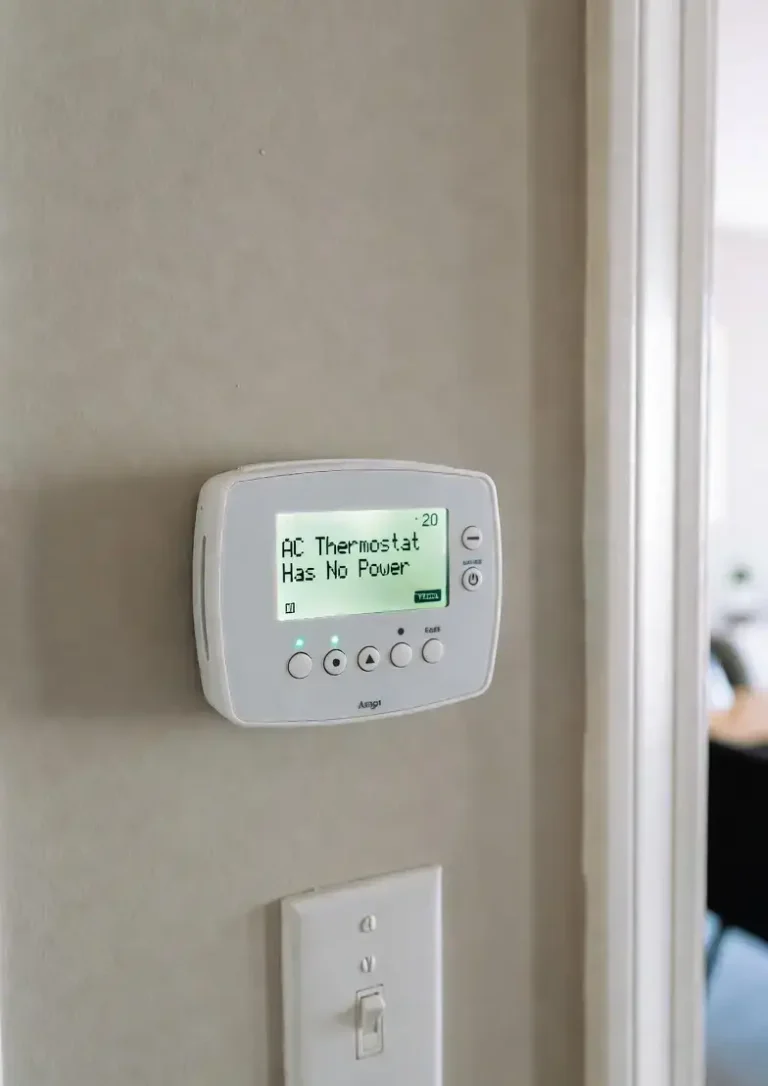
Thermostat Problems Can Cause Frequent Shutdowns
Sometimes the furnace itself is not the problem.
A malfunctioning thermostat can send incorrect signals to your heating system, causing it to shut down unexpectedly.
Common thermostat issues include:
- Dead batteries
- Faulty wiring
- Incorrect settings
- Poor thermostat placement
- Calibration problems
For example, if your thermostat is located near a heat source such as a sunny window, fireplace, or kitchen appliance, it may falsely detect that your home has reached the desired temperature.
The furnace then shuts off even though the rest of the home remains cold.
Overheating Safety Switches
Modern furnaces contain multiple safety features designed to prevent dangerous operating conditions.
One of these is the high-limit switch.
When furnace temperatures exceed safe operating ranges, the high-limit switch automatically shuts the system down.
Several issues can trigger this safety feature:
- Dirty air filters
- Blocked vents
- Blower motor problems
- Restricted ductwork
- Dirty evaporator coils
If the high-limit switch repeatedly activates, it’s often a sign that the furnace is struggling with airflow or internal mechanical issues.
Blocked or Closed Air Vents
Many homeowners unknowingly create heating problems by closing vents in unused rooms.
While this may seem like a way to save energy, it can actually increase pressure inside the duct system.
When too many vents are closed, airflow becomes restricted, causing the furnace to work harder and potentially overheat.
Walk through your home and make sure:
- Supply vents are open
- Return vents are unobstructed
- Furniture is not blocking airflow
- Curtains are not covering vents
Maintaining proper airflow helps your furnace operate more efficiently and reduces unnecessary shutdowns.
Flame Sensor Problems
The flame sensor is a critical safety component found inside your furnace.
Its job is to verify that the burners are producing a flame. If the sensor does not detect a flame, the furnace automatically shuts down to prevent gas from accumulating inside the system.
Over time, flame sensors can become coated with carbon buildup and corrosion.
Common symptoms include:
- Furnace starts normally
- Burners ignite briefly
- Furnace shuts down within seconds
- Repeated startup attempts
A dirty flame sensor is a relatively common repair during Detroit’s heating season.
Dirty Burners Can Affect Furnace Performance
Gas burners play a major role in generating heat.
When burners become dirty or clogged, they may fail to ignite properly or burn inconsistently.
This can cause the furnace control board to detect a problem and shut the system down.
Signs of burner issues include:
- Delayed ignition
- Yellow burner flames
- Strange odors
- Popping sounds
- Frequent shutdowns
Regular maintenance can help prevent burner-related heating problems before they become expensive repairs.
Furnace Exhaust Vent Blockages
High-efficiency furnaces use intake and exhaust pipes that typically exit through an exterior wall.
Detroit winters often bring snow, ice, and debris that can block these vents.
When venting becomes restricted, safety controls may shut down the furnace to prevent harmful gases from entering the home.
Potential obstructions include:
- Snow accumulation
- Ice buildup
- Animal nests
- Leaves and debris
Checking exterior vent pipes can sometimes reveal the source of a recurring shutdown issue.
Faulty Pressure Switches
Pressure switches monitor airflow and venting conditions inside the furnace.
If the pressure switch detects improper airflow or venting, it may prevent the furnace from operating.
A faulty switch can create symptoms that mimic more serious heating problems.
Signs may include:
- Furnace starts but shuts off quickly
- Intermittent operation
- Error codes on the control board
- Failure to complete a heating cycle
Because pressure switch diagnosis often requires specialized testing equipment, professional HVAC service is usually recommended.
Electrical Component Failures
Modern furnaces rely on numerous electrical components to function properly.
A failing component can interrupt normal operation and cause unexpected shutdowns.
Possible electrical issues include:
- Faulty control boards
- Loose wiring
- Failed relays
- Damaged capacitors
- Blower motor problems
Electrical problems can be difficult to diagnose without proper training and tools.
If your furnace is shutting off repeatedly despite replacing the filter and checking vents, an electrical issue may be involved.
Furnace Age and Wear
Detroit homeowners often rely on furnaces that are 15 to 20 years old or older.
As heating systems age, components naturally wear out.
Older furnaces may experience:
- Frequent breakdowns
- Reduced efficiency
- Short cycling
- Inconsistent heating
- Higher repair costs
If repairs are becoming frequent and your furnace is nearing the end of its lifespan, replacement may be the more cost-effective long-term solution.
Why Ignoring Furnace Problems Can Be Expensive
Many homeowners wait until the furnace completely stops working before calling for service.
Unfortunately, a furnace that repeatedly shuts off is often warning you that something is wrong.
Ignoring the issue can lead to:
- Higher utility bills
- Costlier repairs
- Complete system failure
- Reduced comfort
- Potential safety concerns
Addressing small issues early can often prevent major heating emergencies during Detroit’s coldest weather.
Schedule Furnace Service Before a Complete Breakdown
A furnace that keeps turning off is not something homeowners should ignore. Whether the problem involves airflow restrictions, thermostat issues, safety switches, flame sensors, or aging components, professional diagnosis can help restore reliable heating and prevent more serious damage.
If your furnace keeps shutting off during a Detroit winter, having the system inspected sooner rather than later can help ensure your home stays warm, comfortable, and energy-efficient throughout the heating season.