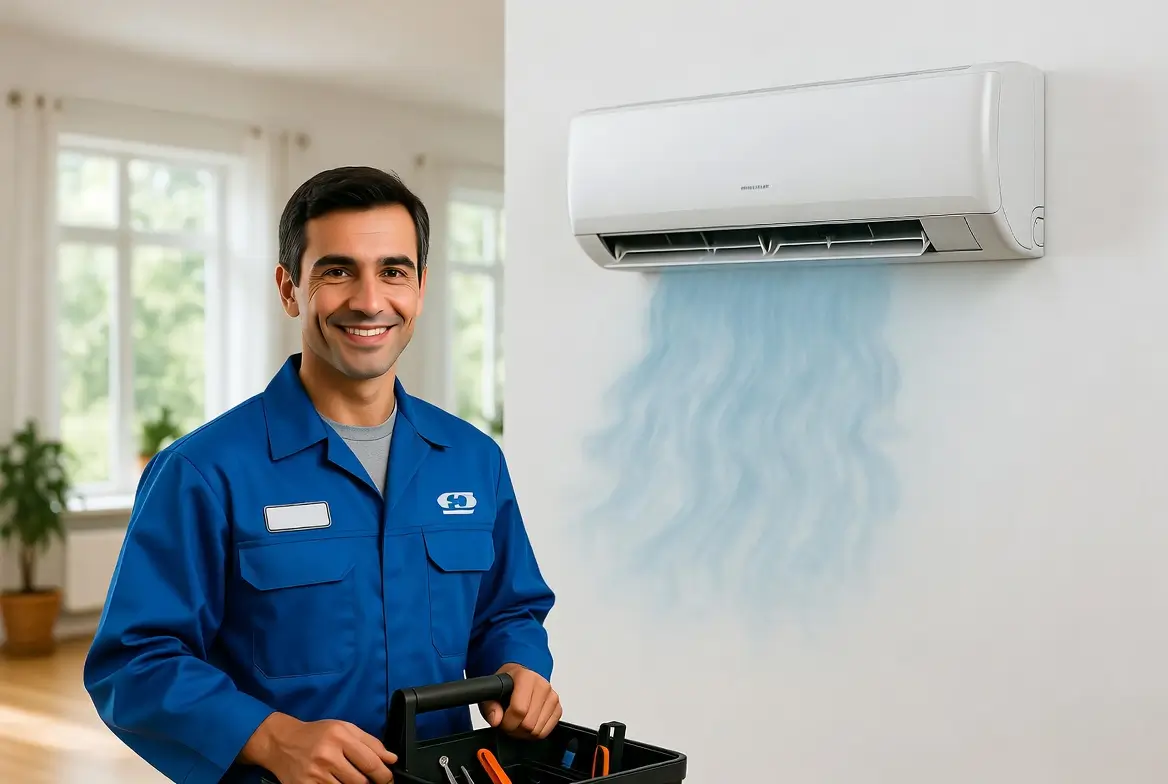
AC Not Cooling in Detroit Heat: What’s Usually Broken?
Is Your AC Blowing Warm Air Instead of Keeping Your Home Cool?
Don’t suffer through another hot Detroit day with an air conditioner that can’t keep up. Whether your AC isn’t cooling, keeps running nonstop, or has stopped working altogether, our experienced technicians can diagnose the problem and get your comfort back fast.
Ready to Get Your Cool Air Back Before the Next Heat Wave?
Schedule Your AC Repair NowThere are few things more frustrating than walking into your home on a hot Detroit summer day only to realize your air conditioner is running but not actually cooling the house. Michigan summers may not last as long as winters, but when temperatures climb into the 80s and 90s with high humidity, a functioning air conditioner quickly becomes more of a necessity than a luxury.
If your AC is blowing warm air, struggling to keep up, or not cooling your home at all, you’re not alone. Many Detroit homeowners experience these issues every summer. While some problems have simple solutions, others require professional repair before they lead to complete system failure.
Understanding what is usually broken when an AC stops cooling can help you know when to troubleshoot and when it’s time to call for service.
Dirty Air Filters Restrict Airflow
One of the most common reasons an air conditioner stops cooling properly is something many homeowners overlook: the air filter.
Your HVAC system depends on unrestricted airflow to operate efficiently. As the filter collects dust, pet hair, pollen, and debris, airflow becomes restricted.
When airflow decreases, several issues can occur:
- Reduced cooling performance
- Frozen evaporator coils
- Higher energy bills
- Longer cooling cycles
- Increased strain on system components
Many homeowners assume the AC itself is broken when replacing a clogged filter may restore normal operation.
During Detroit’s cooling season, filters should generally be checked monthly and replaced as needed.
Low Refrigerant Levels
Refrigerant is the substance responsible for removing heat from your home’s indoor air.
Contrary to popular belief, refrigerant doesn’t get “used up” like gasoline. If refrigerant levels are low, there’s usually a leak somewhere in the system.
Common signs of low refrigerant include:
- Warm air blowing from vents
- Ice buildup on refrigerant lines
- Hissing sounds near the unit
- Extended cooling cycles
- Difficulty reaching thermostat settings
Refrigerant leaks should always be handled by qualified HVAC technicians because proper diagnosis and repair require specialized equipment.
Frozen Evaporator Coils
Your evaporator coil absorbs heat from indoor air. However, when airflow is restricted or refrigerant levels are low, the coil can freeze.
Once ice forms, cooling performance drops dramatically.
Symptoms of frozen coils include:
- Weak airflow
- Warm air from vents
- Visible frost or ice
- Water leaking near the furnace
- AC running constantly
Turning the system off may allow the ice to melt temporarily, but the underlying problem still needs attention.
Dirty Outdoor Condenser Units
Detroit homeowners often focus on the indoor portion of their HVAC systems while forgetting about the outdoor unit.
Your condenser needs adequate airflow to release heat collected from inside your home.
Over time, outdoor units accumulate:
- Grass clippings
- Cottonwood seeds
- Leaves
- Dirt
- Debris
When airflow around the condenser becomes restricted, the system cannot efficiently remove heat.
This often leads to:
- Reduced cooling
- Longer run times
- Increased utility costs
- Premature equipment wear
Keeping the area around your outdoor unit clean can improve overall performance.
Faulty Capacitors
Capacitors provide the electrical boost needed to start and operate motors within your air conditioning system.
Extreme summer temperatures can place additional stress on these components.
When capacitors fail, you may notice:
- The AC won’t start
- Humming noises
- Intermittent cooling
- The outdoor fan not spinning
- Frequent shutdowns
Capacitor failures are among the most common summertime AC repairs performed by HVAC technicians.
Thermostat Problems
Sometimes the issue isn’t the air conditioner itself.
A malfunctioning thermostat can create the appearance of cooling problems by sending incorrect signals to the system.
Potential thermostat issues include:
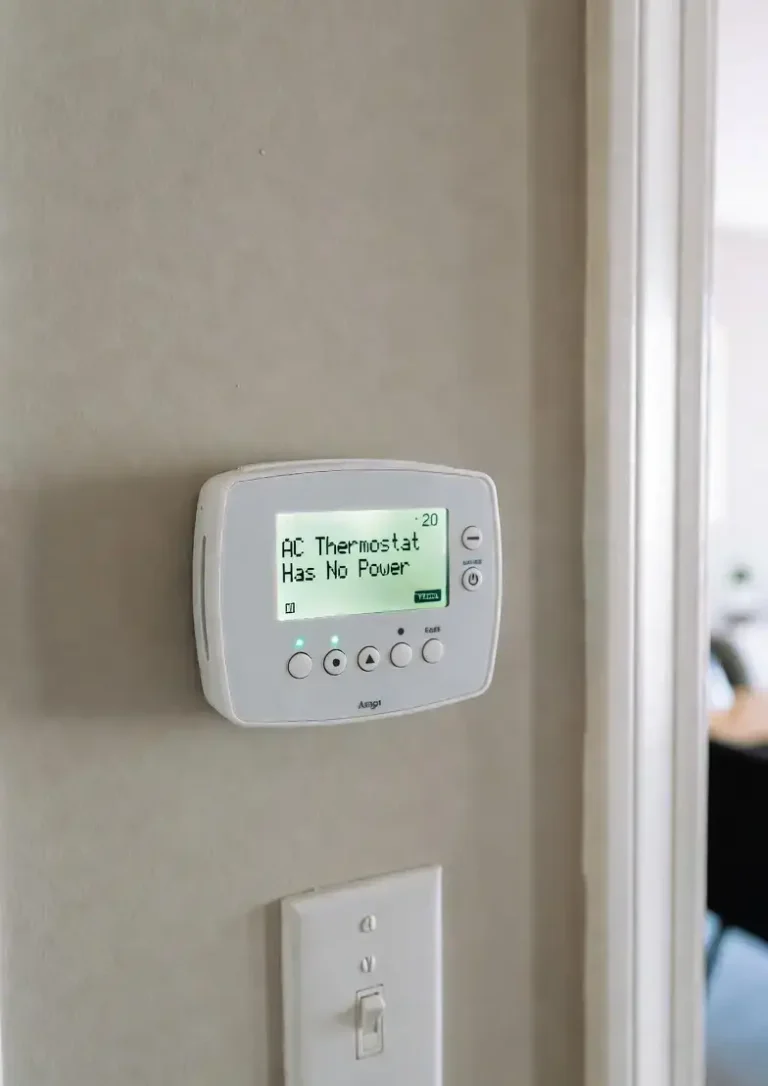
- Dead batteries
- Incorrect programming
- Faulty sensors
- Wiring problems
- Calibration errors
Before assuming major repairs are needed, homeowners should verify thermostat settings and functionality.
Clogged Condensate Drain Lines
Air conditioners naturally remove moisture from indoor air.
That moisture drains away through a condensate line.
Over time, algae, dirt, and debris can clog the drain.
When this happens, many systems activate safety switches designed to prevent overflow damage.
Signs of a clogged drain include:
- Water around the furnace
- Musty odors
- AC shutting off unexpectedly
- Increased indoor humidity
Routine maintenance often prevents condensate issues from developing. AC repair in Detroit is very common in the warmer months.
Compressor Problems
The compressor is often referred to as the heart of your air conditioning system.
It circulates refrigerant throughout the cooling cycle.
When the compressor begins failing, cooling performance declines significantly.
Symptoms may include:
- Warm air
- Loud noises
- Difficulty starting
- Frequent breaker trips
- Complete loss of cooling
Because compressor replacement can be costly, prompt diagnosis is important.
Electrical Problems
Modern AC systems rely heavily on electrical components working together properly.
Even minor electrical failures can affect cooling performance.
Common issues include:
- Loose connections
- Damaged wiring
- Failed contactors
- Blown fuses
- Tripped breakers
Electrical problems should always be evaluated carefully, as improper handling can create safety risks.
Aging Air Conditioning Systems
Detroit homeowners often try to extend the lifespan of older cooling systems.
While regular maintenance helps, no air conditioner lasts forever.
As systems age, they may experience:
- Reduced efficiency
- Frequent repairs
- Higher operating costs
- Inconsistent temperatures
- Difficulty cooling during extreme heat
Most central air conditioners have an expected lifespan of approximately 12 to 15 years.
If repair bills continue to add up, replacement may become the more practical investment.
Why Delaying Repairs Can Cost More
It’s tempting to wait and hope cooling problems resolve themselves.
Unfortunately, small issues often become larger and more expensive over time.
Ignoring early warning signs can lead to:
- Complete system breakdowns
- Increased energy bills
- More extensive repairs
- Reduced indoor comfort
- Emergency service calls during peak summer demand
Addressing problems early often saves homeowners both time and money.
Keeping Your Home Comfortable During Detroit Summers
An air conditioner that isn’t cooling properly can quickly turn a comfortable home into an uncomfortable one during Detroit’s hottest days.
Whether the issue involves dirty filters, refrigerant leaks, frozen coils, faulty capacitors, thermostat problems, or aging equipment, identifying the cause early can help prevent major disruptions.
Regular maintenance and timely repairs can extend the life of your system, improve efficiency, and help ensure your family stays cool throughout the summer.
If your AC is blowing warm air or struggling to keep up with Detroit’s heat, professional diagnosis can provide answers before a minor issue becomes a major expense.