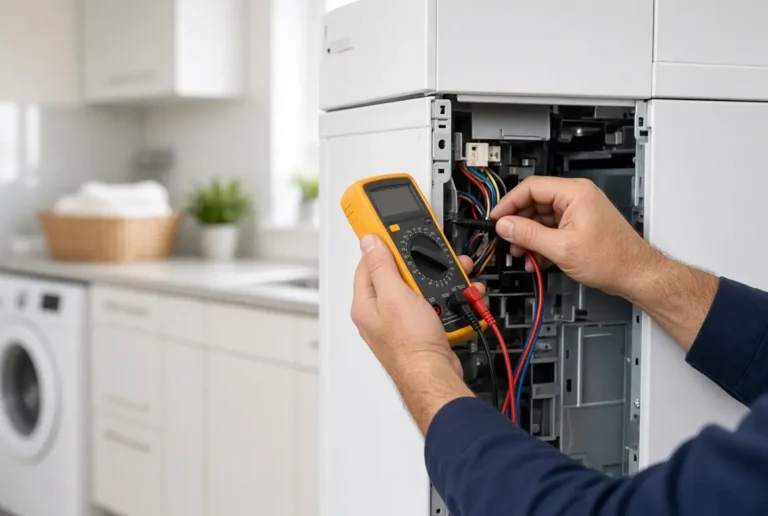
How To Diagnose Common Washing Machine Problems Before Calling a Handyman
Need Help With a Washing Machine Problem?
If basic troubleshooting hasn’t solved the problem, get in touch to discuss your household repair needs and determine the next step.
Call 313-362-6383A washing machine that leaks, makes strange noises, refuses to spin, or doesn’t spin full with water can quickly disrupt the household routine. Before scheduling a handyman in the Detroit area, homeowners can perform several basic checks to identify the problem and determine whether the professional repair is necessary.
Washing machine issues, stem from overloaded, drums, unbalanced, laundry, clogged, drain filters, loose hoses, or interrupted power. The problems may be relatively simple to address without expensive components having to be replaced.
We will walk you through five common washing machine problems, the tools that you’re gonna need, and the warning signs that indicate it’s time to call a professional appliance repair service in Detroit.
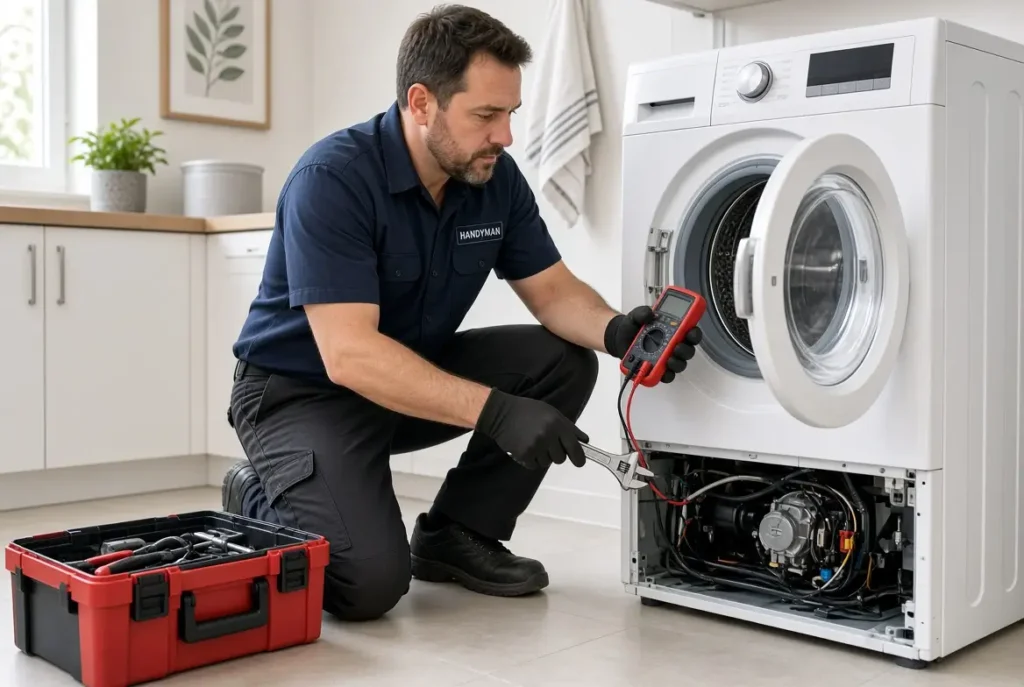
Here’s what to check before you troubleshoot a washing machine
Before inspecting your appliance, prioritize safety. Turn off the machine and unplug it before examining the hoses, the filter filters, and any other components. If the appliance is hardwired, do not attempt electrical work yourself.
If there is water near the outlet, plug, or the electrical panel, do not step in the water or touch the appliance. Shut the power off from a safe, dry location, if it’s possible contact that qualified professional for appliances in your area.
Gather a few supplies:
- You’re going to need a flashlight to inspect the hoses and connections
- Towels and a shallow container for catching water
- A screwdriver for manufacturer access to panels
- Your washing machines instructions for the model you have
Never remove electrical panels, bypass, safety switches, or open a machine while it’s still running. Always follow the manufacturers troubleshooting processes.
How to diagnose a leaking washing machine
A leaking washing machine can damage flooring, baseboards, and nearby cabinets. The first step is identifying where the water is appearing.
Check the water supply hoses. Inspect the connections behind the washer for dripping, corrosion, or any cracks or you might even see bulging. If the connection is loose, shut off the water supply before carefully tightening it according to the manufacturers instructions. Replace the damage hoses rather than attempting a temporary patch.
Inspect the drain hose make sure the hose is securely positioned in the drain pipe and there is no visible splits. A hose that has slipped out of place can release water into the drain cycle.
Look around The Door. Front loading washers may leak when debris is accumulated around the door gasket or when the gasket is torn. . Clean away, accessible, residue, and inspect for damage. Top loading models may leak if overloaded or if water splashes into the tub.
Consider using a different detergent. Too many detergent or detergent that is not designed for your washer can produce excessive suds and continue to contribute to the leaks.
If the water continues to leak after these checks, this could be an internal hose, pump, seal, or the tub component. You should stop using the washer and arrange for professional appliance repair.
What can cause a washing machine to make loud noises?
Some washing machines sound normal, but banging, grinding, persistent, squealing, deserves your attention.
Start with the load of laundry. Heavy blankets, towels, and bulky items can collect on one side of the drum. Pause the cycle and read distribute the laundry evenly. Avoiding excessive or exceeding the manufacturers load capacity.
Check whether the washer is level. If the appliance Rock, when you’re gently push it, its feet may not be adjusted. You need to follow the manufacturers instructions to level the machine and ensure the rest is securely on the floor.
Inspect accessible areas for loose objects. Coins, keys, and other small items can rattle when trapped in the drum or The Door gasket. Do you want to remove the objects only when the washer is off.
Listen when the noises occur. Banging or spinning, may indicate the unbalanced load. Grinding during the draining point to a problem with the drain pump, while repeated squealing may indicate worn components.
Stop the machine if you hear, several grinding, smell burning, or a violent shaking. Persistent, mechanical noises may require a handyman or appliance repair technician to common inspect the suspension, bearings, motor or even the pump.
Why is the washing machine not spinning?
A washing machine that finishes the cycle with soaking white clothes may have a drainage problem come on unbalanced load or a mechanical failure.
First, check whether the cycle is still running or paused. Some machines delay, the spinning until the load is balanced, or the door is securely locked.
Next steps would be to reduce the load in the drum if it’s tightly packed. Remove some of the items and re-distribute the remaining laundry before restarting the appropriate cycle.
Check if they’re standing water. If the water remains inside the drum, the washer may not be able to enter it spin cycle because it cannot drain properly. Inspect the drain hoses for kinks and consult the manual for instructions or check the drain filter. Having towels having a shallow container ready residual water may escape.
Also make sure the door closes properly and that no clothing is obstructing the latch.
If the machine still refuses to spin, possibly the causes could include a faulty lid switch, Door Man, drive belt, motor, or the control board. These repairs may require specialized tools and electrical testing. Avoid repeatedly starting or restarting the machine if you are hearing unusual noises or if the machine display is a fault.
How you can troubleshoot a washing machine error code
An error code can help you narrow down the cause of a problem without requiring you to guess which component has failed.
You want to record the exact code. Write it down the letters and number displayed on the control panel. Take photos if necessary so you can always have a reference.
Consult the owners manual. Error codes difference between manufacturers and models. A code associated with the water supply on one machine may mean something different than another.
Check the basic conditions. Depending on the code, verify the water supply is on, the door is closed, the drain hoses position correctly, or the load is not excessively heavy.
I know with our washer or my washer personally, the drum shakes when there’s too much in the drum.
If the manual recommend a reset, following instructions, unplug the machine only when it’s safe to do so, and never reset the appliance to bypass the persistent safety warnings.
If the same error returns, record it when it appears and what the washer is doing. That information can help to repair the issue and also help the repair professional diagnose the issue more efficiently.
Why is the washing machine not filling with water?
When a washer starts, but does not fill, the cause could be a closed supply valve, you may have a king toes, or a problem with the water inlet system with the appliance.
Verify the water supply. Confirm that there is a cold and hot water supply valve, and that they are open as they are required by the machine. If other fixtures, also lack water, the issue may involve your homes, plumbing rather than the washer.
Inspect the inlet hoses. Look for kinks, crushing, or visible damage. Shut off the valve that supplies the water before disconnecting the hose, which you can follow in the manual.
Check for a delayed start. Some washers may have a delayed start setting., Child lock, or a cycle option that affects the filling and when it begins. Verify that the correct cycle is selected.
Consider reconstructing inlet screens. Some machines have small screens where the supply hoses are connected. If the manual permits, cleaning them, shut off the water and first carefully follow the specific or specified procedure.
If the washer still does not fill, a fail, water, inlet valve, pressure sensor, or a control component may be responsible. A professional handyman, or a professional technician that works on appliances, can determine which part needs attention.
A quick decision tree checklist: do you need a handyman or not?
Use this checklist to decide whether you want to take the next steps or if you need to take the next steps.
- Is the washer, smoking, burning, smell, exposed wire, or is the water near an electrical component? Stop using the machine and seek qualified help.
- Is the water leaking consistently or continuously? Shut off the water supply if safe and arrange of repair.
- Is the washer, noisy or shaking? You wanna re-distribute the load and check the machine and make sure that it’s level. Severe noise continues you want to stop the cycle.
- Is there any error codes displayed? If so, you want to record the code and follow the manual.
- Is the washer, not spinning check for an overloaded drum, standing water, or an improperly closed door.
- Is the washer, not filling, verify the supply valve, inspect accessible holders, and confirm the correct cycle.
- Does the problem persist after safe, basic checks contact the handyman or appliance repair specialist in your area of Detroit.
| Type of Repair | Estimated Cost |
|---|---|
| Drain hose replacement | $100–$200 |
| Water inlet valve | $120–$250 |
| Drive belt replacement | $100–$200 |
| Drain pump replacement | $150–$400 |
| Door lock or lid switch | $100–$300 |
| Front-load door seal/gasket | $120–$500 |
| Suspension or shock absorbers | $150–$350 |
| Control board replacement | $200–$550 |
| Motor repair or replacement | $250–$700 |
| Drum or bearing repair | $350–$800+ |
Note: These are estimated repair costs including parts and labor. Actual prices vary by washer model, location, and repair complexity.
When should you call a handyman for a washing machine repair?
DIY troubleshooting is inappropriate form for simple issues such as uneven load, a king toes or an incorrect cycle setting. Professional help can be important when the washer is reportedly giving you repeated leaks, will not drain, fails, suspend despite your basic checks or displays any kind of error codes.
For complex appliance repair, electrical faults, damaged, internal components, or suspected, plumbing problems, choosing a professional with the appropriate experience. Not every washing machine repair fall within a general handyman expertise, so confirm that the provider handles your specific issue.
Address the problem early this can help you prevent water damage, additional components that fail, and unnecessary replacement costs.
Frequently ask questions about washing machines
Can I fix the washing machine myself?
Yes, some problems have simple solutions. You could often correct an unbalanced load, Chek accessible hoses, verify that the supply valves are working, or consult the manual for error codes. Internal electrical and mechanical repairs should be left to a qualified professional.
Why Is my washing machine leaking from the bottom?
Possibly the cause includes a damaged drain hose, a leaking pump, a loose internal connection, or a failed seal. Check accessible, external hoses first, then stop using the water if the source of the leak is unclear or the water continues to accumulate.
How much does it cost to have a washing machine repaired?
Cost can vary on the problem, parts required, labor rates, and the service call fee. A simple adjustment may cost substantially less than replacing a pump, a motor, or just a control board. Ask for an estimate before you get authorization for major repairs. We do have a breakdown below for how much basic repair cost are for washing machines.
Should I repair or replaced an old washing machine?
Considering the age of the machine, repair estimates, the reliability, the replacement cost. If the repairs are frequent and required, parts are expensive, replacing the appliance may make more financial sense. A professional diagnosis can help you compare the options.
Need help with a household repair
If you’re washing machine continuous to leak, make unusual noises, refuses to operate after basic troubleshooting, getting a professional to help can prevent a small problem from becoming a larger one. Do you want to contact a qualified local handyman to discuss the symptoms and determine whether the repair is within the service capability.
Call to discuss your household repair needs at 313-362-6383
Here are some additional costs to consider
- Diagnosis or service call: your approximately looking at $50-$100
- Hourly rate for labor: approximately $50-$150, depending on the technician in the location
- Emergency service: this may add $100-$200 or more onto the bill
When is it better to repair or replace a washing machine?
General rule of thumb or what most homeowners like to do is to compare the repair estimate with the cost of purchasing or replacing a washer.
- Under $200: usually worth considering, especially if the washer is relatively new.
- $200-$400: this could often make sense if the appliances otherwise in good condition.
- $400-$600: compare the repair cost against the machines age and the replacement price.
- Over $600: it might be time to start looking for a new appliance or what you can get on the market replacement may make more financial sense, particularly for an older washer.
But I want to be frank these are budgeting guidelines, not hard rules.