Fence Repair & Installation: Everything Homeowners Need to Know Before Repairing or Replacing a Fence
Need Fence Repair or a New Fence Installation?
Whether your fence is leaning, damaged by a storm, missing panels, or you’re ready to install a brand-new wood, vinyl, or chain-link fence, we’re here to help. Our experienced team provides dependable craftsmanship and honest recommendations to restore your property’s security, privacy, and curb appeal.
Call Now for Your Free Fence EstimateFrom minor fence repairs to complete fence installations, we’ll help you choose the best solution for your property and budget. Call today to schedule your estimate.
Your fence does more than mark your property line. It provides privacy, improves security, keeps children and pets safe, and adds curb appeal to your home. Whether your fence has storm damage, leaning posts, broken boards, or you’re planning to install a brand-new fence, understanding your options can help you make the best decision.
Many Michigan homeowners ask whether they should repair an existing fence or replace it entirely. The answer depends on the fence’s age, condition, materials, and long-term goals. This guide answers the most common homeowner questions about wood, vinyl, and chain-link fence repair and installation while helping you understand what to expect during the process.
How Do I Know If My Fence Needs Repair or Replacement?
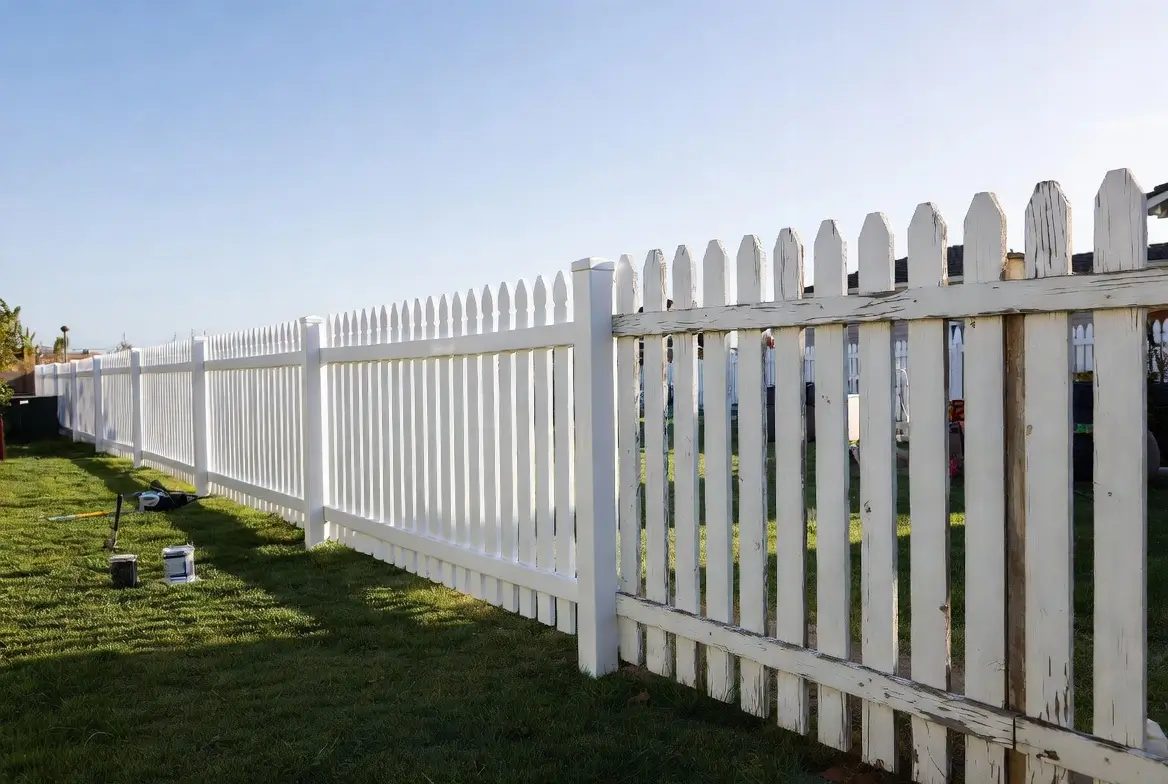
A fence doesn’t always need to be completely replaced. In many cases, replacing a few damaged sections can restore both its appearance and strength.
Common signs your fence needs attention include:
- Leaning fence sections
- Loose or broken fence posts
- Missing pickets or panels
- Gates that won’t latch
- Rotting wood
- Rusted chain-link components
- Cracked vinyl panels
- Storm or wind damage
If more than 30-40% of the fence is damaged or the posts have failed throughout the entire fence line, replacement is often the better long-term investment.
What Causes Fence Damage?
Homeowners are often surprised that fences usually fail from the ground up rather than from the top.
The most common causes include:
Moisture
Wood absorbs water over time, leading to rot and insect damage.
Freeze-Thaw Cycles
Michigan winters cause the soil to expand and contract, pushing fence posts out of alignment.
High Winds
Strong storms place tremendous pressure on fence panels, especially privacy fences.
Poor Installation
Fence posts that aren’t set deep enough or properly secured with concrete tend to lean after only a few seasons.
Age
Even quality fences eventually wear out from years of exposure to rain, snow, UV rays, and temperature changes.
Should I Repair My Fence or Replace It?
This is one of the most common homeowner questions.
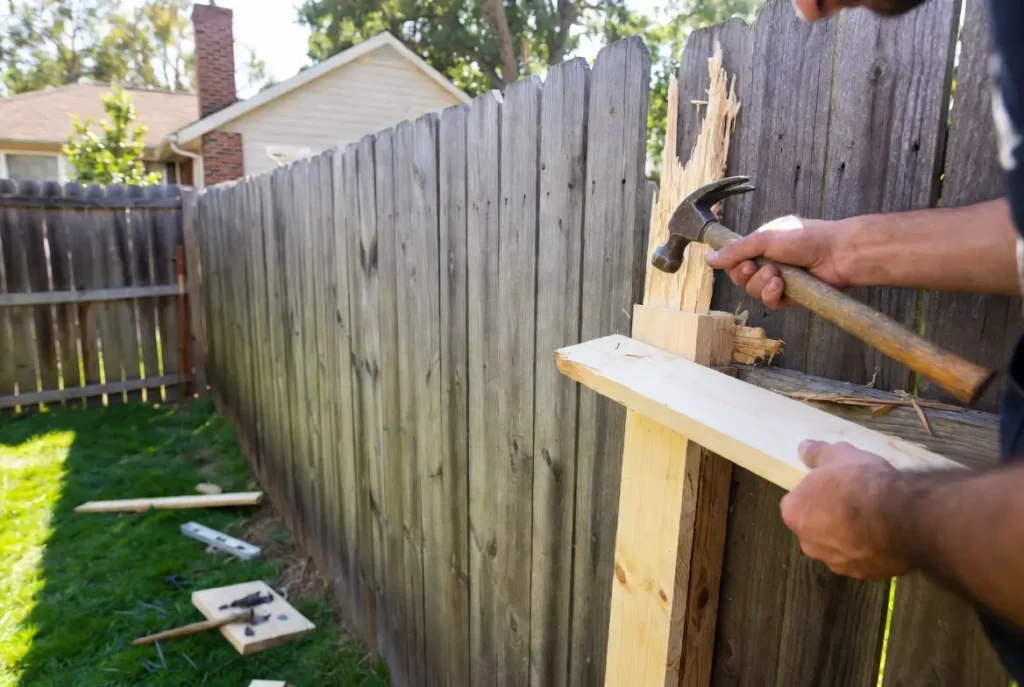
Repairing your fence makes sense if:
- Only a few boards are damaged
- One or two posts have shifted
- The gate needs adjustment
- Storm damage is limited
- Most of the fence remains structurally sound
Replacement is usually recommended if:
- Multiple sections are leaning
- Posts are rotted throughout the yard
- The fence is over 20 years old
- Repairs would cost nearly as much as replacement
A professional inspection can help determine the most cost-effective solution.
Which Fence Material Is Best?
Every homeowner has different priorities.
Wood Fencing
Wood remains one of the most popular fencing materials.
Advantages include:
- Natural appearance
- Excellent privacy
- Easy to customize
- Can be painted or stained
- Affordable upfront
Considerations:
- Requires maintenance
- May rot if neglected
- Needs occasional staining or sealing
Vinyl Fencing
Vinyl fencing has become increasingly popular because of its low maintenance.
Benefits include:
- Never needs painting
- Won’t rot
- Resistant to insects
- Easy to clean
- Long lifespan
Drawbacks:
- Higher initial cost
- May crack under severe impact
Chain-Link Fencing
Chain-link fencing is an excellent option for homeowners focused on security and durability.
Advantages:
- Affordable
- Long-lasting
- Minimal maintenance
- Ideal for pets
- Fast installation
Privacy slats can also be added if desired.
How Long Does Fence Installation Take?
Most residential fence installations take between one and three days.
The timeline depends on:
- Fence length
- Material selected
- Property slope
- Existing fence removal
- Weather conditions
- Utility marking requirements
Larger custom projects may require additional time.
Can Fence Posts Be Repaired?
Sometimes.
If the post is loose but still structurally sound, it may be reset in new concrete.
However, posts that are:
- Rotten
- Split
- Severely cracked
- Rusted through
usually need replacement.
Since fence posts support the entire structure, they’re one of the most important components of the fence.
Why Is My Fence Leaning?
A leaning fence usually indicates a problem below ground.
Common causes include:
- Rotting wood posts
- Loose soil
- Improper installation
- Frost movement
- Broken concrete footings
- Wind damage
Replacing only the affected posts often restores the fence without replacing the entire system.
Can One Fence Panel Be Replaced?
Yes.
Homeowners don’t always need an entirely new fence.
Individual panels, pickets, rails, and gates can often be replaced while keeping the rest of the fence intact.
This is especially common after:
- Storm damage
- Vehicle impacts
- Fallen trees
- Lawn equipment accidents
What Maintenance Does a Fence Need?
Proper maintenance dramatically extends fence life.
Wood Fence Maintenance
- Clean annually
- Apply stain or sealant every few years
- Replace damaged boards quickly
- Trim vegetation away
- Check posts for movement
Vinyl Fence Maintenance
- Wash with soap and water
- Inspect for cracks
- Tighten hardware
Chain-Link Fence Maintenance
- Remove rust spots
- Lubricate gate hinges
- Tighten loose hardware
- Repair bent rails
Routine maintenance helps prevent expensive repairs later.
How Deep Should Fence Posts Be?
Most residential fence posts should extend approximately one-third of their total length into the ground.
In Michigan, posts are often installed deeper to account for frost depth and improve stability during seasonal freezing and thawing.
Proper post depth is one of the biggest factors in preventing leaning fences.
Can I Install a Fence During Winter?
Yes.
Fence installation is possible year-round.
Winter installations may actually offer advantages:
- Faster scheduling
- Less lawn disruption
- Ready before spring landscaping
- Cooler working conditions
Frozen ground can sometimes slow installation, but experienced contractors can work through most winter conditions.
Do I Need a Permit for a Fence?
Permit requirements vary by city and township.
Many municipalities regulate:
- Fence height
- Property setbacks
- Corner visibility
- Pool fencing
- Materials
It’s always a good idea to verify local requirements before construction begins.
How Long Does a Fence Last?
Average lifespan varies by material.
Wood Fence
15–25 years with proper maintenance.
Vinyl Fence
20–30 years or more.
Chain-Link Fence
20–35 years depending on coating and maintenance.
Professional installation and routine care can significantly extend these timelines.
Will a New Fence Increase Home Value?
For many homeowners, yes.
A quality fence can improve:
- Privacy
- Safety
- Pet containment
- Security
- Curb appeal
- Buyer interest
While a fence may not recover every dollar spent, it often makes a home more attractive to potential buyers.
What Should Homeowners Look for in a Fence Contractor?
Choosing the right contractor is just as important as choosing the right material.
Look for a company that:
- Explains repair versus replacement honestly
- Uses quality materials
- Installs posts correctly
- Provides clear pricing
- Communicates throughout the project
- Has experience with Michigan weather conditions
A properly installed fence should remain straight, secure, and functional for many years.
Frequently Asked Questions
How much does fence repair usually cost?
Costs depend on the type of fence, the extent of the damage, and whether posts, panels, or gates need repair. Minor fixes are generally much less expensive than replacing an entire fence.
Which fence lasts the longest?
Vinyl and chain-link fences typically last longer than wood because they resist rot and insect damage. Wood fences can also last for decades with regular maintenance.
Can a leaning fence be straightened?
Yes. If the posts are still in good condition, they can often be reset or reinforced without replacing the entire fence.
Is it cheaper to repair or replace a fence?
Repairs are usually the most affordable option when the damage is limited. If the fence has widespread deterioration or multiple failing posts, replacement may save money over time.
What is the best fence for pets?
Chain-link fences are durable and cost-effective, while wood and vinyl privacy fences provide additional security and help reduce distractions for dogs.
Professional Fence Repair & Installation You Can Count On
Whether you need a few damaged boards replaced, a leaning fence repaired, or a completely new wood, vinyl, or chain-link fence installed, professional workmanship makes all the difference. Quality materials, properly installed posts, and careful attention to detail help ensure your fence stands up to Michigan’s changing seasons while protecting your home and enhancing its appearance for years to come.