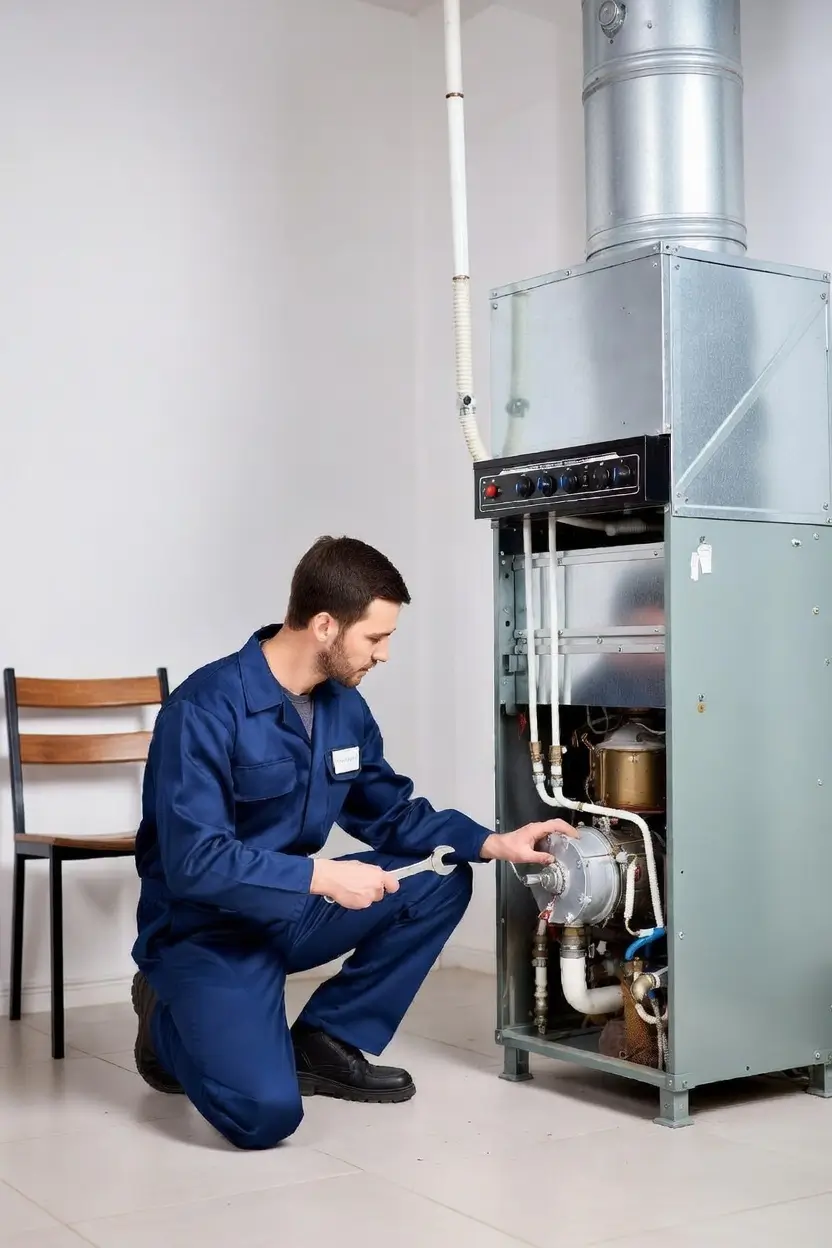
Furnace Repair Handyman: Questions Homeowners Ask Before Hiring Help
Get Reliable Furnace Repairs Today
Our experienced handyman team can handle thermostat issues, electrical faults, and minor furnace repairs quickly. Ensure your heating system is safe and working efficiently all winter.
Schedule Your Service – Call 313-254-6072If your heating system isn’t working properly, one of the first questions you might ask is: Can a handyman handle furnace repair?
The answer depends on the issue, the complexity of the system, and the experience of the person performing the repair. Below, we break down the most common homeowner questions about furnace repair handyman services so you can make the right decision.
What Does a Furnace Repair Handyman Actually Do?
A furnace repair handyman typically handles minor to moderate heating system issues that don’t require full system redesign or major gas line work.
Common tasks may include:
- Replacing thermostats
- Swapping air filters
- Fixing loose wiring
- Replacing ignition components
- Cleaning flame sensors
- Repairing minor blower issues
- Replacing belts on older systems
For homeowners dealing with basic operational problems, a skilled handyman can often restore heat without the higher cost of a full HVAC contractor visit.
However, large-scale gas valve replacements, heat exchanger failures, or full furnace installations usually require licensed HVAC technicians.
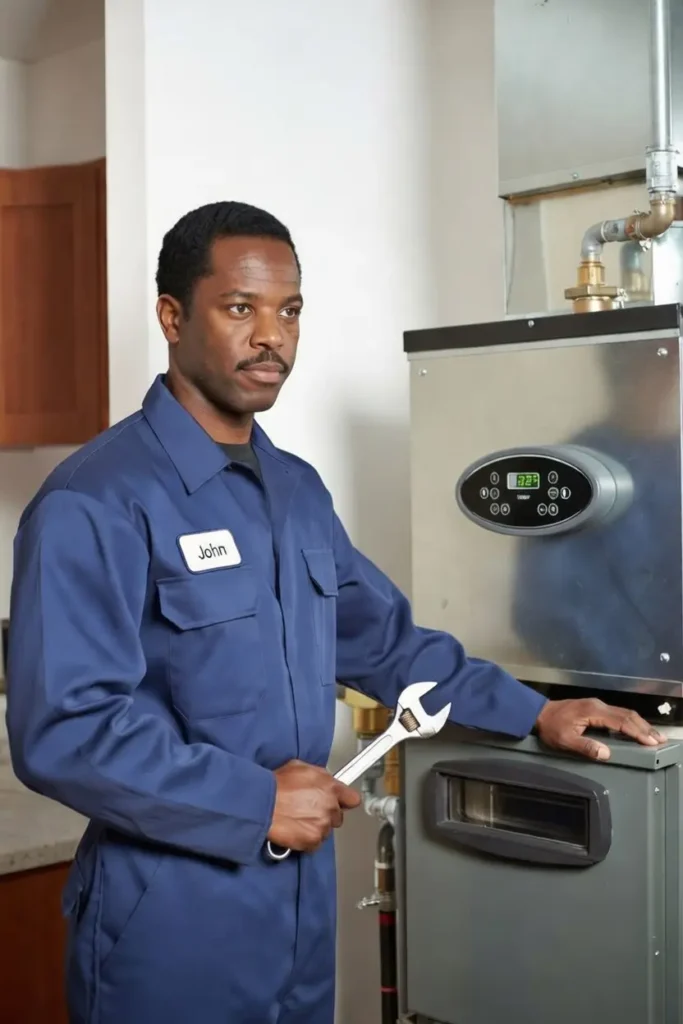
When Should You Call a Furnace Repair Handyman?
A handyman is often a good fit when:
- The furnace turns on but isn’t heating properly
- The thermostat isn’t responding
- The system cycles on and off frequently
- Airflow feels weak
- The blower runs continuously
- You hear unusual noises
If the furnace is still functioning but performing poorly, a handyman can diagnose many of these issues efficiently.
Can a Handyman Legally Repair a Furnace?
This depends on local regulations. In many areas, minor repairs that don’t involve modifying gas lines or installing new systems are permitted. However, major gas-related repairs or full system replacements may require specialized licensing.
Before hiring anyone, ask:
- Are you experienced with furnace systems?
- What types of repairs do you handle?
- Do you work on gas and electric furnaces?
Clear communication avoids misunderstandings later.
What Are the Most Common Furnace Problems a Handyman Fixes?
1. Dirty Flame Sensor
A dirty flame sensor prevents the furnace from staying lit. Cleaning it is quick and inexpensive.
2. Faulty Thermostat
If your thermostat is malfunctioning, replacing or rewiring it is a straightforward job.
3. Blown Fuse
Many furnaces include a small control board fuse. Replacing it can restore operation instantly.
4. Clogged Air Filter
Restricted airflow causes overheating and short cycling.
5. Loose Electrical Connections
Vibration over time can loosen wires, causing intermittent shutdowns.
These are all repairs well within the scope of an experienced handyman.
How Much Does Furnace Repair by a Handyman Cost?
Costs vary based on the issue, but handyman furnace repair is typically more affordable for smaller jobs.
Factors affecting cost include:
- Complexity of the repair
- Parts required
- Age of the system
- Accessibility of the furnace
Minor repairs may be significantly less expensive than full HVAC service calls.
Is It Safe to Hire a Handyman for Furnace Repair?
Safety depends on the individual’s experience and the nature of the repair.
Gas furnaces involve:
- Combustion systems
- Electrical wiring
- Safety switches
- Venting components
If the issue involves gas leaks, cracked heat exchangers, or major control board failures, a licensed HVAC technician may be the safer choice.
For smaller electrical or mechanical issues, a qualified handyman can often resolve the problem safely.
What Are the Signs You Need Furnace Repair?
You may need furnace repair if you notice:
- Cold air blowing from vents
- Furnace won’t turn on
- Thermostat blank or unresponsive
- Loud banging or rattling sounds
- Burning smells
- Short cycling
Ignoring these signs can lead to larger failures later.
Can a Handyman Replace a Furnace?
Generally, full furnace replacement requires specialized licensing and permits in most jurisdictions. Installation involves:
- Gas line connections
- Venting compliance
- Combustion testing
- Electrical integration
A handyman may assist with removal or related carpentry tasks, but full installation is usually beyond scope.
What About Emergency Furnace Repair?
If your heat stops working in freezing temperatures, speed matters.
A handyman who offers emergency furnace repair can address common problems quickly, such as:
- Ignition failures
- Thermostat issues
- Blower motor malfunctions
- Electrical interruptions
For critical system failures, immediate professional evaluation is necessary to protect your home from freezing damage.
How Do You Know If the Furnace Is Beyond Repair?
Signs replacement may be necessary:
- Furnace older than 15–20 years
- Frequent breakdowns
- Rising energy bills
- Major component failure
- Cracked heat exchanger
In these cases, investing in a new system may be more cost-effective long-term.
What Questions Should You Ask Before Hiring?
To ensure you’re hiring the right professional, ask:
- How much experience do you have with furnace systems?
- What types of repairs do you perform?
- Do you troubleshoot electrical components?
- Can you diagnose thermostat and control board issues?
- Do you guarantee your work?
Clear expectations protect both parties.
How Does Furnace Troubleshooting Work?
A thorough diagnostic typically includes:
- Checking thermostat settings
- Verifying power supply
- Testing transformer output
- Inspecting fuses
- Cleaning flame sensor
- Testing blower motor
- Checking safety switches
Proper troubleshooting prevents unnecessary part replacement.
Can Regular Maintenance Prevent Repairs?
Absolutely.
Annual furnace maintenance can:
- Extend system lifespan
- Improve efficiency
- Reduce breakdown risk
- Catch electrical issues early
- Keep airflow balanced
Routine service is cheaper than emergency repair.
Is Electric Furnace Repair Different?
Yes.
Electric furnaces:
- Do not use gas
- Rely heavily on heating elements
- Depend on sequencers and relays
Handymen experienced in electrical systems may be well-suited for diagnosing electric furnace issues.
What About Gas Furnace Repairs?
Gas furnaces require careful attention to:
- Ignition systems
- Gas valves
- Flame sensors
- Draft motors
- Venting systems
Some repairs are straightforward, while others require advanced HVAC certification.
Why Do Furnaces Fail During Winter?
Heavy use exposes weaknesses in:
- Electrical connections
- Aging components
- Transformers
- Blower motors
When temperatures drop, systems run longer cycles, increasing stress on components.
Can DIY Furnace Repair Save Money?
Minor tasks like replacing filters are safe. However:
- Electrical work carries risk
- Gas systems require caution
- Incorrect wiring can damage control boards
DIY attempts often lead to larger repair bills if done incorrectly.
What Makes a Good Furnace Repair Handyman?
Look for someone who:
- Understands HVAC basics
- Has electrical troubleshooting experience
- Works methodically
- Communicates clearly
- Prioritizes safety
Experience matters more than speed.
How Long Does Furnace Repair Take?
Most common repairs take:
- 30–90 minutes for minor fixes
- 1–3 hours for moderate repairs
Complex electrical or component failures may require additional time.
Should You Repair or Replace?
The decision depends on:
- Age of the furnace
- Frequency of repairs
- Cost of replacement parts
- Energy efficiency
If repair costs approach half the price of replacement, upgrading may be worth considering.
How Do You Troubleshoot a Furnace That Won’t Start?
When a furnace won’t start, it’s important to follow a systematic approach. Handymen typically begin by checking the simplest components first:
- Thermostat settings – ensure it’s set to “heat” and the temperature is higher than the current room temperature.
- Power supply – confirm the furnace switch is on and the circuit breaker hasn’t tripped.
- Control board fuses – a blown fuse can cut power to the thermostat.
- Flame sensor – a dirty sensor prevents ignition.
By starting with these basic checks, many minor issues can be resolved without replacing expensive components.
What Causes a Furnace to Turn On But Blow Cold Air?
A common complaint is a furnace that runs but only blows cold air. Causes include:
- Gas supply issues – low gas pressure or a closed valve can prevent proper combustion.
- Ignition failure – the pilot light or electronic igniter may not be working.
- Clogged filters or ducts – restricted airflow can prevent heat from reaching vents.
- Faulty limit switch – shuts the system down to prevent overheating, even if the blower is running.
Handymen often resolve these problems quickly by checking airflow and ignition components.
Can a Handyman Inspect the Furnace Safely?
Safety is critical when working with heating systems. A handyman skilled in furnace repair will:
- Turn off power before accessing electrical components
- Use a multimeter to verify voltage and circuit continuity
- Inspect wiring for corrosion or damage
- Check for gas leaks (if trained and licensed)
- Test safety switches and limit controls
Proper inspections prevent further damage and protect homeowners from electrical or gas hazards.
How Often Should You Service Your Furnace?
Routine maintenance prevents unexpected breakdowns. Most experts recommend annual service before the heating season begins. Service includes:
- Cleaning the flame sensor and burners
- Checking gas and electrical connections
- Inspecting and lubricating the blower motor
- Testing the thermostat and control board
- Replacing air filters
Handyman repair visits can often include maintenance tasks along with minor repairs, keeping your furnace running reliably.
What Are the Advantages of Hiring a Local Handyman for Furnace Repair?
- Affordability – Handymen typically charge less than licensed HVAC contractors for minor repairs.
- Speed – Local handyman services often respond quickly to same-day service requests.
- Versatility – A handyman can handle related household repairs at the same visit.
- Personal Service – Many local handymen build trust through repeat visits and consistent communication.
This combination makes hiring a handyman a cost-effective option for smaller furnace issues.
What Tools Do Handymen Use for Furnace Repair?
A properly equipped handyman will have:
- Multimeter for voltage testing
- Screwdrivers and nut drivers for panel access
- Wire strippers and electrical tape for minor wiring fixes
- Cleaning brushes for flame sensors and burners
- Basic plumbing tools for condensate drain checks
Having the right tools ensures repairs are done safely, efficiently, and correctly.
Are Replacement Parts Readily Available?
For most minor repairs, replacement parts are easy to source, including:
- Thermostats and wiring
- Fuses and relays
- Blower belts and motors
- Flame sensors and igniters
Handymen often carry common parts or can quickly obtain them from local suppliers, reducing downtime.
How to Know if You Need Professional HVAC Help Instead
Some furnace issues go beyond a handyman’s scope. Seek a licensed HVAC technician if you notice:
- Persistent gas smells
- Cracks in the heat exchanger
- Repeated blower or control board failures
- System older than 15–20 years with frequent issues
Handymen can usually identify these red flags and advise homeowners when professional intervention is necessary.
Why Fast Furnace Repair Matters
Delaying furnace repair can lead to:
- Increased energy bills
- Risk of frozen pipes
- Worsening component damage
- Reduced comfort during cold weather
A prompt visit from a qualified handyman ensures minor problems don’t escalate into costly emergencies.
Is a Furnace Repair Handyman the Right Choice?
Hiring a furnace repair handyman can be a smart, cost-effective solution for many heating problems. Minor electrical issues, thermostat failures, airflow problems, and routine maintenance are often well within scope.
However, major gas system modifications, heat exchanger failures, or full installations typically require licensed HVAC specialists in Michigan.
The key is matching the complexity of the problem with the right professional.
If your furnace isn’t working correctly, start by identifying the symptoms. Ask clear questions. Understand the scope of the repair. And choose someone with the right experience for your specific issue.
When done correctly, furnace repair doesn’t have to be complicated — and in many cases, the right handyman can restore comfort quickly and affordably.
Need Furnace Repair Fast?
If your heating system isn’t working properly, our local handyman team can troubleshoot and repair your furnace quickly and safely. Don’t wait until your home gets cold.
Call 313-254-6072 Now