Furnace Tune Up: Questions Homeowners Ask Before Winter
Is Your Furnace Ready for Winter?
A professional furnace tune up can prevent breakdowns, improve efficiency, and keep your home warm when temperatures drop. Our local handyman team can inspect and tune your heating system to ensure it runs safely and reliably.
Call 313-254-6072When temperatures drop, the last thing any homeowner wants is a furnace that suddenly stops working. Many heating problems can be avoided with a simple furnace tune up from a handyman. Regular maintenance keeps your system efficient, reliable, and safe throughout the cold months.
Below are common questions homeowners ask about furnace tune ups and how they help prevent expensive repairs.
What Is a Furnace Tune Up?
A furnace tune up is a preventative maintenance service designed to ensure your heating system runs properly before the heavy winter season begins.
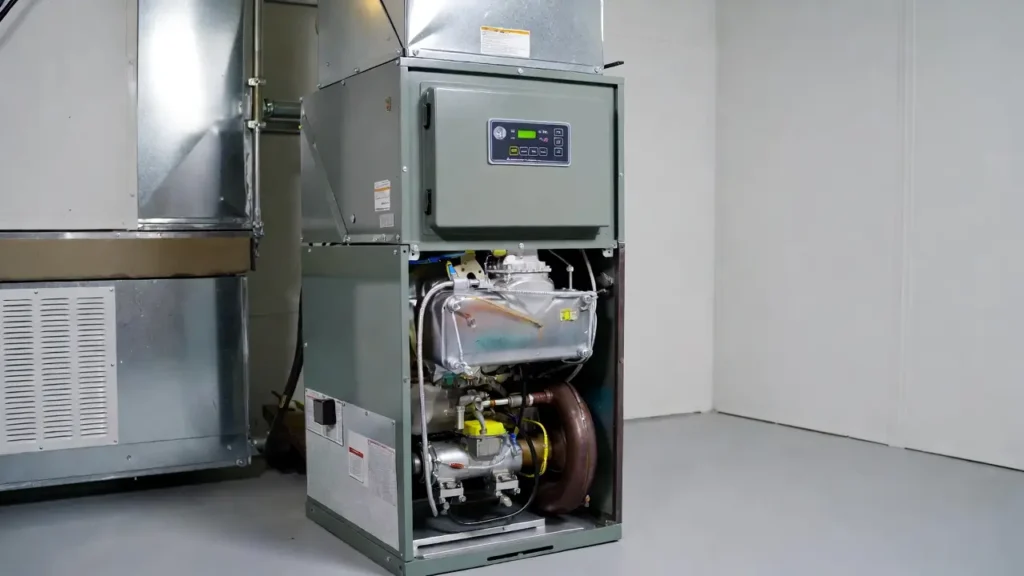
During a typical tune up, several components of the furnace are inspected, cleaned, and tested. This helps identify small issues before they turn into costly breakdowns.
A tune up typically includes:
- Inspecting the thermostat
- Checking electrical connections
- Cleaning the flame sensor
- Testing the ignition system
- Inspecting the blower motor
- Checking airflow and filters
- Verifying safety controls
These steps help ensure your furnace operates safely and efficiently.
Why Is a Furnace Tune Up Important?
Many homeowners wait until something breaks before calling for service. Unfortunately, that approach can lead to expensive emergency repairs.
A furnace tune up helps:
- Prevent unexpected breakdowns
- Improve heating efficiency
- Extend the lifespan of your furnace
- Reduce energy bills
- Improve indoor comfort
Routine maintenance also helps identify worn parts early so they can be repaired before they cause a complete system failure.
How Often Should a Furnace Be Tuned Up?
Most heating professionals recommend scheduling a furnace tune up once per year.
The best time for a tune up is in the early fall, before the heating season begins. This ensures the system is ready when colder temperatures arrive.
Annual maintenance also allows technicians to monitor wear and tear over time, helping homeowners plan for future repairs or replacement.
What Happens If You Skip Furnace Maintenance?
Skipping furnace maintenance can lead to several problems.
Without regular cleaning and inspection:
- Dust and debris can build up inside the system
- Airflow may become restricted
- Electrical components may loosen over time
- Ignition systems may fail unexpectedly
These issues can cause the furnace to run inefficiently or stop working entirely during the coldest part of winter.
Preventative maintenance helps avoid these problems before they become serious.
What Are the Signs Your Furnace Needs a Tune Up?
Even if your furnace is still running, certain warning signs may indicate it needs maintenance.
Common signs include:
- Uneven heating throughout the house
- Furnace cycling on and off frequently
- Unusual noises from the furnace cabinet
- Higher-than-normal energy bills
- Weak airflow from vents
These issues often develop slowly and can usually be resolved during a furnace tune up.
Can a Furnace Tune Up Improve Energy Efficiency?
Yes. One of the biggest benefits of furnace maintenance is improved efficiency.
Over time, dust and debris accumulate inside heating systems. This buildup forces the furnace to work harder to produce the same amount of heat.
Cleaning critical components like burners, flame sensors, and blower motors allows the system to operate more efficiently. This can reduce energy consumption and lower monthly heating costs.
What Parts of the Furnace Are Checked During a Tune Up?
A comprehensive furnace tune up includes inspection of several key components.
These include:
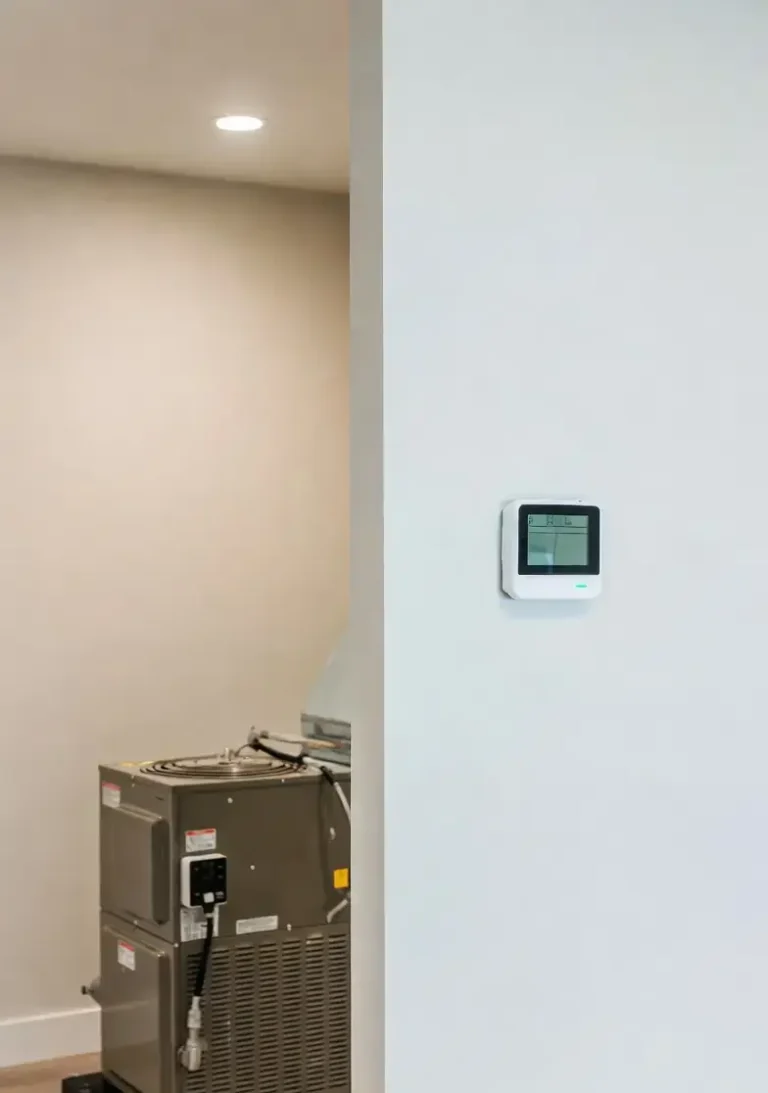
Thermostat
The thermostat is tested to ensure it communicates correctly with the furnace.
Flame Sensor
A dirty flame sensor can prevent the furnace from staying lit. Cleaning it helps maintain reliable ignition.
Blower Motor
The blower circulates warm air through the home. Inspecting and cleaning the blower helps maintain strong airflow.
Air Filters
Clogged filters restrict airflow and reduce efficiency. Replacing them improves system performance.
Electrical Components
Loose wires or worn electrical parts can cause system failure. Checking these components ensures safe operation.
Can a Tune Up Prevent Furnace Repairs?
While maintenance cannot prevent every possible repair, it significantly reduces the likelihood of major problems.
Many furnace failures occur because small issues were ignored for too long. For example:
- A dirty flame sensor can stop the furnace from igniting
- A clogged filter can cause overheating
- Loose wiring can interrupt power to the system
During a tune up, these issues are identified and corrected before they cause a breakdown.
Is a Furnace Tune Up Worth the Cost?
For most homeowners, the answer is yes.
Preventative maintenance is typically much cheaper than emergency repairs. A simple tune up can identify minor issues that may only cost a small amount to fix.
Without maintenance, those same issues could lead to major component failures that require expensive repairs or even furnace replacement.
Regular tune ups protect your heating investment and help your system last longer.
How Long Does a Furnace Tune Up Take?
Most furnace tune ups take between 45 minutes and 90 minutes, depending on the type of system and its condition.
During this time, the technician inspects components, cleans internal parts, and verifies that the system operates safely.
The goal is to ensure your furnace is fully prepared for months of continuous winter use.
Can Homeowners Perform Furnace Maintenance Themselves?
Homeowners can perform some basic maintenance tasks, such as:
- Replacing air filters regularly
- Keeping vents and registers clear
- Checking thermostat settings
However, deeper inspection and cleaning should be performed by someone experienced with furnace systems. Heating systems involve electrical components, combustion processes, and safety switches that require proper knowledge to service safely.
What Happens If a Problem Is Found During the Tune Up?
If an issue is discovered during the inspection, the technician will explain the problem and recommend the best solution.
Common repairs identified during tune ups include:
- Replacing worn ignition components
- Tightening electrical connections
- Cleaning burners or sensors
- Replacing damaged wiring
Addressing these problems early prevents larger system failures later in the winter.
Why Preventative Furnace Care Matters
Furnaces often run for months at a time during the winter season. Without proper maintenance, the constant operation can place significant strain on components.
Routine tune ups ensure that:
- Airflow remains balanced
- Electrical systems function properly
- Ignition components operate safely
- The system heats the home efficiently
By maintaining your furnace regularly, you reduce the risk of unexpected heating problems during cold weather.
Final Thoughts on Furnace Tune Ups
A furnace tune up is one of the simplest and most effective ways to protect your home’s heating system. Regular maintenance improves efficiency, prevents breakdowns, and ensures safe operation throughout the winter.
Instead of waiting for a heating emergency, scheduling a tune up before the season begins helps ensure your furnace is ready to keep your home warm when you need it most.
One thing many homeowners don’t realize is that dust buildup inside a furnace can dramatically affect how well the system performs. Over time, dirt collects on burners, inside the blower assembly, and around internal components. When these parts become coated with debris, the furnace has to work harder to generate and circulate heat. A proper tune up includes cleaning these areas so the system can operate efficiently again. Removing that buildup not only improves performance but also reduces unnecessary strain on the furnace.
Inspecting With The Furnace Tune Up
Another important part of a furnace tune up is inspecting electrical connections. Furnaces rely on several electrical components to start, regulate temperature, and safely operate. Loose wiring, worn connections, or failing relays can interrupt the heating cycle or cause the furnace to shut down unexpectedly. During maintenance, these connections are checked and tightened if necessary. Ensuring the electrical system is stable helps prevent sudden heating failures during the coldest parts of the year.
Thermostat communication is also something that is often evaluated during furnace maintenance. The thermostat acts as the command center for the heating system, signaling the furnace when to turn on and off. If the thermostat isn’t calibrated correctly or if there are wiring issues, the furnace may not respond properly. This can result in inconsistent temperatures or a system that cycles on and off too frequently. A tune up ensures the thermostat and furnace are communicating properly so the home heats evenly and reliably.
Look At The Air Filter
Air filters are another small component that can have a big impact on furnace performance. When filters become clogged with dust and debris, airflow through the furnace becomes restricted. This forces the blower motor to work harder and can even cause the system to overheat. During a tune up, the filter is inspected and replaced if necessary. Maintaining clean filters allows the furnace to move air efficiently throughout the home while also improving indoor air quality.
Many furnace problems start with minor issues that gradually worsen over time. A slightly worn component, small airflow restriction, or minor electrical issue may not cause immediate problems, but these small defects can grow into major failures if left unchecked. Routine maintenance helps identify these early warning signs before they develop into expensive repairs. Catching problems early is one of the main reasons furnace tune ups are recommended each year.
Scheduling The Maintenance
Finally, scheduling regular furnace maintenance gives homeowners peace of mind heading into the winter season. Knowing the heating system has been inspected, cleaned, and tested makes it far less likely that the furnace will fail when temperatures drop. Instead of worrying about unexpected breakdowns, homeowners can rely on their heating system to perform consistently when they need it most. Regular tune ups help keep the furnace dependable, efficient, and ready for the demands of cold weather.
Schedule Your Furnace Tune Up Today
Prevent costly breakdowns and keep your heating system running efficiently all winter. Our experienced handyman team can inspect, clean, and tune your furnace so it operates safely and reliably.
Call 313-254-6072