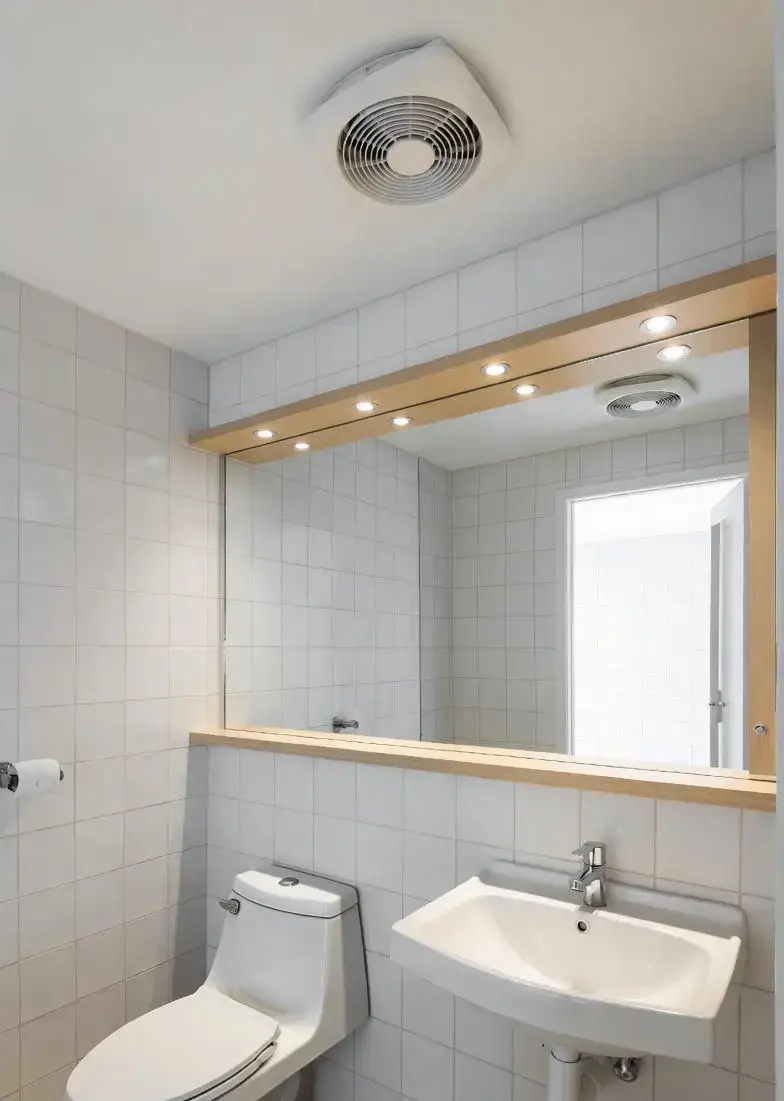
Should You Hire a Plumber or a Handyman to Install Bathroom Fans?
When it comes to home improvements, bathroom fan installation might not sound like a big deal—but it can make or break the comfort and air quality in your home. A proper exhaust fan prevents mold growth, keeps humidity under control, and helps protect paint, drywall, and fixtures from moisture damage.
But here’s the question homeowners in Michigan and across the U.S. often ask: should you hire a plumber or a handyman to install your bathroom fan?
The answer depends on the complexity of the job, the wiring setup, and whether your bathroom ventilation system ties into existing plumbing or HVAC lines. Let’s break down what each professional can offer and when it’s best to call one over the other.
Understanding the Role of Bathroom Fans
Bathroom fans serve one main purpose—to move moist air out of your home. When you take a shower, that hot, humid air rises and condenses on cold surfaces. Over time, this moisture can lead to peeling paint, mildew, mold, and even warped wood trim.
A properly installed fan vents humid air outside through a duct, typically leading to the roof or an exterior wall. Some fans are also equipped with humidity sensors, heaters, or light fixtures, which can complicate the installation process.
If your fan isn’t installed correctly—say, it vents into your attic instead of outdoors—it can cause even more damage. That’s why this is one of those home projects where hiring the right person truly matters.
When a Handyman Can Install Bathroom Fans
A qualified handyman can absolutely install a bathroom fan in certain situations—especially if you already have an existing vent system in place.
If your old fan just needs to be replaced with a newer model, and there’s no need to cut drywall, reroute ductwork, or modify electrical wiring, a handyman can handle the job efficiently and at a lower cost than a licensed plumber or electrician.
Handymen are great for:
- Simple fan replacements where wiring and ducts are already set up.
- Minor drywall repairs or painting after installation.
- Mounting new hardware or light fixtures that accompany your new fan.
However, if the fan needs to be relocated, if the electrical wiring needs upgrades, or if there are any connections to plumbing vents, this is where the handyman’s expertise may not be enough.
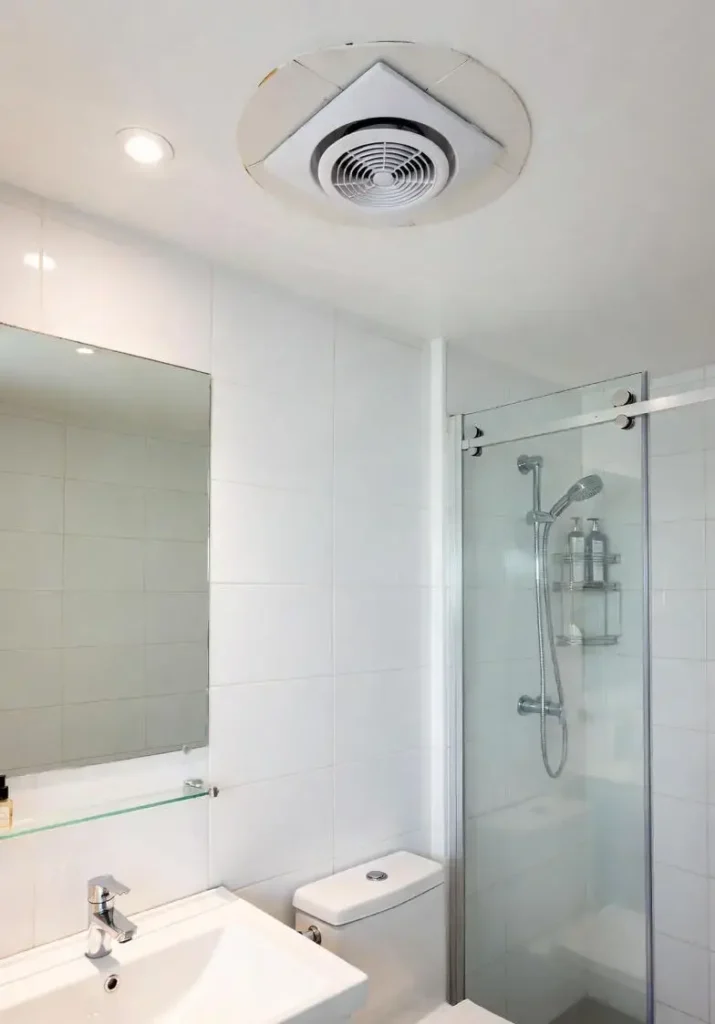
When You Need a Plumber for Bathroom Fan Installation
Many homeowners don’t realize plumbers do more than fix leaks or install toilets—they handle ventilation systems too, especially those connected to moisture control and humidity management.
A licensed plumber in Michigan is the right choice when:
- Your fan installation involves venting through or near plumbing stacks.
- The fan duct needs to pass through areas with water or drain lines.
- You’re remodeling your bathroom and combining the fan installation with new fixtures or piping.
- There’s an odor issue or moisture buildup that may be tied to plumbing ventilation problems.
In short, if the job has any overlap with your plumbing or moisture management systems, it’s worth calling a plumber. They can ensure everything functions together properly and complies with local building codes.
The Electrical Factor: When to Bring in an Electrician
It’s also worth mentioning that bathroom fan installations often require electrical connections—especially if your fan includes lights, heaters, or motion sensors.
Some plumbers and handymen have the proper electrical experience or certification to handle this, but not all. If your bathroom doesn’t currently have a fan, or if new wiring or switches are required, hiring a licensed electrician ensures the job is safe and up to code.
For more complex installations, a plumber and electrician may even collaborate to ensure proper venting and power supply.
Cost Comparison: Handyman vs. Plumber
Cost is often one of the deciding factors for homeowners. A handyman may charge between $100–$250 for a simple replacement job, while a plumber could charge $300–$600 depending on complexity.
If ductwork or electrical wiring needs modification, expect the total cost to rise. However, paying for a professional plumber often saves you from future repair costs if the installation is done incorrectly.
Improperly vented fans can cause water damage, mold growth, or code violations—issues that can cost thousands to fix later on.
Why Homeowners in Michigan Often Choose Plumbers
In places like Detroit, Novi, and Macomb, where homes experience fluctuating temperatures and humidity, bathroom ventilation is a serious concern.
Michigan’s cold winters make attics a prime spot for condensation buildup. If your fan isn’t properly vented outdoors, moisture from your shower can turn into frost in your attic insulation, which later melts and causes leaks or ceiling stains.
Local plumbers are familiar with Michigan’s building codes and weather-related plumbing challenges. They understand how to properly install and insulate vent ducts to prevent condensation issues—something many handymen may overlook.
DIY vs. Hiring a Professional
While it’s tempting to make bathroom fan installation a DIY project, this job can become complicated fast. You’ll need to deal with electrical wiring, duct routing, cutting drywall, and possibly working in your attic.
If you install the fan incorrectly, you might end up with:
- Moisture venting into your attic instead of outside
- Mold growth and insulation damage
- Electrical hazards from improper wiring
- Voided warranties on your fan or home insurance coverage
If you want peace of mind, it’s almost always better to hire a licensed plumber or qualified handyman depending on the scope of work.
Signs Your Bathroom Fan Needs Replacement
Whether you hire a handyman or plumber, it’s important to know when your old fan needs attention. Here are some signs it’s time for a replacement:
- The fan makes loud rattling or grinding noises
- You notice mold or mildew in the bathroom corners
- The mirror fogs up quickly even when the fan is running
- There’s a musty odor after showers
- Water stains appear on the ceiling above the bathroom
A professional can inspect your fan and determine if a simple repair or full replacement is best.
Choosing the Right Professional
When hiring, ask these key questions:
- Are you licensed and insured for this type of work?
- Will you handle both the duct and electrical portions?
- Do you provide a warranty or guarantee on your installation?
- Can you check for moisture or mold problems while installing the fan?
Reputable professionals will give clear answers and an upfront estimate.
Bottom Line: Who Should You Hire?
If you’re replacing an existing fan and the electrical and ductwork are already in place, a handyman is a cost-effective option.
If you’re remodeling, moving the fan, or dealing with moisture and venting issues, hire a licensed plumber. In Michigan’s humid and often cold climate, proper venting is key to avoiding long-term damage.
When in doubt, call a local plumbing expert—they can diagnose the situation and ensure your bathroom fan is safe, efficient, and compliant with local building standards.
Need a Professional for Bathroom Fan Installation?
Don’t take chances with poor ventilation or wiring. Let a licensed plumber handle it the right way.
Call Now: 844-423-0056