How to Winterize Outdoor Faucets in Detroit
As temperatures start to drop in Detroit, one of the most overlooked but critical home maintenance tasks is winterizing your outdoor faucets. Michigan winters are no joke—freezing temperatures can burst outdoor pipes, flood basements, and cause thousands of dollars in water damage before you even realize there’s a problem.
If you’re a homeowner looking to protect your plumbing, this guide will walk you through exactly how to shut down, drain, and insulate your outdoor water lines before the deep freeze hits.
This is part of our larger fall home maintenance in Detroit series designed to help homeowners prepare their properties before the first frost hits.
Why It’s Important to Winterize Outdoor Faucets
When the temperature falls below freezing, any water left inside your exterior pipes or spigots can expand and burst the line. Even a small crack can cause serious leaks once the ice thaws. The damage might not be obvious until it’s too late—and by then, you’re dealing with drywall damage, foundation issues, or mold growth.
By winterizing your outdoor faucets properly, you’re:
- Preventing pipe bursts and leaks
- Avoiding expensive water damage repairs
- Protecting your home’s plumbing system for the long haul
- Saving money on emergency plumbing calls
In short—this simple 20-minute task can save you a lot of headaches and money during Michigan’s coldest months.

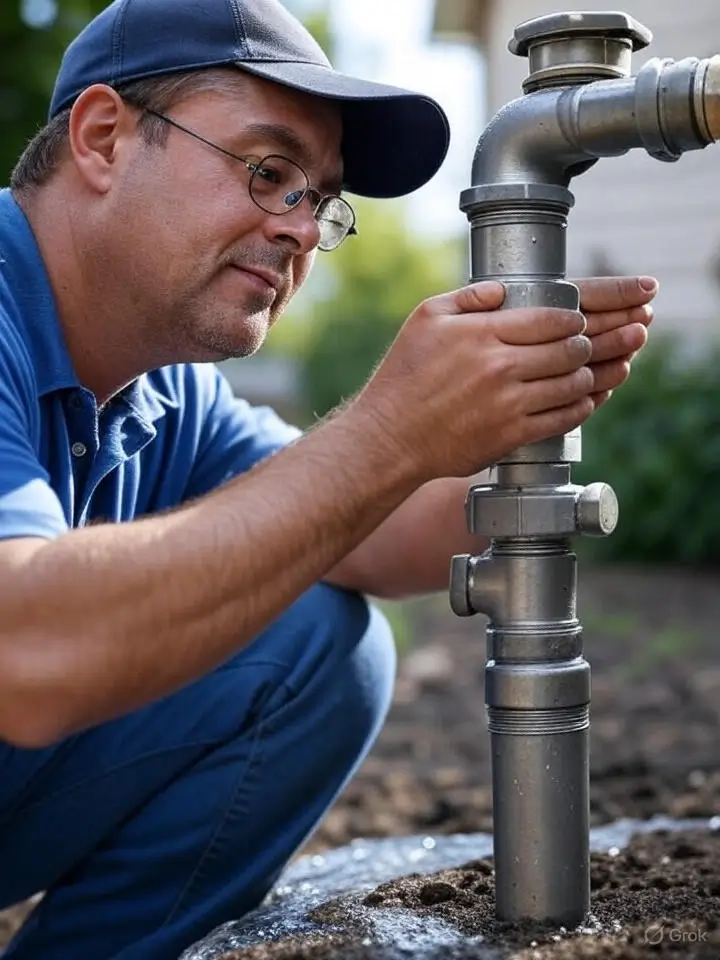
Step-by-Step: How to Winterize Outdoor Faucets in Detroit Homes
Here’s a full walkthrough to help you safely shut down and protect your outdoor water lines before freezing temperatures hit.
1. Locate and Turn Off the Interior Shut-Off Valve
Most Detroit homes have a dedicated shut-off valve inside the basement or utility area that controls the flow to exterior faucets. Turn this valve clockwise until it’s fully closed.
If your home doesn’t have one, consider having a handyman or plumber install a frost-proof shut-off—it’s one of the best long-term winter upgrades you can make.
2. Disconnect and Drain All Garden Hoses
Leaving a hose attached is a rookie mistake. It traps water in the faucet, preventing it from draining properly and increasing the risk of freezing.
Detach all hoses, splitters, and timers. Drain them completely, coil them up, and store them in the garage or shed.
3. Open the Exterior Faucet
Once you’ve shut off the indoor valve, go outside and open the faucet. This allows any remaining water in the line to drain out.
You might hear air being sucked into the pipe—that’s normal and helps release pressure.
4. Drain Remaining Water from the Line
If your faucet has a small bleeder cap near the indoor shut-off valve, open it slightly to release any trapped water between the shut-off and outdoor spigot.
Keep a small bucket or towel handy to catch residual water.
5. Insulate the Faucet and Exposed Pipes
Once it’s dry, protect your faucet from the cold. You can use:
- A foam faucet cover (available at hardware stores for under $5)
- Pipe insulation sleeves or foam tape for any exposed outdoor piping
- Old towels or rags wrapped in plastic for a DIY solution if you’re in a pinch
Insulation keeps cold air from entering your home through the wall cavity and reduces the risk of frozen pipes.
6. Double-Check Before the Freeze
Walk around your property and ensure all outdoor faucets are open and drained, and all hoses are disconnected.
Make this part of your annual fall checklist, ideally before temperatures consistently dip below 35°F.
Signs Your Outdoor Faucet Might Already Be Frozen
If you didn’t get around to winterizing in time, here are a few signs that your faucet or pipes might already be frozen:
- The faucet won’t turn on or produces little to no water.
- You hear gurgling, hissing, or knocking sounds from the pipe.
- You notice frost or condensation near the spigot base or wall.
- There’s water leaking into your basement near the outdoor faucet line.
If you spot any of these, don’t try to force the faucet open—it could rupture the pipe. Instead, turn off the water supply immediately and call a professional handyman or plumber to assess the damage.
Preventative Maintenance Tips for Michigan Homeowners
To stay ahead of the cold and prevent plumbing issues:
- Schedule a fall maintenance inspection with a trusted handyman.
- Add outdoor faucet winterization to your annual checklist (before mid-November).
- Consider installing frost-proof outdoor spigots—a worthwhile investment for older homes in Detroit.
- Keep a small space heater or heat cable on hand for any pipes that run along exterior walls or unheated garages.
When in doubt, it’s better to over prepare. Michigan winters can swing from mild to brutal overnight, so having your plumbing protected is a must.
Why You Should Hire a Professional
Sure, winterizing outdoor faucets can be a simple DIY task—but there’s more to it than just shutting off the valve. Many homeowners forget hidden pipes, basement shut-offs, or improperly sloped lines that can still freeze.
A handyman or plumbing specialist can:
- Inspect for existing leaks or corrosion
- Ensure your shut-off valves are working correctly
- Seal wall penetrations to keep cold air out
- Replace outdated fixtures with frost-resistant ones
In short, hiring a professional ensures the job’s done right the first time—and prevents costly damage later.
Don’t Forget the Rest of Your Outdoor Plumbing
While most people focus on the main hose bibs, many Detroit homeowners forget about other outdoor plumbing connections that can freeze just as easily. If you have an irrigation system, make sure the lines are properly blown out using compressed air. Leaving water in those pipes—even a small amount—can lead to burst lines underground that you won’t notice until spring.
Also, check outdoor kitchens, garage sinks, and utility basins for shutoff valves. These are often fed from the same water line as your outdoor faucet and can cause the same kind of damage if left full. Disconnect any auxiliary hoses, pressure washers, or portable sprinklers as well. Store them indoors so the rubber doesn’t crack or dry out over winter.
Taking a few extra minutes now saves you from a big headache later. Frozen plumbing repairs can easily run hundreds—or even thousands—of dollars once the ground thaws. A little attention before the first freeze ensures your outdoor water systems stay safe, and your spring start-up is as smooth as turning on a tap.
Final Thoughts
Protecting your outdoor faucets is one of the easiest, highest-ROI maintenance tasks you can do as a Detroit homeowner. A few simple steps now can save you hundreds (or even thousands) in repairs this winter.
For more homes prep tips, check out our full Detroit Fall Home Maintenance Checklist (Main Guide) to cover everything from gutter cleaning to furnace checks.
Need Help Winterizing Your Home This Fall?
Don’t risk frozen pipes or water damage this winter. Let our Detroit handyman team handle your outdoor faucet winterization safely and efficiently.
Call Now: 313-351-8635