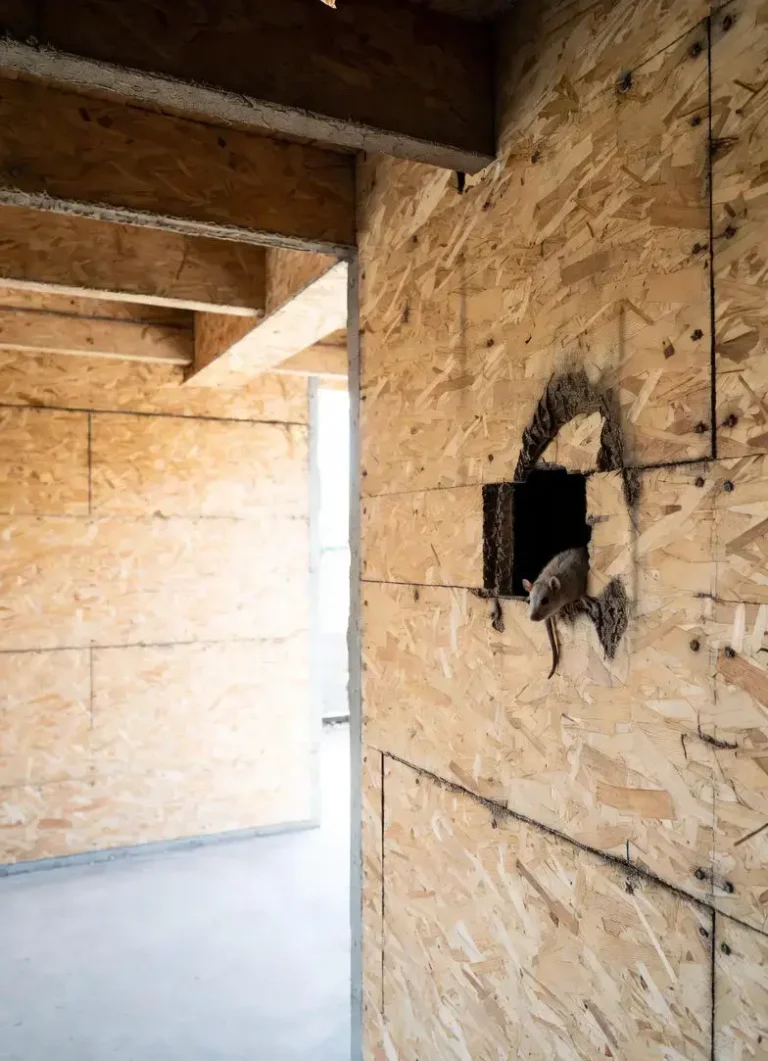
Top 10 Signs You Have a Rodent Problem
🐭 Think You Might Have Rodents?
Don’t wait until it gets worse. Call us now at (313) 422-7926 for a fast inspection and professional rodent removal.
Identify early signs of rodent infestations before they get out of control.
Got scratching in the walls or droppings in the pantry? Don’t wait — call us today at (313) 422-7926 before a small issue turns into a full-blown infestation.
Rodents don’t knock before entering — they slip in through tiny cracks, set up shop, and multiply fast. Whether it’s rats in the attic or mice in the basement, rodent problems can sneak up on homeowners and become expensive to fix. The good news is there are warning signs — clear ones — that show up early if you know what to look for.
In this post, we’ll break down the top 10 signs you have a rodent problem. If you’re searching for how to tell if you have a rodent infestation in your home, this guide will help you catch it early and act fast.
1. Droppings
One of the biggest giveaways. Mice and rats leave small, pellet-shaped droppings behind — often near food, under sinks, or in drawers and cabinets. Fresh droppings are dark and moist. Older ones dry out and crumble easily.
Where to check:
- Along baseboards
- Inside pantries
- Behind appliances
- In garages or attics
If you’re cleaning up droppings regularly, you’ve got more than a one-time visitor and you have a rodent problem and need rodent control.
2. Scratching or Scurrying Noises
If you’re hearing scratching, scampering, or squeaking — especially at night — rodents are likely moving around inside your walls, ceilings, or crawlspaces. Mice are quieter. Rats sound heavier.
Tip: These sounds usually start after dark, when everything else is quiet.
3. Chewed or Gnawed Materials
Rodents chew constantly to keep their teeth from growing too long. That means they’ll gnaw through wood, wires, boxes — whatever they can find.
Look for:
- Gnaw marks on furniture, cardboard, or baseboards
- Damaged food packaging
- Frayed wires (fire hazard)
If you see new chew marks, you’ve got active pests inside. Also known as a rodent problem.
4. Nests and Nesting Materials
Rodents build nests from shredded paper, insulation, fabric, or dried plants. They hide them in quiet places like wall cavities, attics, and behind boxes in storage areas.
Found a pile of shredded stuff in a corner? That’s a rodent nest. You need rodent control for your rodent problem and we are known to handle that.
5. Grease Marks or Smudges
Rodents have oily fur that leaves behind greasy streaks along walls and floor edges. These are often seen in spots they travel frequently.
Check areas like:
- Baseboards
- Wall edges
- Under cabinets
- Entry holes
Smudge trails mean they’re using the same path every night.
6. Unusual Pet Behavior
Pets can often sense rodents before humans do. Your dog might bark at walls or corners. Your cat may obsess over a spot under the fridge.
If your pet is acting weird in one area of the house, don’t ignore it — there might be something moving around that you can’t see.
It’s time to act. Give us a call today: (313) 422-7926
7. Strange Smells
Rodent urine smells sharp and sour — like ammonia. If a room suddenly starts to smell bad and nothing obvious explains it, rodents could be the reason.
The stronger the smell, the worse the infestation. A dead rodent in a wall can stink up a room for days.
8. Visible Rodents (Dead or Alive)
If you see a mouse or rat in the open, you’ve got a problem. Rodents usually hide, so if they’re out during the day, the colony might be overcrowded — or bold.
Finding a dead rodent is just as serious. If one made it in, more are likely nearby
9. Tracks or Footprints
In dusty areas like basements, crawlspaces, or garages, rodents can leave behind footprints or tail marks.
Try sprinkling a little flour or baby powder in suspected areas overnight and check in the morning. If you see prints, you’ve got activity.
10. Holes and Entry Points
Rodents can squeeze through very small openings. Mice can fit through holes the size of a dime. Rats only need a quarter-sized gap.
Look for gaps around:
- Pipes and utility lines
- Foundations
- Rooflines and vents
- Inside cabinets and closets
Finding new holes or gnawed entry points? That’s a red flag.

Why Early Detection Matters
Rodents aren’t just annoying — they’re destructive. They chew through insulation and wires, ruin food, and spread bacteria. And they reproduce fast.
A couple of mice can turn into dozens in just a few months. Don’t let a small problem explode into a full-blown infestation.
What to Do If You See These Signs
If you’ve noticed even 2 or 3 of these signs, you’re likely dealing with an active rodent problem in Detroit Michigan. DIY traps might help in the short term, but if the signs keep coming back, it’s time to call the pros.
Call the Pros Before It Gets Worse
Don’t wait for the problem to get out of hand. Call us today at (313) 422-7926 for fast, professional rodent inspection and removal.
We’ll identify entry points, remove the pests, and help prevent them from coming back. Whether it’s mice, rats, or something else, we’ve got the tools and experience to fix it right the first time.
Rodents are more clever and agile than most people give them credit for. They can:
- Climb brick walls and siding
- Squeeze under doors with tiny gaps
- Chew through soft materials like plastic and wood
- Swim through sewer pipes and enter through toilets (yes, really)
Some of the most common entry points include:
- Gaps around doors and windows
- Vents without proper covers
- Cracks in the foundation
- Openings where pipes or cables enter the home
- Damaged soffits or roof vents
Mice only need a hole about 1/4 inch wide — the size of a pencil. Rats need slightly more space, about 1/2 inch. That means even a small, unnoticed crack is an open door to a rodent.
Why You Should Take Rodents Seriously
Many homeowners see a mouse and think, “It’s just one — no big deal.” Big mistake. Rodents are not just annoying; they’re destructive and dangerous.
Here’s what rodents bring with them:
- Disease: Rodents carry bacteria and viruses like salmonella, leptospirosis, and hantavirus.
- Allergies and Asthma: Their droppings and urine can trigger severe allergic reactions, especially in kids.
- Structural Damage: They chew through wood, insulation, drywall, and even metal.
- Fire Risk: Chewed electrical wires are a major cause of house fires.
- Food Contamination: Once a rodent gets into your pantry, every open bag or box is suspect.
Rodents don’t leave quietly. The longer they stay, the more damage they cause.
Common Rodents You Might Be Dealing With
Not all rodents are the same. Here are the ones most homeowners encounter:
House Mice
- Small (about 2–4 inches not including the tail)
- Light brown or gray
- Leave small, pointed droppings
- Excellent climbers and jumpers
Norway Rats
- Large (up to 9 inches long)
- Heavy bodies, coarse brown fur
- Like basements, garages, and crawl spaces
- Tend to burrow
Roof Rats
- Slimmer than Norway rats
- Darker in color, with long tails
- Prefer attics, walls, and upper levels
- Great climbers — often enter from the roof
Squirrels
While not usually considered pests, squirrels can be just as destructive when they get into attics or wall cavities. They chew constantly and can cause major electrical damage.
Prevention: How to Keep Rodents Out
If you don’t already have rodents, great — now keep it that way. Prevention is your best weapon. With the proper rodent control you won’t have a rodent problem anymore.
Seal Entry Points
- Use steel wool, copper mesh, or caulk to seal small gaps.
- Install door sweeps on exterior doors.
- Cover vents and chimneys with metal mesh.
- Inspect your roofline and foundation at least twice a year.
Eliminate Food Sources
- Store food in sealed plastic or glass containers.
- Keep pet food in containers with lids — don’t leave it out overnight.
- Wipe down counters and sweep floors daily.
- Take the trash out regularly and use bins with tight-fitting lids.
Remove Nesting Materials
- Store fabrics, paper, and cardboard off the floor and in sealed bins.
- Keep firewood stacked at least 20 feet from the house.
- Trim bushes and trees that touch or overhang your roof.
Maintain Your Yard
- Keep grass trimmed and clean up leaf piles.
- Avoid overwatering, which can attract insects and rodents.
- Check sheds, garages, and outdoor kitchens for droppings or chew marks.
DIY vs. Professional Rodent Control
You might be thinking: “Can I handle this on my own?” The answer depends on the scale of the rodent problem.
DIY Rodent Control:
- Snap traps, glue boards, and bait stations can work for minor issues.
- You’ll need to place them strategically near signs of activity.
- It may take weeks of checking, rebaiting, and disposal.
A professional will do more than just set traps — they’ll inspect your home, identify entry points, clean contaminated areas, and put prevention measures in place.
Rodent Myths That Need Busting
Let’s clear up a few common rodent myths that confuse homeowners:
Myth 1: “If I see one mouse, it’s probably just a stray.”
Wrong. Mice are social and breed rapidly. Seeing one usually means several more are hiding.
Myth 2: “Cats can solve my mouse problem.”
Maybe for one or two mice, but they’re no match for an actual infestation. Plus, rodents can hide where cats can’t reach.
Myth 3: “Clean houses don’t get rodents.”
Rodents don’t care if your home is spotless. They’re after food, warmth, and shelter — which even clean homes offer.
Ready to Kick Rodents Out for Good?
We handle inspections, removal, and prevention — so you don’t have to. Don’t let rodents damage your home or health.
📞 Call Now: (313) 422-7926