Are Walk-In Bathtubs Worth It Financially? (Problem-Solving Guide)
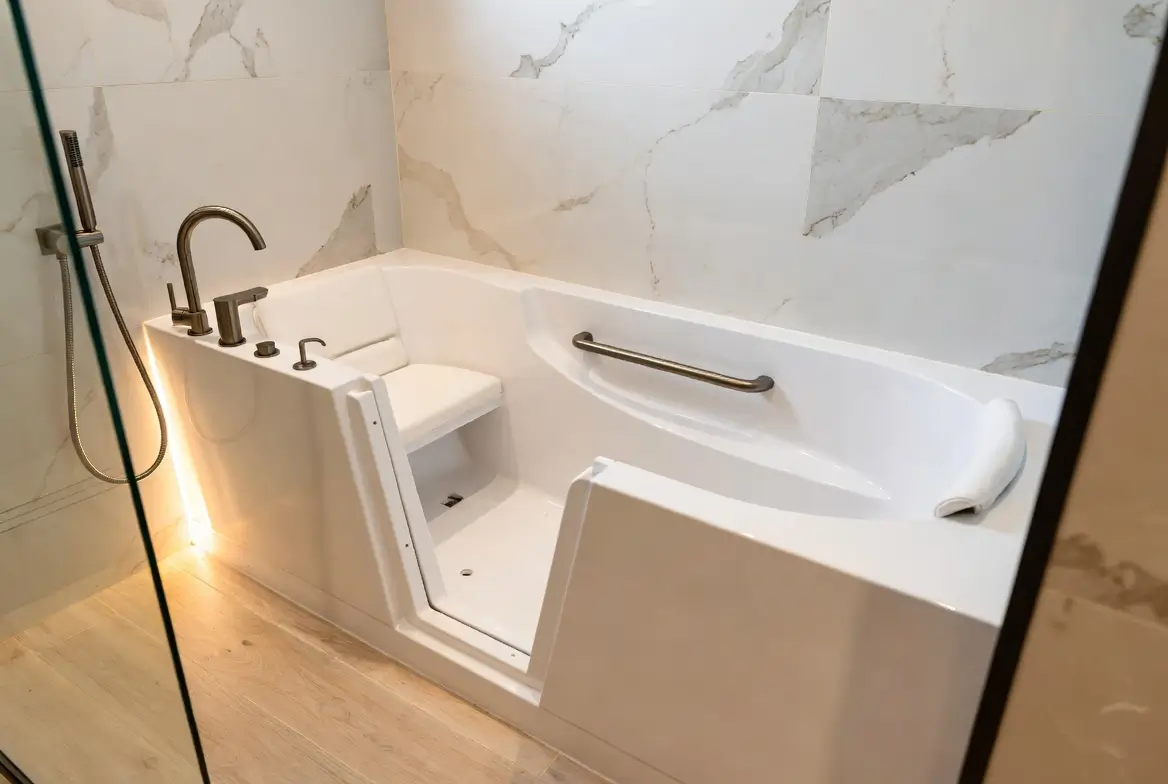
Walk-in bathtubs get pitched as a life-changing upgrade, especially for older homeowners or anyone dealing with mobility issues. But when you strip away the marketing, the real question is simple: do they actually make financial sense?
The answer isn’t black and white. For some people, it’s a smart long-term investment that improves safety and reduces future care costs. For others, it’s an expensive bathroom upgrade that doesn’t come close to paying itself back in resale value.
Let’s break it down in a practical, no-fluff way so you can decide if it’s worth it in your situation.
The True Cost of a Walk-In Bathtub
Most people underestimate the total cost because they only look at the tub itself.
A basic walk-in tub unit usually runs between $3,000 and $8,000. That’s just the equipment.
Installation is where things start stacking up. Plumbing changes, demolition, waterproofing, electrical work, and labor can add another $1,500 to $5,000 depending on your home layout.
That puts most full installations in the $5,000 to $15,000 range.
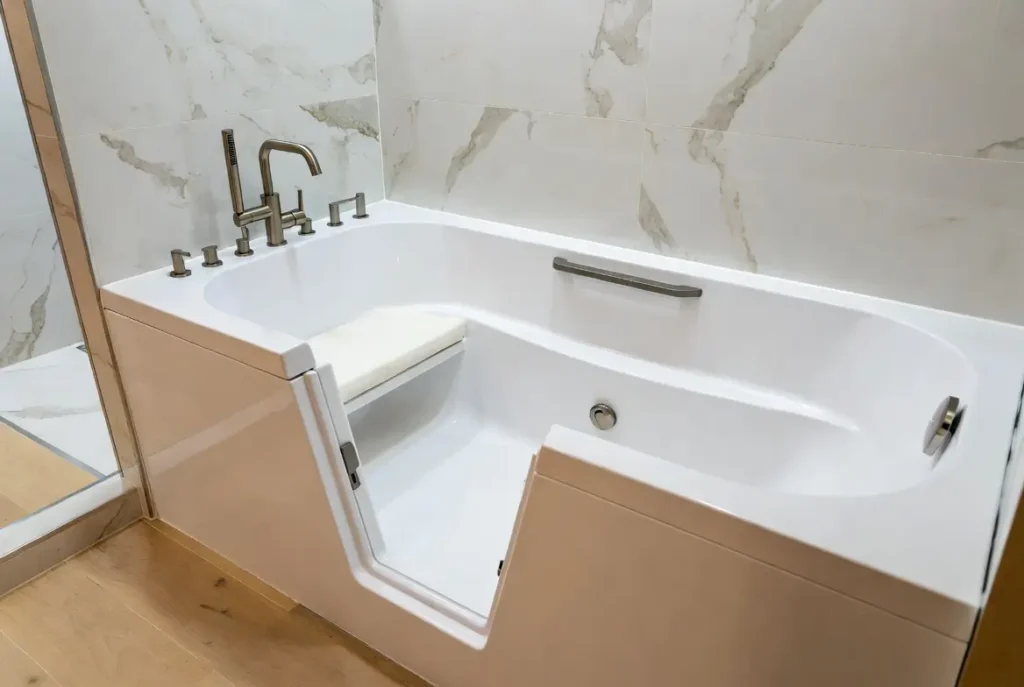
High-end models with features like heated seating, hydrotherapy jets, fast drainage systems, or wheelchair accessibility can push costs even higher.
At that point, you’re not doing a small bathroom upgrade—you’re doing a full remodel-level investment.
Where the Value Actually Comes From
Walk-in tubs rarely “pay for themselves” through resale value. The financial justification comes from other areas.
1. Avoiding Assisted Living Costs
This is the biggest financial argument in favor of walk-in tubs.
Assisted living facilities can cost anywhere from $4,000 to $8,000 per month depending on location and level of care. Even in-home caregiving can run thousands monthly.
A one-time bathroom upgrade that helps someone stay independent at home longer can easily offset those costs in less than a year.
2. Reducing Risk of Falls
Bathroom falls are one of the most expensive household injuries for older adults. A single fall can lead to hospital bills, rehab costs, and long recovery periods that add up fast.
A walk-in tub reduces that risk by removing the need to step over a high tub wall. That alone can prevent thousands in potential medical costs.
3. Independence and Daily Function
If bathing requires assistance, the financial cost of hiring help adds up quickly. A walk-in tub can reduce or eliminate that need depending on the person’s mobility level.
That’s not just convenience—it’s ongoing savings every month.
When It’s NOT Worth the Money
There are clear situations where a walk-in tub is hard to justify financially.
Short-Term Homeowners
If you’re planning to sell in a few years, you’re unlikely to recover the cost. Most buyers don’t prioritize walk-in tubs unless they specifically need accessibility features.
Families With Young Kids
Walk-in tubs aren’t always practical for households with children. They take longer to fill and drain, and they’re less flexible than a standard tub/shower combo.
Tight Bathroom Layouts
If your bathroom needs major remodeling just to fit the tub, the total cost can spiral. At that point, you may be better off with a different accessibility solution.
The Resale Value Reality
Here’s the truth most companies won’t tell you: walk-in tubs rarely increase home value in a meaningful way.
In some cases, they can even limit your buyer pool. A younger family might see it as unnecessary, while an older buyer might see it as a plus.
So the resale impact is neutral at best and slightly negative in some markets.
Bottom line: don’t install one expecting to make your money back when you sell.
Hidden Costs People Forget
Even after installation, there are ongoing costs that affect long-term value.
Water usage is higher because walk-in tubs are deeper than standard tubs. Heating costs also go up because you’re filling a larger volume of water.
If the model includes jets or pumps, those parts may require maintenance or replacement over time.
None of these costs are extreme, but they do add up over the years.
Better Alternatives to Consider
Before committing to a walk-in tub, it’s worth looking at other options.
A walk-in shower with a low threshold often solves most accessibility problems at a lower cost. It’s also faster to use and easier to maintain.
Tub-to-shower conversions can also give you safer access without the full expense of a specialty tub.
Even small upgrades like grab bars, non-slip flooring, and shower benches can dramatically improve safety for a fraction of the cost.
Who Gets the Best Financial Value
A walk-in tub makes the most sense financially if you fall into one of these categories:
- You plan to stay in your home long-term (10+ years)
- You want to avoid or delay assisted living costs
- You or a family member has mobility challenges
- You’re proactively planning for aging in place
If none of those apply, the financial return is usually weak.
Final Verdict
A walk-in bathtub is not a traditional “investment” in the home improvement sense. You’re not going to install it and immediately increase your property value.
Instead, it’s a lifestyle and safety purchase. The real financial value shows up over time through reduced care costs, fewer injuries, and increased independence.
If you’re looking at pure ROI, there are better renovations. If you’re looking at long-term comfort and safety in your home, it can absolutely be worth it.
Need Help With Walk-In Tub Installation in Detroit?
If you’re thinking about upgrading your bathroom for safety, comfort, or aging in place, our Detroit team can help you decide if a walk-in tub is the right financial move.
We handle full bathroom accessibility upgrades, walk-in tub installations, and practical solutions that improve safety without wasting money on unnecessary remodels.
Call Now: 313-351-3631