Signs Your Gutters Need a Handyman
Need Help With a Gutter Repair?
Sagging gutters, persistent leaks, loose sections, or water damage can be signs that a simple DIY repair isn’t enough. Get help identifying the problem and making the right repair.
Call for Gutter Repair HelpNot every gutter problem requires a professional. A homeowner can often clean a gutter, tighten a loose screw, or reseal a small leak without much trouble.
The problem is knowing when a small gutter issue has become something more serious.
If your gutters are sagging, pulling away from the house, repeatedly leaking, showing extensive rust, or causing water stains on your siding, the problem may go beyond a simple DIY repair.
A handyman can inspect the gutter system, identify the underlying problem, and repair the damaged components before ongoing water exposure leads to problems with the fascia, siding, roof edge, foundation, or landscaping.
Here are the signs that it may be time to stop reaching for the caulk gun and call a professional.
Quick Answer: When Do Gutters Need a Handyman?
You should consider calling a handyman when your gutters are repeatedly failing, significantly damaged, difficult to access, or causing water to enter areas where it should not.
Common warning signs include:
- Gutters that sag significantly
- Gutters pulling away from the house
- Persistent leaks after DIY repairs
- Heavy rust or corrosion
- Water streaks on siding
- Water getting behind the gutter
- Rotten or damaged fascia
- Cracked or separated gutter sections
- Downspout problems that keep returning
- Gutters overflowing even when they are clean
- Sections that are bent or physically damaged
- Water collecting around the foundation
A professional does not just repair the visible gutter problem. The goal is to determine why the gutter is failing in the first place.

1. Your Gutters Are Sagging
A small amount of movement is not necessarily a major concern, but noticeably sagging gutters deserve attention.
A sagging section can prevent water from flowing properly toward the downspout.
Instead, rainwater may collect in the low spot.
Over time, that standing water adds weight to the gutter and can make the sagging worse.
What causes gutters to sag?
Common causes include:
- Loose gutter hangers
- Missing fasteners
- Damaged fascia
- Heavy debris
- Standing water
- Ice buildup
- Improper installation
- Bent gutter sections
- Too few support brackets
If tightening a hanger fixes the problem, it may be a relatively simple repair.
If the gutter continues to sag after the hardware is repaired, there may be a larger structural issue.
That is when a handyman inspection makes sense.
2. The Gutters Are Pulling Away From the House
A gutter that has visibly separated from the fascia should not be ignored.
You may notice:
- A visible gap between the gutter and house
- Gutter sections hanging lower than they should
- Loose screws
- Hangers separating from the fascia
- Water running behind the gutter
- Sections that move when touched
The fastener itself may be the problem.
But sometimes the actual issue is the material the fastener is attached to.
If the fascia has become soft or rotten, installing another screw may only provide a temporary fix.
A handyman can determine whether the problem is the gutter hardware, the fascia, or both.
3. Your Gutters Keep Leaking After You Repair Them
One of the clearest signs that a DIY repair is not solving the problem is when the same leak keeps coming back.
You might reseal a gutter seam only to find it leaking again a few weeks later.
That can happen when:
- The gutter sections have shifted
- The joint is damaged
- The gutter is sagging
- The old sealant was not completely removed
- The gutter material is deteriorating
- Water is coming from another location
Remember that water does not always drip directly below the point where it enters.
A leak higher up the gutter can travel along the inside or outside of the gutter before appearing somewhere else.
If you keep repairing the same leak without fixing its cause, professional inspection may save you time and money.
4. You See Water Streaks on the Siding
Water streaks underneath or beside your gutters are a warning sign that runoff is not being properly controlled.
You may see:
- Dark streaks
- Dirt lines
- Green or black staining
- Peeling paint
- Wet siding
- Water marks below gutter seams
Occasional staining does not automatically mean your gutters are severely damaged.
But persistent water streaking can indicate that water is overflowing, leaking, or running behind the gutter.
A professional can trace the source instead of simply cleaning the visible stain.
5. There Is Water Behind the Gutter
This is one of the more important problems to investigate.
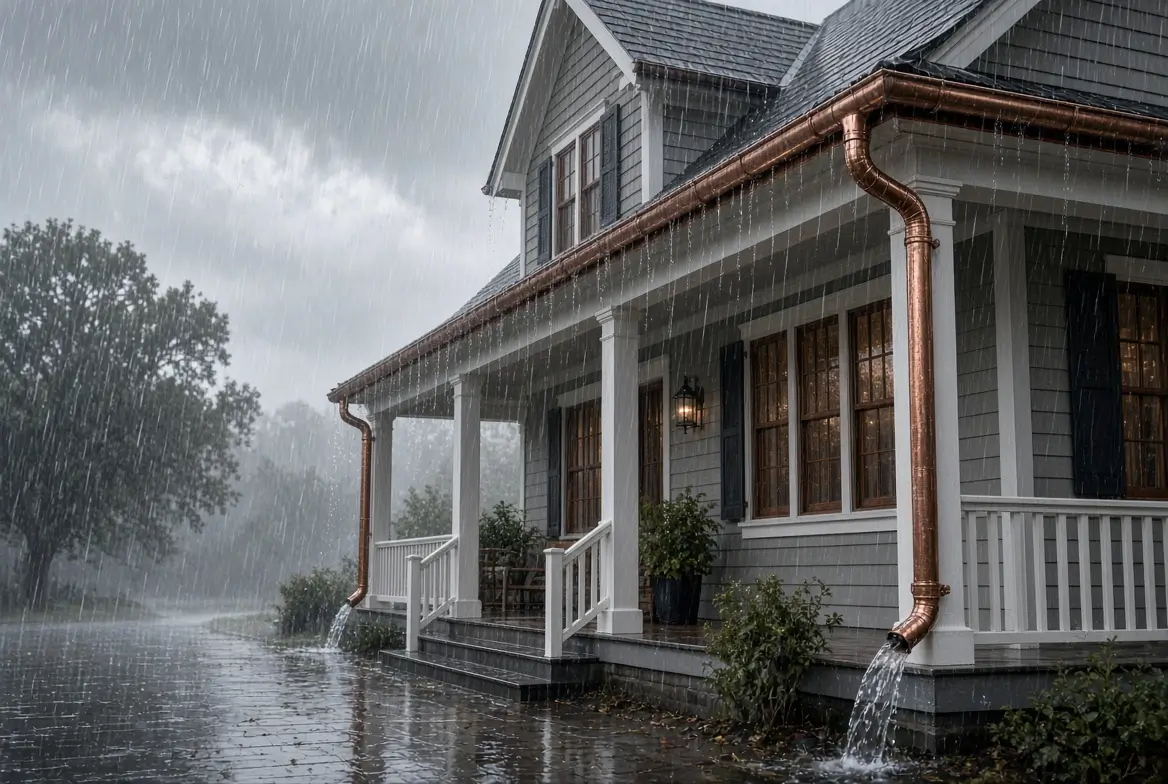
Gutters are designed to collect water from the roof and direct it toward the downspouts.
They should not routinely allow water to run behind them.
Water behind a gutter can damage:
- Fascia boards
- Soffits
- Roof-edge materials
- Exterior walls
- Insulation
- Wood framing
Look for water stains, peeling paint, soft wood, or visible gaps behind the gutter.
If you see evidence that water is getting behind the gutter, the gutter itself may not be the only thing that needs attention.
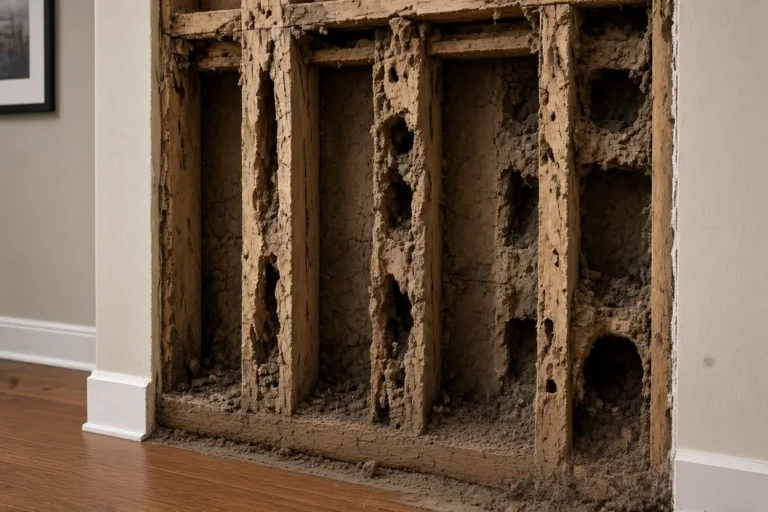
6. The Fascia Is Rotting
The fascia is the board along the roof edge that commonly provides a mounting surface for gutters.
If the fascia is damaged, the gutter may not have a solid place to attach.
Signs of damaged fascia include:
- Soft wood
- Crumbling wood
- Peeling paint
- Dark discoloration
- Visible holes
- Mold-like growth
- Cracks
- Sections that feel weak
This is where repeatedly installing larger screws can make things worse.
The gutter needs something structurally sound to attach to.
If the fascia is significantly deteriorated, a handyman may need to repair or replace the damaged section before properly securing the gutter.
7. Your Gutters Have Extensive Rust
A small rusty spot does not necessarily mean the entire gutter system needs replacement.
But widespread corrosion is a different story.
Inspect the inside and outside of the gutters for:
- Rust spots
- Flaking metal
- Rust holes
- Bubbling paint
- Corroded seams
- Thin or weakened sections
Once corrosion creates holes or compromises the gutter material, applying sealant may only provide a temporary solution.
A handyman can help determine whether the affected section can be repaired or whether replacing part of the gutter makes more sense.
8. Your Gutters Overflow Even When They Are Clean
Gutter overflow is not always caused by leaves.
If the gutters are clean and still overflow during normal rainfall, investigate further.
Possible causes include:
- Improper gutter slope
- Poorly positioned downspouts
- Blocked underground drainage
- Too much roof runoff
- Damaged gutter sections
- Improperly sized gutters
- Water entering the gutter too quickly
- A gutter system that cannot handle the volume of water
If you have already cleaned the gutters and downspouts and the problem continues, repeatedly cleaning them will not solve the underlying issue.
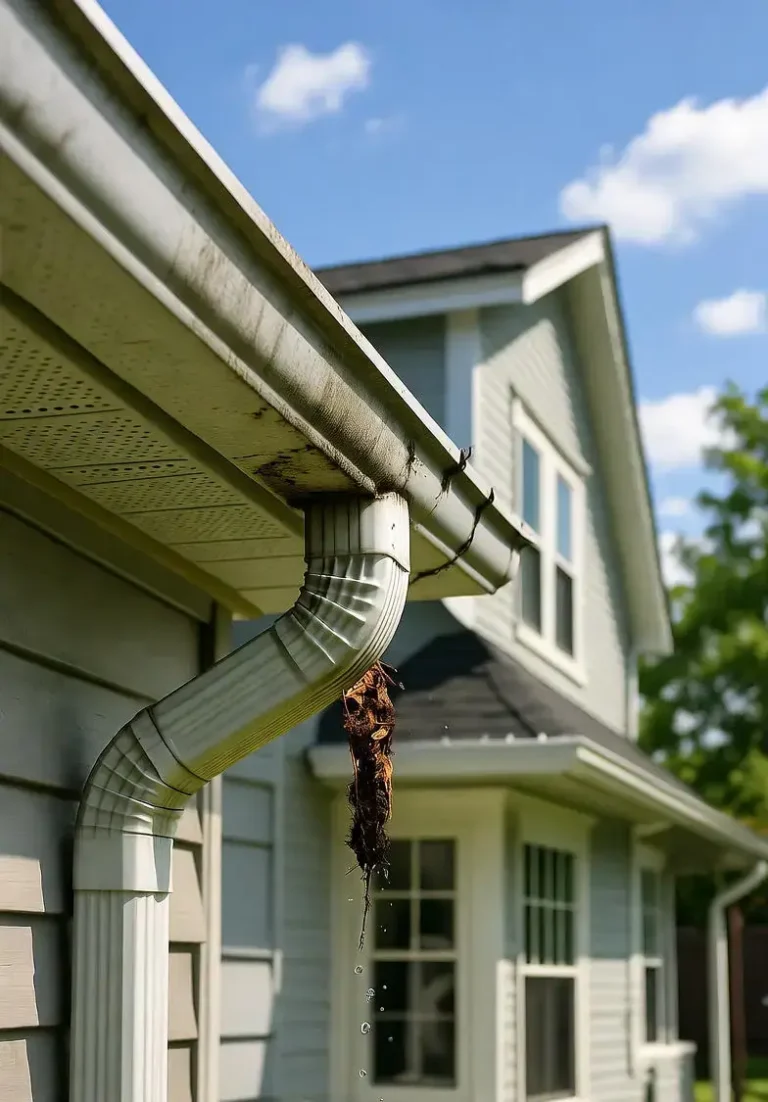
9. The Downspouts Keep Coming Loose
Downspouts need to remain securely connected so water can travel from the gutter to the discharge point.
A loose connection can cause water to spill down the side of the house.
Inspect for:
- Missing screws
- Loose elbows
- Separated sections
- Cracked connectors
- Bent downspouts
- Water leaking from joints
Minor loose connections may be easy to repair.
But if the downspout repeatedly separates or has been damaged, a professional can determine whether the problem is the connection hardware or the downspout itself.
10. Water Is Pooling Around Your Foundation
One of the biggest reasons gutters matter is that they control where roof runoff goes.
If water repeatedly collects next to your foundation after rainfall, check the entire gutter and downspout system.
Look for:
- Short downspout extensions
- Disconnected downspouts
- Clogged outlets
- Water spilling over the gutter
- Poor property grading
- Downspouts discharging too close to the house
Not every foundation drainage problem is caused by the gutters.
However, gutters are one of the first places worth checking because they collect a significant amount of roof runoff.
11. Gutter Sections Are Bent or Damaged
A gutter that has been hit by a ladder, branch, ice, vehicle, or other object may no longer drain properly.
Bent sections can create:
- Low spots
- Leaks
- Separation at seams
- Overflow
- Poor drainage
- Loose connections
Small bends may sometimes be corrected.
Severely deformed sections may be better candidates for replacement.
Trying to force a badly damaged gutter back into shape can create additional cracks or weaken the material.
12. You Cannot Safely Reach the Problem
This is an easy one to overlook.
Even if the gutter problem itself is minor, the repair may not be worth attempting if reaching it requires unsafe ladder positioning or roof access.
Avoid DIY gutter work when:
- The gutter is several stories high.
- The roof is steep.
- The ladder cannot sit securely.
- You need to work near electrical lines.
- You have to climb onto the roof to reach the problem.
- Weather conditions are poor.
- You are uncomfortable working at height.
A cheap gutter repair is not worth risking a serious fall.
What Can a Handyman Repair?
A handyman may be able to handle many common gutter-related repairs, depending on the condition and construction of the system.
Typical work can include:
- Reattaching loose gutters
- Replacing gutter hangers
- Installing gutter screws
- Repairing small gutter leaks
- Resealing gutter seams
- Replacing end caps
- Repairing downspout connections
- Replacing damaged downspout sections
- Adding downspout extensions
- Correcting minor gutter support issues
- Repairing or replacing damaged fascia
- Replacing damaged sections of gutter
For major roof, structural, or foundation problems, another specialist may be more appropriate.
DIY Gutter Repair vs. Calling a Handyman
Not sure where to draw the line?
DIY may make sense when:
- The problem is easy to access.
- The gutter is otherwise in good condition.
- One screw or hanger is loose.
- There is a small isolated leak.
- The downspout needs basic cleaning.
- You can safely perform the work from the ground or a properly positioned ladder.
Call a handyman when:
- The gutter is pulling away from the house.
- Several sections are sagging.
- The same leak keeps returning.
- The fascia is damaged.
- There is significant rust.
- Water is getting behind the gutter.
- Multiple gutter sections are damaged.
- The problem requires difficult ladder or roof access.
- You cannot determine why the system is failing.
The important distinction is not simply whether you can perform the repair.
It is whether the repair will actually solve the problem.
How Gutter Problems Can Affect Your Roof
Gutters are part of your home’s exterior water-management system.
When they stop directing water away from the roof and foundation properly, water can end up in places where it does not belong.
Persistent moisture can contribute to deterioration around the roof edge, fascia, soffit, siding, and foundation.
That does not mean every leaking gutter will damage your roof.
But ignoring a gutter problem for months or years gives water more opportunities to cause secondary damage.
Fixing a gutter problem early is generally easier than repairing the damage created by prolonged water exposure.
What Should You Check Before Calling a Handyman?
You do not need to diagnose everything yourself.
But a quick inspection can help you explain the problem.
Check:
- Where the water appears
- Whether the gutter is sagging
- Whether the gutter is pulling away
- Whether the leak occurs at a seam
- Whether the downspout is flowing
- Whether the fascia looks damaged
- Whether there is visible rust
- Whether water is reaching the foundation
- Whether the problem happens during light or heavy rain
Take a few photos if possible.
A photo of the damaged section, the surrounding gutter, and the area underneath can help a handyman understand what they are dealing with before arriving.
Gutter Handyman Checklist
Use this quick checklist when inspecting your gutters.
Gutter Condition
- Gutter is securely attached
- No major sagging
- No large holes
- No severe rust
- Seams are intact
- End caps are secure
- Gutter sections are not badly bent
House Condition
- Fascia is solid
- No obvious water damage
- No water behind the gutter
- No damaged siding
- No obvious roof-edge deterioration
Drainage
- Gutters are clean
- Downspouts are clear
- Downspouts are connected
- Water exits properly
- Extensions direct water away from the house
- No persistent pooling near the foundation
If several boxes remain unchecked, it may be time for professional help.
Frequently Asked Questions About Gutter Handyman Repairs
How do I know if my gutters need professional repair?
Persistent leaks, significant sagging, gutters pulling away from the house, extensive rust, damaged fascia, and recurring overflow are signs that the problem may require professional repair rather than a simple DIY fix.
Can a handyman fix gutters that are pulling away from the house?
Often, yes. A handyman can inspect the gutter fasteners and the fascia behind the gutter. If the mounting surface is damaged, that may need to be repaired before the gutter can be securely reattached.
Are rusty gutters worth repairing?
It depends on the extent of the corrosion. A small rust spot may be repairable, while widespread corrosion, rust holes, or weakened metal may make section replacement more practical.
Why are my gutters leaking even after I sealed them?
The leak may be caused by movement between gutter sections, damaged material, improper drainage, or water entering from another location. Repeatedly applying sealant without identifying the cause may not provide a lasting repair.
Can bad gutters damage the roof?
Gutter problems can contribute to water-related deterioration around the roof edge and other exterior components when runoff is repeatedly directed where it should not go. The severity depends on the location and duration of the water exposure.
Should I repair or replace a damaged gutter?
An isolated problem on an otherwise sound gutter may be repairable. Multiple damaged sections, extensive corrosion, repeated failures, or severely deformed gutters may require replacement of some or all of the affected system.
How much does it cost to have a handyman repair gutters?
The cost depends on the repair. Tightening or replacing a few gutter fasteners is generally much simpler than repairing damaged fascia, replacing gutter sections, or correcting a larger drainage problem. Get the problem inspected before assuming the entire gutter system needs replacement.
Is it safe to repair gutters myself?
Minor repairs can be DIY-friendly when the work can be performed safely. Ladder and roof work can become dangerous quickly, particularly on steep roofs or multi-story homes. If you cannot safely reach the problem, hire someone who can.
Gutters Can Have Complex Leaks
The biggest mistake homeowners make with gutter repairs is treating every problem as a simple leak.
A loose screw may be the problem.
But it could also be a symptom of rotten fascia.
A leaking seam may need sealant.
But it could also be caused by a gutter that has shifted or sagged.
And water streaks on the siding may not simply be cosmetic—they can indicate that rainwater is escaping from the drainage system.
If your gutters are repeatedly leaking, sagging, pulling away from the house, heavily rusted, or causing water to collect around your home, it is worth having the problem evaluated before it becomes a much larger repair.
The goal is not just to make the gutter look fixed.
The goal is to make sure water is getting where it is supposed to go.