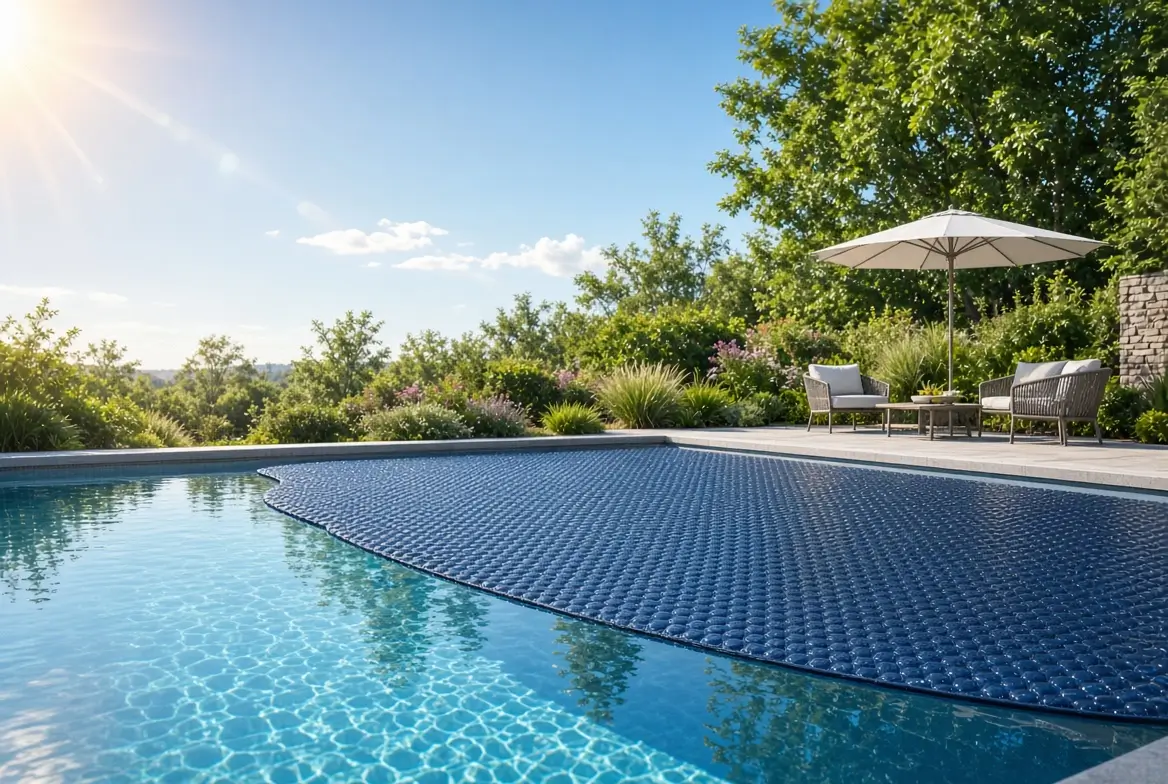
Protecting Your Pool from Sun Rot: Smart Strategies Every Homeowner Needs for a Vibrant Backyard Oasis
Ready to Shield Your Pool from Sun Rot?
Get expert advice, premium protection products, and a customized maintenance plan for your backyard pool.
Call 313-217-4973 TodayFree consultation • Local homeowners welcome
Your backyard pool is your personal slice of paradise—where kids splash, friends gather for weekend barbecues, and you unwind after a long day. But that glorious sunshine pouring down can become a silent saboteur. “Sun rot” refers to the gradual deterioration caused by intense UV rays, scorching heat, and their ripple effects on your pool’s liner, surfaces, water chemistry, and equipment. Left unchecked, it leads to faded colors, brittle materials, higher maintenance costs, and a less inviting swimming experience.
The great news for homeowners? You don’t need an engineering degree or a massive budget to fight back. With practical, everyday habits and targeted protections, you can keep your pool looking fresh, functioning efficiently, and ready for fun season after season.
Here’s your complete guide packed with homeowner-approved tips that deliver real results.
Understanding How Sun Damage Sneaks Up on Your Pool
UV radiation is relentless. It breaks down plastics and vinyl by pulling out protective plasticizers, especially above the waterline where heat builds up dramatically. Liners can stiffen, discolor (often turning brownish), and eventually crack—a condition many call dry rot. Fiberglass gel coats lose their shine and develop a chalky texture.
Decks get uncomfortably hot and fade. Meanwhile, UV rays zap chlorine levels fast, forcing you to add more chemicals while algae and cloudiness try to take over. Equipment like PVC pipes and pump housings also embrittle over time.
In sunny regions, these problems accelerate, but every outdoor pool faces the risk. The key is prevention through a mix of barriers, chemistry smarts, and simple routines.
Top Defense: Invest in Reliable Pool Covers
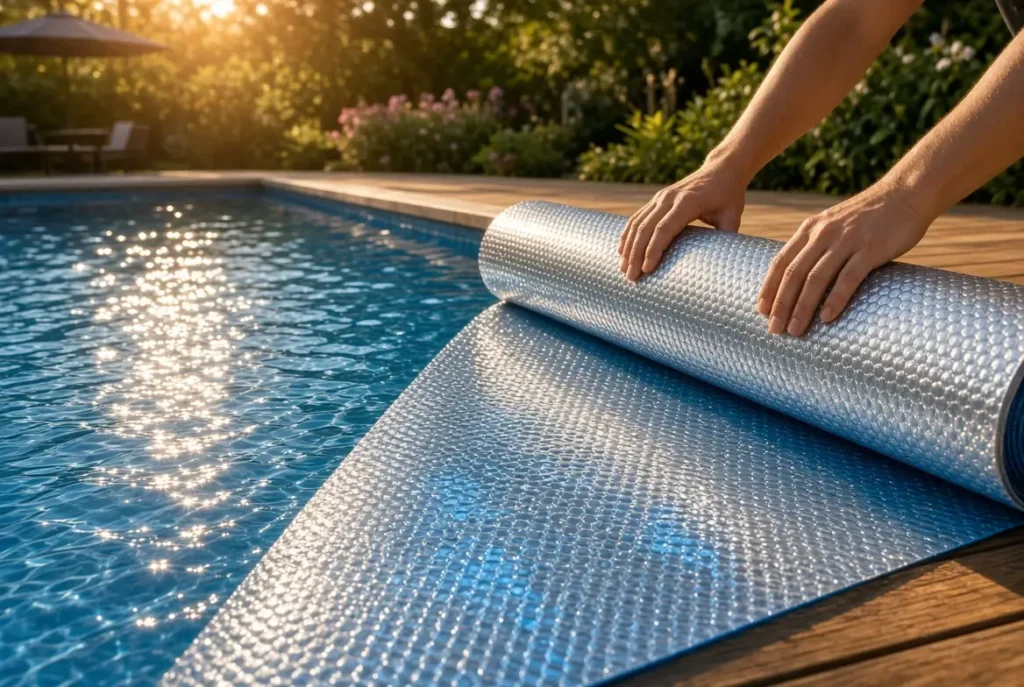
One of the smartest moves you can make is using a quality pool cover daily when the pool isn’t in active use. Solar blankets (those bubble-style covers) are particularly popular among homeowners because they:
• Block harmful UV rays from reaching the water and walls
• Slash evaporation by up to 95%, saving water, chemicals, and money on refills
• Trap and transfer solar heat to keep your pool comfortable without extra heaters
• Reduce debris, lowering filter strain and cleaning time
Homeowner tips for maximum benefit:
• Opt for covers with strong UV inhibitors built into the material for longer life.
• Trim to fit snugly (leave small gaps around steps for easy handling).
• Place bubble-side down for best heat transfer.
• Remove before shocking or adding chemicals, and store it out of direct sun when possible—use a reel for convenience.
• Consider a liquid solar cover (invisible monolayer) for pools used multiple times daily.
Many families report their covers pay for themselves quickly through lower chemical and water bills while keeping the pool sparkling.
Master Your Water Chemistry to Beat UV Breakdown
Chlorine is your pool’s bodyguard, but sunshine destroys it rapidly without protection. That’s where cyanuric acid (CYA, or stabilizer) shines—it wraps around chlorine molecules like a shield, dramatically slowing UV damage.
Target 30-50 ppm for most home pools. Test regularly (twice weekly in peak summer) using reliable kits or strips. Stabilized chlorine products (like tablets) help maintain levels, but always monitor to avoid buildup.
Pair this with consistent testing and balancing:
• Free chlorine: 1–3 ppm
• pH: 7.2–7.8
• Shock weekly during hot spells or heavy use to handle sunscreen, sweat, and organics
Balanced water not only fights algae and cloudiness but also reduces stress on liners and surfaces, helping them resist sun damage longer. Encourage quick showers before swimming to minimize oils entering the water.
Shield Your Pool Surfaces and Structure
• Maintain proper water levels: Consistent mid-skimmer depth protects more of the liner and walls from direct exposure.
• Gentle waterline care: Rinse daily with pool water. Skip harsh acid-based cleaners on vinyl—they can worsen UV and heat damage when residues remain. Mild, alkaline options are safer.
• Upgrade finishes when needed: For fiberglass or plaster pools, UV-stabilized coatings or rejuvenating treatments can restore and protect color while adding a durable barrier.
• Deck and coping smarts: Choose lighter-colored, reflective pavers or coatings that stay cooler underfoot and resist fading. Textured non-slip surfaces keep everyone safe while looking sharp. Regular gentle cleaning prevents buildup that traps heat.
Small shade additions like sail canopies, large umbrellas, or strategic landscaping make a surprising difference for decks and lounging areas without turning your pool into a dark cave.
Don’t Forget Pool Equipment and Accessories
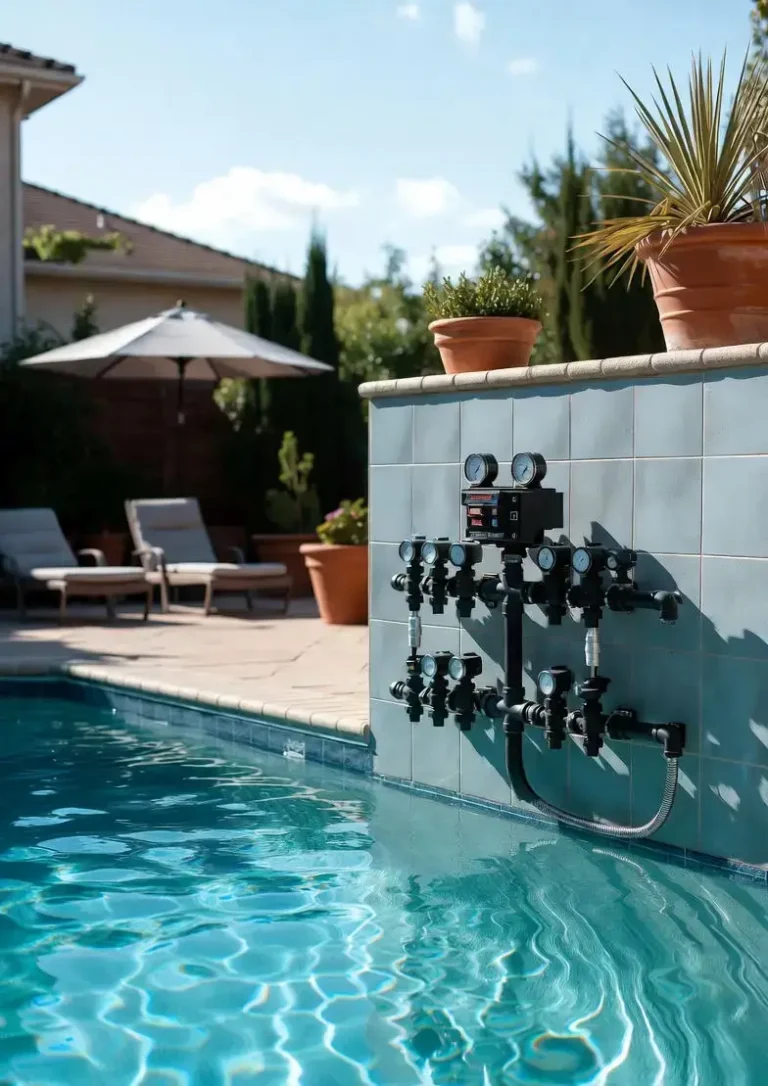
Your pump, filter, pipes, and heaters take a beating too. Shade the equipment pad with a simple roof structure or pergola. Inspect hoses, o-rings, and plastic components annually for early signs of chalking or cracking. Clean filters more often in summer when dust, pollen, and sunscreen increase the load.
Bonus Homeowner Hacks for Long-Term Success
• Wind barriers: Fences, hedges, or screens reduce evaporation caused by breezes.
• Routine inspections: Walk your pool weekly looking for early fading, stiffness, or water level drops.
• Professional support: Schedule a seasonal tune-up with a local service—they spot issues you might miss and can recommend tailored solutions.
• Energy savings mindset: All these steps combine to lower your overall costs while extending the life of your liner, cover, and equipment.
Protecting your pool from sun rot isn’t about perfection—it’s about consistent, smart habits that let you focus on what matters: enjoying lazy afternoons, cannonball contests, and sunset dips with loved ones. A well-protected pool holds its value better, looks inviting longer, and creates fewer headaches.
This summer, take one or two actions from this guide (starting with a cover and stabilizer check) and watch the difference. Your future self—and your wallet—will thank you.
More Break Down of Sun Rot
Your swimming pool maybe designed to handle the heat for the summer. But the exposure of sunlight all day can damage the material of the pool. Sun Rot is the process of the materials on the pool or around the pool getting to much sun so basically in return the material become brittle, fades, or can crack – “weakening” over time.
As a pool owner you can see what material around the pool gets the most sunlight directly. Pool covers, liners, pool furniture, and equipment pieces for the pool can all get destroy with intense UVs for long periods of time.
Owning a good quality pool cover is one of the simplest ways to reduce the UV/sunlight exposure when your not using the pool. Pick a cover that is made for outdoor exposure and make sure it is properly stored when the cover isn’t on the pool.
Yes chemicals can contribute to the sun damage with the wrong balance of water and chemicals in the pool over time it can start to destroy the pool. So the right pool chemistry helps the liner, seals, equipment, and other pool components while keeping the water safe to swim in.
Shade can also make a difference placing a umbrella, shade sail, or pergola can help reduce UV exposure around the pool thus, making the pool more comfortable to use.
Don’t forget to inspect your pool while your out using it, fades, cracks, chalky surfaces that come up can be signs. Knowing about these things when they are small make it easier to replace or repair them and making sure the damage doesn’t spread.
Lastly, clean and maintain all of your pool materials and equipment according to the manufactures recommendation. Don’t do any harsh cleaning on the pool, that alone can damage your pool.