July Pest Management Tips Every Homeowner Should Know
July is one of the busiest months of the year for pests. Warm temperatures, summer storms, and longer days create the perfect conditions for insects and rodents to become more active around your home. If you’ve noticed more mosquitoes in the yard, ants in the kitchen, or wasps building nests around your deck, you’re not alone.
The good news is that a little prevention can go a long way. Many pest problems begin outside the home before they ever make their way indoors. By taking a few simple steps during July, you can reduce the chances of dealing with a much larger infestation later in the summer.
Here are some practical July pest management tips that are easy for any homeowner to follow.
Why July Is Peak Pest Season
Most insects thrive in warm weather. July provides the heat, moisture, and food sources they need to reproduce quickly.
During this time of year, you’ll commonly see:
- Ants
- Mosquitoes
- Wasps
- Yellow jackets
- Spiders
- Earwigs
- Flies
- Fleas
- Ticks
- Mice looking for shelter
Heavy summer rain can also force insects out of the ground and closer to homes.
Remove Standing Water
One of the easiest ways to reduce mosquito populations is by eliminating standing water around your property.
Mosquitoes lay their eggs in still water, and the eggs can hatch in less than a week during hot weather.
Check your yard for water collecting in:
- Buckets
- Flower pot saucers
- Bird baths
- Children’s toys
- Wheelbarrows
- Trash can lids
- Old tires
- Pool covers
- Tarps
- Low spots in the yard
Empty or refresh these items regularly to help prevent mosquitoes from breeding.
Keep Your Lawn Mowed
Tall grass provides cool, shaded places where many insects like to hide during the day.
Regular mowing helps reduce hiding spots for:
- Ticks
- Fleas
- Spiders
- Mosquitoes
- Ants
A well-maintained lawn also allows more sunlight and airflow, making your yard less attractive to pests.
Trim Bushes and Trees
Shrubs touching your home create natural bridges for insects.
Trim back:
- Tree branches
- Bushes
- Hedges
- Ivy
- Overgrown landscaping
Keeping plants several inches away from your home’s exterior makes it harder for pests to reach your siding, roof, and windows.
Clean Out Your Gutters
July storms can fill gutters with leaves, twigs, and debris.
When gutters clog, they trap water that attracts mosquitoes and other insects.
Overflowing gutters may also create moisture problems around your home’s foundation, which can attract ants and other pests.
Cleaning your gutters helps water flow properly and reduces pest-friendly conditions.
Seal Small Openings
Many pests only need a tiny gap to get inside.
Walk around your home and inspect areas around:
- Doors
- Windows
- Utility pipes
- Dryer vents
- Air conditioning lines
- Foundation cracks
Seal any openings with the appropriate materials to keep pests outside.
Keep Outdoor Trash Sealed
Garbage attracts much more than flies.
Open trash containers can also attract:
- Ants
- Wasps
- Raccoons
- Rodents
- Cockroaches
Always keep garbage cans tightly closed and rinse them occasionally to reduce odors.
Store Pet Food Properly
If you feed pets outdoors, don’t leave food sitting out all day.
Pet food attracts:
- Ants
- Flies
- Rodents
- Raccoons
Store pet food indoors in sealed containers and remove leftovers after feeding.
Watch for Wasp Activity
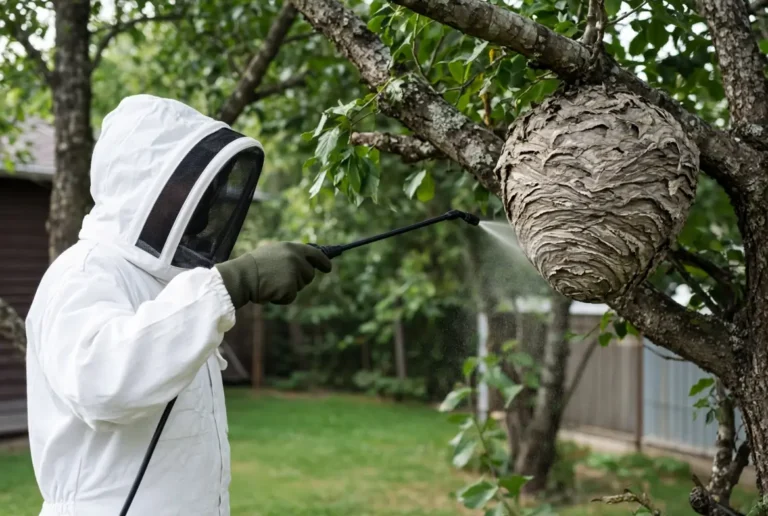
July is when many wasp colonies become larger and more active.
Inspect around:
- Deck railings
- Porch ceilings
- Sheds
- Garages
- Roof overhangs
- Mailboxes
- Playsets
Small nests are much easier to deal with than large colonies later in the season.
If you notice heavy wasp activity, avoid disturbing the nest yourself.
Reduce Outdoor Lighting
Bright lights attract flying insects at night.
Those insects often attract spiders looking for an easy meal.
Consider using:
- Warm-colored bulbs
- Motion-sensor lighting
- Yellow bug lights
Reducing unnecessary lighting may decrease nighttime insect activity around doors and patios.
Keep Firewood Away From Your Home
Firewood stacked directly against the house creates shelter for many pests.
It can attract:
- Spiders
- Earwigs
- Ants
- Rodents
Store wood several feet away from your home and keep it elevated off the ground whenever possible.
Check Window and Door Screens
Even small tears in window screens allow insects inside.
Inspect screens for:
- Holes
- Loose edges
- Damaged frames
Repair or replace damaged screens before insects become regular indoor visitors.
Don’t Ignore Ant Trails
One or two ants may not seem like a big problem.
However, ants leave scent trails that lead hundreds of others directly to food sources.
If you notice ants repeatedly entering your home, try to locate where they’re coming from and eliminate the food source.
Persistent ant activity may require professional treatment.
Eliminate Moisture Problems
Many insects are attracted to damp environments.
Check for:
- Leaky faucets
- Dripping outdoor spigots
- Wet basements
- Standing water near the foundation
- Poor drainage
Keeping your property dry makes it much less inviting for pests.
Keep Storage Areas Organized
Garages, basements, and sheds often become hiding places for insects and rodents.
Instead of storing items directly on the floor:
- Use shelving
- Store items in plastic containers
- Remove unnecessary clutter
- Keep boxes dry
An organized storage area makes it easier to spot pest activity early.
Know When DIY Isn’t Enough
Many homeowners successfully prevent small pest problems with routine maintenance.
However, if you’re seeing pests every day or noticing large numbers, the problem may be bigger than it appears.
Professional pest control may be the best option if you notice:
- Multiple wasp nests
- Large ant colonies
- Cockroaches
- Mouse droppings
- Heavy mosquito activity
- Recurring spider infestations
Treating the problem early is usually easier and less expensive than waiting until pests become well established.
Make July Your Pest Prevention Month
July is the perfect time to inspect your property and fix small problems before they become major infestations.
A few hours of maintenance can help protect your home for the rest of the summer.
Simple tasks like mowing the lawn, cleaning gutters, removing standing water, trimming bushes, and sealing entry points can dramatically reduce pest activity.
If pests continue showing up despite your efforts, a professional inspection can identify hidden issues and provide a treatment plan tailored to your home.
By staying proactive in July, you’ll enjoy more time outdoors and less time dealing with unwanted pests.
Ready to Protect Your Home From Summer Pests?
If ants, mosquitoes, wasps, spiders, rodents, or other pests are becoming a problem, professional pest control can help stop infestations before they get worse and keep your home protected throughout the season.
Need Professional Pest Control This Summer?
Don’t let pests take over your home or yard. Our experienced pest control professionals can inspect your property, identify problem areas, and create a treatment plan that fits your needs.
📞 Call today: 313-422-7926