
Leaky Condo Windows? Here’s How to Fix Exterior Caulking and Jay Channels
Recently, a homeowner asked on Facebook:
“We need a contractor to caulk the exterior of our condo windows. The caulk is worn down and water leaks in whenever it rains. The jay channel needs replacement, but our priority is stopping water and mold.”
Water coming into your condo can lead to mold, rot, and costly damage. Our experienced contractors can repair your exterior caulking and replace jay channels safely and efficiently.
Call 313‑513‑1185 today to schedule your repair.
If this sounds familiar, you’re not alone. Water intrusion around windows is a common condo problem, and it’s one that gets worse if ignored. Mold, structural damage, and rotting frames can become expensive issues if the leaks persist.
Here’s how to solve this problem, whether you want to attempt minor repairs yourself or call a professional.
Why Exterior Caulking Matters
Caulking around windows is your condo’s first line of defense against rainwater. Over time, caulking can crack, shrink, or fall out completely. Once that happens, even light rain can start seeping inside, causing:
- Water stains on walls and ceilings
- Mold or mildew growth
- Warped window frames
- Damaged insulation
Ignoring worn caulking is risky. Even a small leak can escalate, especially in condos where walls are shared and water damage can spread quickly.
Understanding the Jay Channel
Many windows include a jay channel, a small groove designed to guide water away from your home. If it’s damaged, water can bypass the window seal entirely and find its way inside.
While caulking seals gaps, the jay channel ensures water is directed safely outside. In cases where the channel is damaged, a proper repair prevents recurring leaks.
Signs Your Window Needs Attention
Before deciding on a solution, look for these signs:
- Water entering during rainstorms – Clear evidence that caulking is failing.
- Cracked or missing caulk – Visible gaps mean the seal is compromised.
- Mold or mildew – Persistent moisture behind walls or on the frame.
- Drafts or energy loss – Caulking gaps can affect insulation.
- Damaged jay channel – Cracked or bent channels allow water to pool and leak.
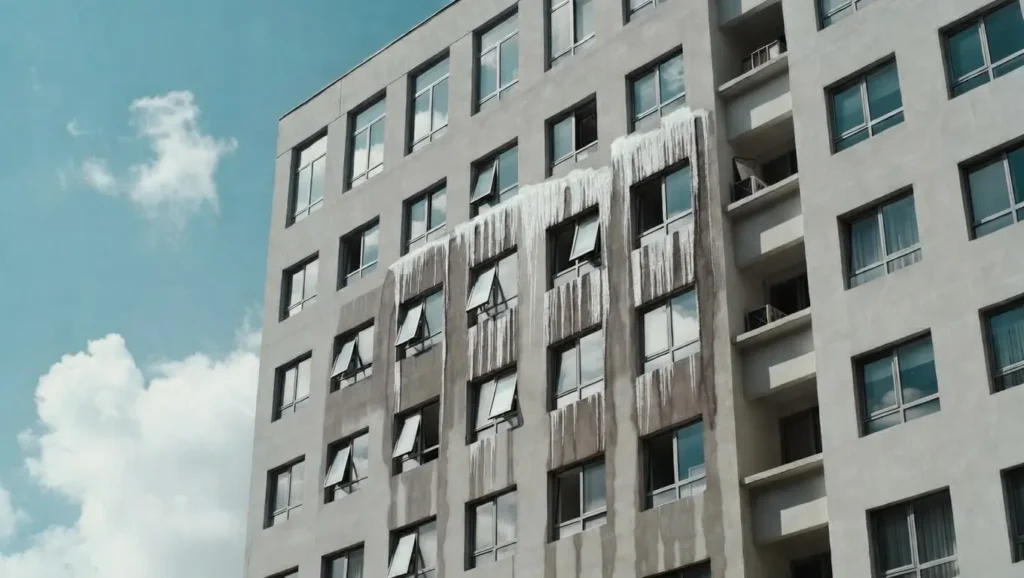
If any of these apply, action is needed—sooner rather than later.
Should You Try DIY Repairs?
Minor caulking repairs can sometimes be handled by homeowners, but there are pitfalls:
- High or difficult-to-access windows
- Need for proper surface prep
- Using the correct exterior-grade caulk
- Replacing a jay channel (usually technical)
Incorrect caulking can worsen leaks, and a damaged jay channel is usually best handled by a professional.
Quick 3-Step DIY Fix for Minor Caulking
Even if the problem is primarily cosmetic, a temporary DIY fix can help reduce water intrusion until professional service is available:
Step 1: Remove Old Caulk
Scrape away cracked or peeling caulk with a putty knife. Ensure the surface is clean and dry before applying new caulk.
Step 2: Apply Exterior Caulk
Use a high-quality exterior caulk designed for water resistance. Apply a thin, continuous bead along the window frame, smoothing it for a complete seal.
Step 3: Monitor the Seal
Check the temporary fix after the next rainstorm. If water still seeps in or caulk fails, schedule a professional repair promptly.
Remember: this DIY method is a temporary solution and doesn’t replace jay channel repair.
How Professionals Solve the Problem
Experienced contractors handle the job systematically:
- Inspect the window – Check caulking, frame condition, and jay channel.
- Remove old caulk – All deteriorated caulking is scraped away.
- Replace jay channel if necessary – The old channel is removed, and a new one installed for proper water flow.
- Apply new caulk – High-quality, weather-resistant caulk is applied around the window frame.
- Final inspection – Ensure no gaps remain and the window is watertight.
This method ensures long-lasting protection against water damage and mold.
Preventing Mold and Water Damage
Mold develops quickly when water enters walls. By repairing caulking and jay channels, you:
- Stop water intrusion
- Prevent structural damage
- Maintain indoor air quality
- Avoid expensive repairs down the road
After the repair, schedule annual inspections and keep window frames clean to maintain the seal.
Seasonal Maintenance Tips for Condo Windows
Even after a professional repair, regular maintenance helps prevent leaks from returning. Seasonal checks are especially important in Metro Detroit condos, where harsh winters and heavy spring rains can stress window seals.
- Spring: Inspect for ice-damage or cracks in the caulk caused by freeze-thaw cycles. Clear away debris from window sills and gutters to ensure proper drainage.
- Summer: Check for any gaps that may have formed from sun exposure or high temperatures. Reapply caulk to minor cracks to prevent water intrusion during summer storms.
- Fall: Remove leaves and debris that could trap moisture near window frames. Check downspouts to make sure water flows away from the building.
- Winter: Watch for ice dams or snow accumulation that could put pressure on the window seal. Even a small crack can allow melting snow to leak inside.
Routine seasonal inspections help protect your condo from mold, water damage, and structural issues, and they give you the chance to address small problems before they escalate.
Common Questions About Window Caulking and Jay Channels
Q: Can I just caulk over old caulk?
A: It’s tempting, but applying new caulk over old, cracked caulk usually leads to failure. A professional will remove all old caulk and prep the surface for a long-lasting seal.
Q: How long does exterior caulk last?
A: High-quality exterior caulk typically lasts 5–10 years, depending on weather exposure. Annual inspections are still recommended.
Q: Do I need to replace the jay channel every time?
A: Not always. If the channel is intact, caulking may be sufficient. But a damaged or warped channel should be replaced to ensure proper water drainage and prevent future leaks.
Q: Can minor DIY fixes prevent mold?
A: Temporary caulking can reduce leaks for a short time, but mold prevention requires a fully watertight seal. Persistent leaks should be addressed by a professional contractor.
Q: Why call a professional if I can do DIY?
A: Professionals have the right materials, tools, and experience to handle tricky areas, high windows, or damaged jay channels safely. They also inspect for hidden water damage behind walls, which DIY fixes often miss.
Real-Life Consequences of Ignoring Window Leaks
It may seem minor at first, but water intrusion can escalate quickly:
- Mold growth behind walls – Can cause allergic reactions and respiratory issues.
- Rotting window frames and sills – Leads to costly replacements.
- Damage to insulation – Reduces energy efficiency and increases heating/cooling costs.
- Peeling paint or interior wall damage – Looks unsightly and may require repainting or drywall repair.
Even a small leak can lead to significant damage over time, making early repair critical.
When to Call a Professional
If you notice any of the following, it’s best to call a contractor:
- Persistent leaks despite minor caulking fixes
- Water pooling around the window or inside walls
- Mold growth or odor
- A damaged jay channel
- High or difficult-to-access windows
A professional can ensure the job is done safely and effectively, with proper materials and techniques.
Don’t wait until mold or water damage gets worse. Our experienced contractors specialize in exterior caulking and jay channel replacement to keep your windows watertight.
Call 313‑513‑1185 today to schedule your repair.