Why You Need a Roofer to Install Chimney Flashing in Detroit (And Why This Isn’t a DIY Job)
If you’re dealing with a leak near your chimney, let me save you some time:
It’s probably the flashing.
And if you’re wondering whether you really need a roofer to install or fix chimney flashing — especially here in Detroit, where roofs take a beating — the answer is yes. Not because roofers want your money, but because this is one of those areas where doing it wrong quietly destroys your house.
Chimney flashing is one of the most common leak points on a roof, and also one of the most misunderstood. People slap caulk on it, smear roofing cement around it, and hope for the best. That usually buys you a few months — sometimes less — before the water comes back.
Let’s break this down the right way.
What Chimney Flashing Actually Does (And Why It Matters So Much)
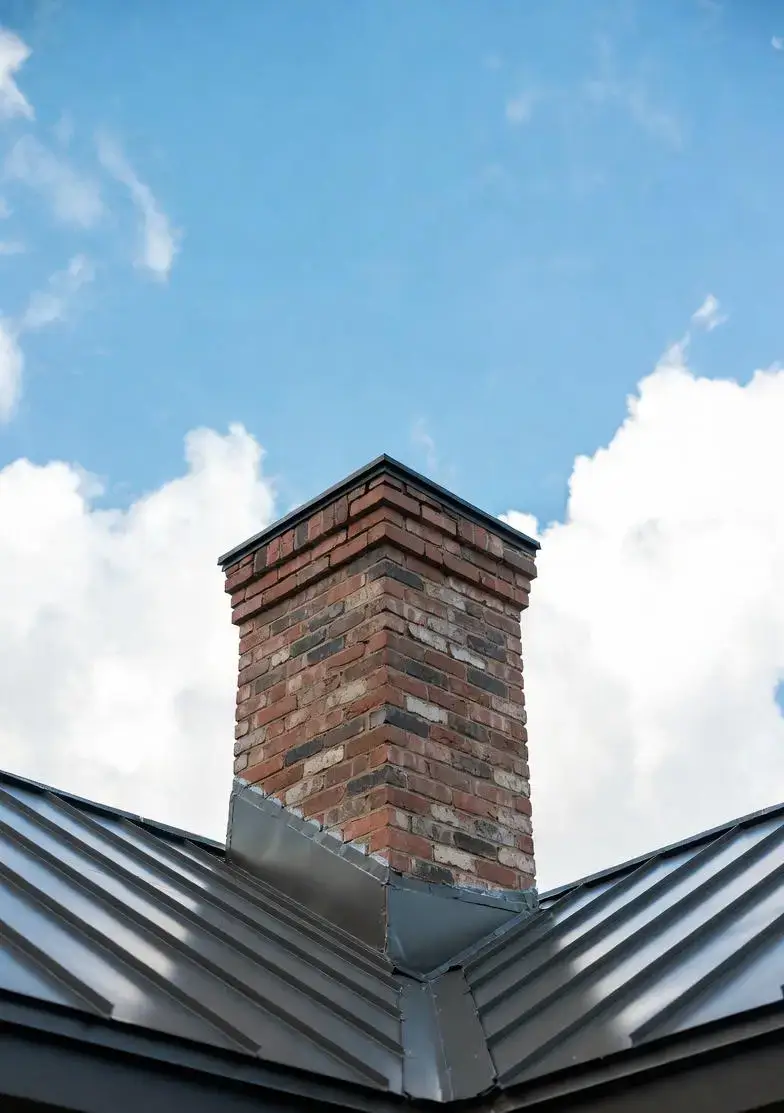
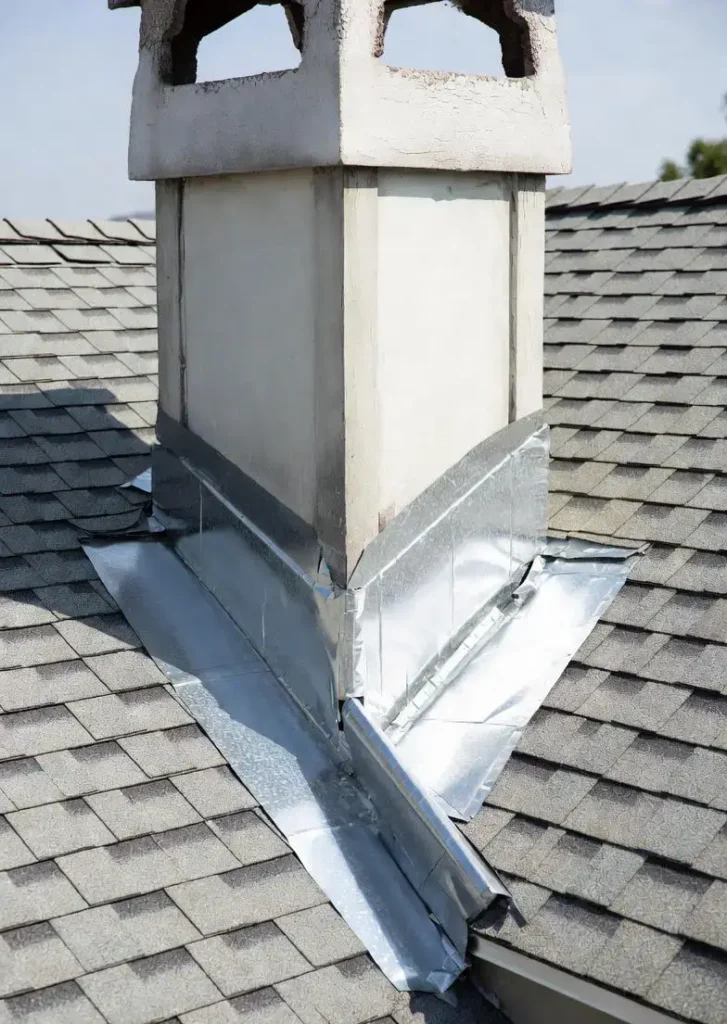
Chimney flashing is the metal system that seals the gap between your chimney and your roof. That’s it. Simple concept. High-risk area.
You’ve got:
- A vertical structure (the chimney)
- A sloped surface (the roof)
- Constant movement from temperature changes
- Water flowing straight toward that joint
That’s a perfect setup for leaks.
Flashing isn’t just “a piece of metal.” It’s a layered system designed to move with the roof, shed water, and keep moisture from sneaking behind shingles and into the framing.
When flashing fails, water doesn’t always drip into your living room right away. It travels. It soaks. It rots things you can’t see — until you can.
Why Chimney Flashing Fails So Often in Detroit
Detroit roofs live a harder life than most.
We get:
- Freeze-thaw cycles
- Heavy snow loads
- Ice dams
- Wind-driven rain
- Hot summers that expand materials
All of that movement works against chimney flashing.
Common reasons flashing fails here:
- Old galvanized flashing rusting out
- Improper installation from the start
- Mortar joints breaking down
- Roof replacements that reused old flashing
- Tar or caulk “repairs” that cracked in winter
A lot of leaks I see aren’t because flashing was never there — it’s because it was done half-right or patched instead of properly rebuilt.
Signs Your Chimney Flashing Is the Problem (Not the Roof)
Homeowners always assume it’s “the shingles.” Sometimes it is. A lot of times, it’s not.
Red flags that point to chimney flashing:
- Water stains near the chimney on ceilings or walls
- Leaks only during heavy rain or snow melt
- Damp attic insulation near the chimney
- Rusted metal around the chimney base
- Cracked or missing mortar where flashing meets brick
- Repeated “repairs” that never seem to last
If the leak keeps coming back after patch jobs, that’s not bad luck — that’s bad flashing.
Why This Is Not a DIY Job (Even If you’re Handy)
I’m not anti-DIY. I’m anti-false confidence.
Chimney flashing looks simple until you realize:
- It requires cutting into shingles correctly
- It needs to be stepped, layered, and counter-flashed
- It often requires grinding into mortar joints
- It must integrate with the roof’s drainage plane
One wrong move and water goes behind the system instead of over it.
The most common DIY mistakes:
- Surface-mounting flashing instead of embedding it
- Using roofing cement instead of proper metal
- Relying on caulk as the primary seal
- Damaging shingles during removal
- Creating water traps instead of runoff paths
Water always finds the mistake. Always!
What a Professional Roofer Does Differently
A real roofer doesn’t just “seal the chimney.”
They:
- Remove shingles properly around the chimney
- Install step flashing with each shingle course
- Add counter-flashing embedded into mortar joints
- Ensure proper overlap and water flow
- Replace damaged decking if needed
- Match materials to Detroit weather conditions
The goal isn’t to make it look sealed today.
The goal is to make it not leak for the next 15–30 years.
That only happens when flashing is installed as a system, not a patch.
The Difference between Step Flashing and Counter Flashing (This Matters)
Quick breakdown — because this is where most failures happen for the chimney.
Step flashing
- Installed with the shingles
- Moves with the roof
- Directs water away as it flows down
Counter flashing
- Installed into the chimney masonry
- Covers and protects the step flashing
- Prevents water from getting behind the system
If you only have one and not the other, the system is incomplete.
A lot of Detroit homes only have surface-mounted flashing smeared with tar. That’s not flashing — that’s a temporary band-aid.
What Happens If You Ignore Bad Chimney Flashing
This is where things get expensive.
Unchecked chimney flashing leaks can cause:
- Rotted roof decking
- Mold growth in attic spaces
- Damaged insulation
- Ceiling and wall repairs
- Brick deterioration
- Structural framing rot
And here’s the kicker:
Insurance companies love denying these claims because flashing leaks are often labeled “maintenance issues.”
Fixing flashing early is cheap compared to repairing what water destroys later.
Chimney Flashing During a Roof Replacement (Big Miss Here)
If you’re getting a new roof and the contractor says they’ll “reuse the flashing,” that should make you pause.
Old flashing:
- Has already flexed for years
- May be rusted or fatigued
- Was shaped for the old roof system
New shingles on old flashing is like putting new tires on a bent rim.
In Detroit, where roofs expand and contract constantly, reusing chimney flashing is asking for leaks within a few seasons.
Does the Type of Chimney Matter?
Yes. A lot!
Brick chimneys require:
- Proper mortar joint cutting
- Correct counter-flashing depth
- Sealing that allows movement without cracking
Metal or prefab chimneys have different flashing requirements entirely.
A roofer who understands chimney types won’t treat them all the same — because they aren’t.
How Long Proper Chimney Flashing Should Last
When done right:
- Flashing should last as long as the roof
- No recurring leaks
- No yearly “maintenance” patches
- No tar blobs every spring
If flashing needs attention every year, it wasn’t installed correctly.
Why Detroit Homeowners Shouldn’t Delay This Repair
Between snow load, ice dams, and freeze-thaw cycles, chimney flashing problems don’t fix themselves — they get worse.
What starts as a small seep in February turns into:
- Interior staining by spring
- Wood rot by summer
- Major repairs by fall
Detroit weather is unforgiving. Roofing systems either work — or they fail loudly. Meaning roofing inspections in Detroit and repairs happen often.
The Real Issue for Your Chimney
If your chimney is leaking, chimney flashing is almost always the real issue.
This is not a cosmetic repair.
This is not a caulk-and-pray situation.
And it’s definitely not something to ignore.
A qualified roofer knows how to:
- Install proper flashing systems
- Match Detroit’s climate demands
- Stop the leak without creating new ones
Get it done once. Get it done right. Everything else is just buying time — and water always wins.
Water Leaking Around Your Chimney?
Chimney flashing leaks don’t get better with time — they rot roof decking, soak insulation, and turn into expensive repairs fast. If you’re noticing stains, drips, or moisture near your chimney, it needs a proper inspection and repair, not another temporary patch.
Call Now for a Chimney Flashing Inspection