
Why Is My Floor Squeaking? Causes, Fixes, and When to Call a Handyman
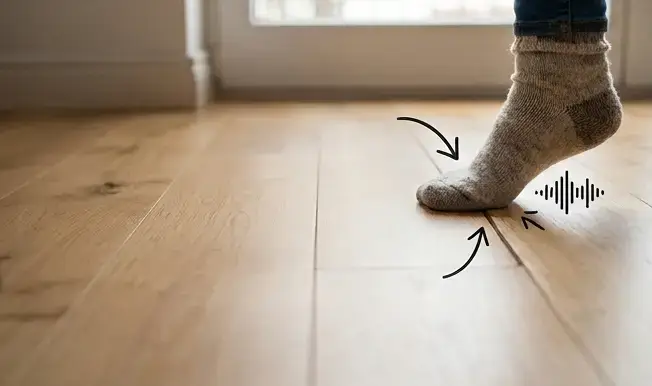
A squeaky floor is one of the most common problems homeowners experience, especially in older homes. That annoying creaking sound every time you walk across the room may seem harmless, but it usually means there is movement happening somewhere underneath your flooring.
So, why is your floor squeaking?
A floor usually squeaks because two parts of the flooring system are rubbing together or moving when pressure is applied. Loose floorboards, gaps between the subfloor and joists, changing humidity levels, aging materials, and improper installation are some of the most common causes.
While some squeaks are minor and easy to repair, others can indicate a larger issue that should be inspected. Understanding what causes a squeaky floor can help you decide whether it is a simple fix or something that requires professional help.
Why Does My Floor Squeak When I Walk on It?
The most common reason a floor squeaks when you walk on it is movement between the flooring materials.
Your floor is not one solid piece. It is made up of several layers, including:
- Finished flooring such as hardwood, laminate, or vinyl
- Subfloor panels underneath the finished flooring
- Nails, screws, or fasteners holding everything together
- Floor joists that support the entire system
When these materials become loose or shift over time, they can rub against each other. That friction creates the squeaking noise you hear when someone steps on the floor.
The sound may happen every time you walk over a certain area, or it may only occur under specific conditions, such as during colder months.
What Are the Most Common Causes of a Squeaky Floor?
There are several reasons floors develop squeaks. Identifying the cause is the first step toward fixing the problem.
1. Loose Floorboards
Loose floorboards are one of the most common causes of squeaking, especially in hardwood flooring.
Over time, flooring materials naturally expand and contract. As seasons change, wood can shrink during dry conditions and expand when moisture levels increase.
This movement can loosen the connection between the flooring and the fasteners holding it in place. When someone walks across the floor, the board moves slightly and rubs against nearby materials.
Signs of loose floorboards include:
- Squeaking in one specific area
- Visible gaps between boards
- Flooring that feels like it moves slightly under pressure
- Noise that occurs only when someone steps on certain boards
A handyman can often secure loose boards and reduce the movement causing the squeak.
2. Subfloor Separation
Your subfloor provides the foundation underneath your visible flooring. When the subfloor separates from the floor joists, it can create a squeaking sound.
This happens because the subfloor moves slightly when weight is placed on it. The movement creates friction between the subfloor, nails, screws, or joists.
Subfloor issues are common in older homes because materials can weaken over decades. They can also happen because of improper installation, moisture damage, or normal settling.
If your floor squeaks in multiple areas, the problem may be related to the subfloor rather than the finished flooring.
3. Humidity and Temperature Changes
Why do floors often squeak more in winter?
Cold weather and indoor heating systems can create dry conditions inside your home. Wood flooring loses moisture and contracts, which can create small gaps between boards.
During humid summer months, wood absorbs moisture and expands again. This constant seasonal movement can eventually lead to squeaks.
Michigan homeowners often notice this issue because homes experience large temperature swings throughout the year.
Maintaining stable indoor humidity can help reduce floor movement, but existing squeaks usually require a repair.
4. Floor Joist Problems
Floor joists are the structural supports underneath your floor. They carry the weight of your flooring, furniture, and everything inside your home.
If there is a small gap between the joist and the subfloor, movement can occur every time someone walks across the floor.
This can create:
- Squeaking sounds
- Bouncing floors
- Uneven areas
- Increased movement over time
Floor joist problems are more difficult to identify because they are usually hidden underneath the flooring. Homes with basements or crawl spaces are often easier to inspect because the support structure is accessible.
5. Improper Flooring Installation
Sometimes squeaky floors are caused by installation problems.
If flooring was not properly secured when installed, movement can develop over time.
Common installation issues include:
- Not enough nails or screws
- Improper spacing between boards
- Flooring installed over an uneven surface
- Loose subfloor connections
- Missing adhesive in certain areas
A floor does not have to be old to squeak. Even newer flooring can develop problems if installation issues exist.
Why Does My Floor Squeak in One Spot Only?
Many homeowners notice their floor only squeaks in one specific location.
A single squeaky spot usually means there is localized movement underneath that area. This could be caused by:
- One loose floorboard
- A small gap between the subfloor and joist
- A damaged fastener
- A small uneven section underneath the flooring
The good news is that a single squeaky area is often easier to repair than widespread floor noise.
Are Squeaky Floors a Sign of a Bigger Problem?
In most cases, a squeaky floor is not a serious structural problem. Many homes develop squeaks simply because materials age and move over time.
However, there are situations where squeaking should not be ignored.
You should consider having your floor inspected if you notice:
- Soft spots in the floor
- A bouncing or sagging area
- Large sections of flooring squeaking
- Water damage nearby
- New noises that suddenly appear
These signs could indicate issues beyond normal floor movement.
How Do I Find Where My Floor Is Squeaking?
Finding the exact source of a squeak can sometimes be difficult.
A simple method is to have one person slowly walk across the floor while another person listens carefully.
Pay attention to:
- Where the sound begins
- Whether the floor moves under pressure
- Whether the squeak happens every time or only occasionally
If you have access to a basement or crawl space, looking underneath the floor can also help identify loose areas.
Can I Fix a Squeaky Floor Myself?
Some minor squeaks can be repaired with DIY methods, but the correct solution depends on the cause.
Possible DIY approaches include:
- Tightening loose screws
- Adding support underneath accessible areas
- Using flooring-specific repair products
However, many homeowners struggle because they cannot identify exactly what is moving.
Using the wrong repair method can:
- Damage hardwood flooring
- Create visible holes or marks
- Fail to stop the squeak
- Hide a larger problem
For long-lasting results, it is usually best to identify the actual cause before making repairs.
How Do Professionals Fix Squeaky Floors?
A handyman typically starts by inspecting the flooring to determine where the movement is occurring.
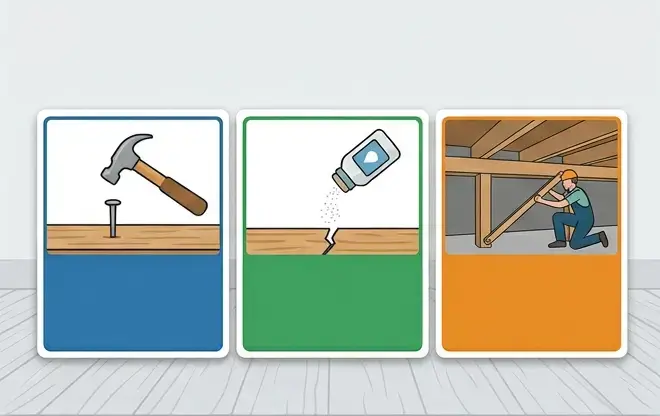
Common repair methods include:
Securing Loose Flooring
Loose boards can be fastened to prevent movement and reduce friction.
Reinforcing the Subfloor
Additional screws or support materials may be used to strengthen areas where the subfloor has separated.
Supporting Floor Joists
If the issue is underneath the floor, additional support may be added to stabilize the structure.
Repairing Damaged Areas
In some cases, damaged flooring materials may need repair or replacement.
The right repair depends on the type of flooring, the age of the home, and the location of the problem.
How Much Does It Cost to Fix a Squeaky Floor?
The cost to repair a squeaky floor depends on what is causing the noise.
A simple loose board repair may be relatively inexpensive, while repairs involving subfloors or floor joists may require more labor.
Factors that affect repair costs include:
- Size of the affected area
- Accessibility underneath the floor
- Type of flooring
- Amount of damage
- Labor required
Having a professional inspect the issue first can help you understand the best repair option.
How Can I Prevent Floor Squeaks?
While no floor stays perfectly silent forever, homeowners can reduce future problems by following proper maintenance practices.
Ways to prevent squeaky floors include:
- Maintain consistent indoor humidity levels
- Repair water leaks quickly
- Address loose flooring early
- Avoid ignoring small movement issues
- Schedule inspections for older homes
Regular maintenance can help extend the life of your flooring system and prevent small problems from becoming larger repairs.
Frequently Asked Questions About Squeaky Floors
Is a squeaky floor dangerous?
Most squeaky floors are not dangerous. They are usually caused by normal movement between flooring materials. However, soft spots, sagging, or excessive movement should be inspected.
Why does my hardwood floor squeak?
Hardwood floors often squeak because the boards expand and contract with changes in humidity. Loose fasteners or gaps underneath the boards can also create noise.
Can a handyman fix a squeaky floor?
Yes. A handyman can often diagnose and repair common causes of squeaky floors, including loose boards, subfloor movement, and minor support issues.
Do squeaky floors mean my house is settling?
Not always. Some squeaks happen because of normal aging, seasonal changes, or loose flooring materials. A professional inspection can determine the actual cause.
Will replacing my flooring stop squeaks?
Not necessarily. If the problem is underneath the flooring, installing new flooring without fixing the underlying issue may not eliminate the noise.
Fixing a Squeaky Floor
A squeaky floor can be frustrating, but it is usually a problem that can be solved once the cause is identified.
Whether the issue comes from loose floorboards, subfloor movement, changing humidity, or aging materials, finding the source of the noise is the key to a lasting repair.
If your floors are becoming louder over time or you are tired of hearing every step throughout your home, having the problem inspected can help protect your flooring and restore peace and quiet.
Need Help Fixing a Squeaky Floor?
Are annoying floor squeaks driving you crazy? A local handyman can inspect your flooring and help find the cause of the noise. Call today for professional floor repair assistance.
Call Now: 313-766-2200