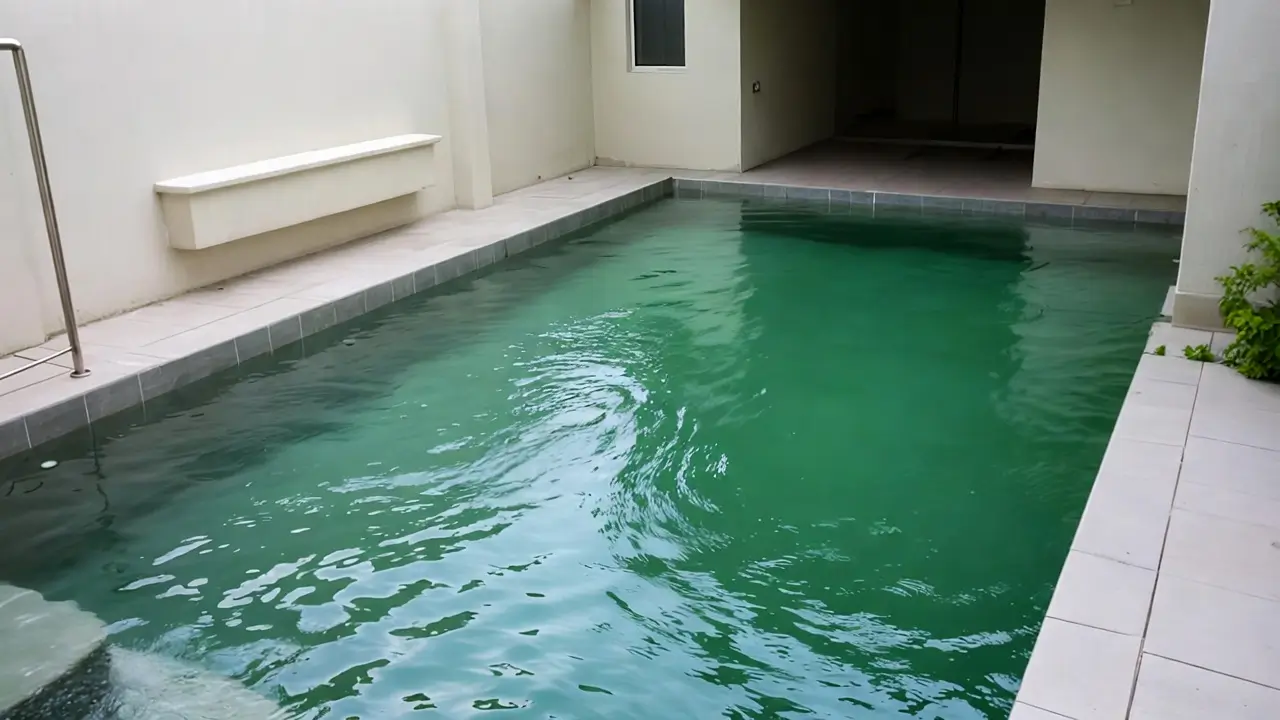
What Is the Fastest Way to Clean a Green Pool? A Step-by-Step Guide to Clearing Algae Quickly
Need Help Cleaning a Green Pool Fast?
If your pool water has turned green, algae is likely taking over the water and filtration system.
Our pool cleaning specialists can quickly treat the water, eliminate algae, and restore clear swimming conditions.
Call Now: 844-944-2158
Opening your pool only to find green water can be frustrating. Instead of a clear blue swimming pool, you’re staring at murky water that looks more like a swamp. A green pool usually means algae has taken over, and it often happens when chlorine levels drop, filtration stops running properly, or debris builds up in the water.
The good news is that a green pool can usually be fixed quickly if you take the right steps. Many homeowners waste time adding random chemicals or running the filter without addressing the real issue. The fastest way to clean a green pool involves removing debris, balancing the water chemistry, shocking the pool, and running proper filtration until the water clears.
In this guide, we’ll walk through the fastest and most effective way to turn a green pool back into a clean, safe place to swim.
Why Pools Turn Green in the First Place
Before fixing a green pool, it helps to understand what caused it. In most cases, the problem is algae growth.
Algae thrive in warm water when chlorine levels drop too low. Once algae begin multiplying, the water turns green and cloudy. If the problem isn’t addressed quickly, algae can spread across pool walls, floors, and even inside the filtration system.
Common causes of green pools include:
- Low chlorine levels
- Poor water circulation
- Dirty filters
- Leaves and debris in the pool
- Heavy rain diluting chemicals
- Long periods without maintenance
Once algae start growing, the key is killing the algae and filtering it out as quickly as possible.
Step 1: Remove Debris From the Pool
The first step in clearing a green pool is removing any visible debris.
Leaves, sticks, bugs, and dirt provide nutrients that help algae grow. If these materials remain in the water, they make it harder for chemicals to work properly.
Use a pool skimmer net to remove:
- Leaves
- Twigs
- Insects
- Floating debris
If debris has sunk to the bottom of the pool, a manual vacuum or pool cleaner can help remove it.
Clearing debris first helps prevent the filtration system from clogging and allows pool chemicals to work more effectively.
Step 2: Brush the Pool Walls and Floor
Algae often cling to pool surfaces, especially along walls, steps, and corners.
Brushing the pool loosens algae so that chlorine and filtration can remove it from the water.
Use a pool brush designed for your pool surface:
- Nylon brushes for vinyl pools
- Stainless brushes for concrete or plaster pools
Focus on areas where algae tend to accumulate, such as:
- Pool corners
- Steps and ladders
- Around return jets
- Pool floor edges
Brushing breaks up algae colonies and speeds up the cleaning process.
Step 3: Test and Balance the Water Chemistry
Before shocking the pool, you should test the water chemistry.
Balanced water helps chlorine work more effectively against algae.
Use a pool test kit to check:
- pH levels
- Chlorine levels
- Alkalinity
Ideally, pH should be between 7.2 and 7.6 before shocking the pool.
If the pH is too high, chlorine becomes less effective at killing algae.
Adjusting the chemistry first helps the shock treatment work faster.
Step 4: Shock the Pool With Chlorine
The most important step in clearing a green pool is shocking the water.
Pool shock is a concentrated chlorine treatment designed to kill algae and bacteria quickly.
When shocking a green pool:
- Follow the dosage instructions based on pool size
- Add the shock in the evening to prevent sunlight from reducing effectiveness
- Spread the chemical evenly around the pool
Green pools often require multiple shock treatments depending on the severity of the algae bloom.
In some cases, very green pools may require double or triple shocking.
Step 5: Run the Pool Filter Continuously
Once the algae have been killed, the filtration system needs to remove the dead algae particles from the water.
Run the pool filter continuously for 24–48 hours after shocking.
During this time, the filter will capture debris and help clear the water.
Be sure to:
- Clean the skimmer basket
- Check the pump basket
- Monitor filter pressure
As the filter collects debris, pressure may increase and require cleaning or backwashing.
Step 6: Vacuum the Pool
After shocking and filtering, dead algae often settle at the bottom of the pool.
Vacuuming removes these particles so they don’t continue clouding the water.
You can vacuum using:
- A manual pool vacuum
- An automatic pool cleaner
- A robotic pool cleaner
For very dirty pools, vacuuming to waste may help remove debris faster.
Step 7: Clean or Backwash the Filter
Your filter does a lot of work during the pool cleaning process.
As algae and debris accumulate, the filter can become clogged and lose efficiency.
Depending on your filtration system:
- Sand filters should be backwashed
- Cartridge filters should be removed and rinsed
- DE filters may require full cleaning and recharge
A clean filter helps speed up the process of clearing cloudy water.
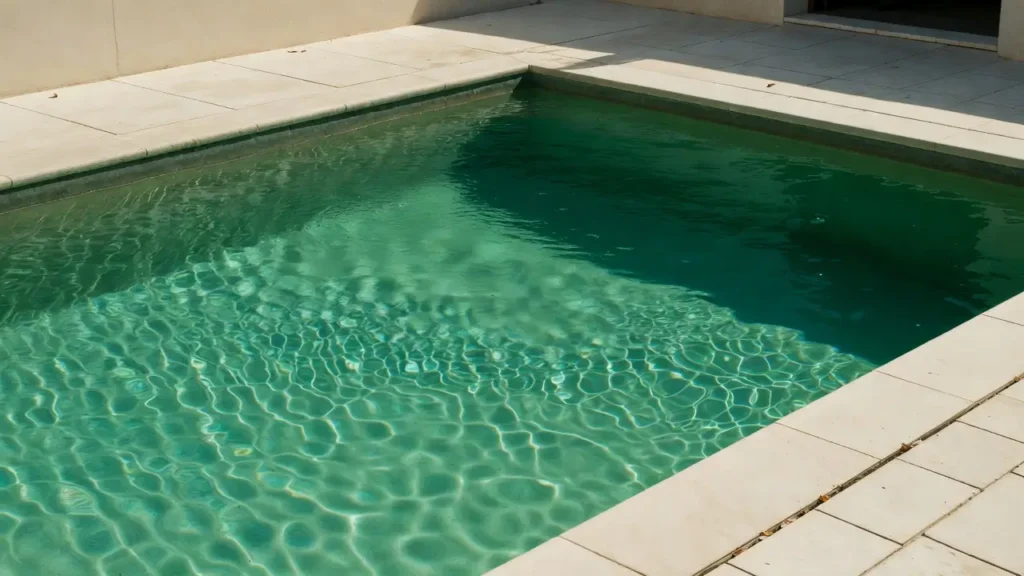
How Long Does It Take to Fix a Green Pool?
The time required depends on how severe the algae problem is.
Typical cleanup times include:
- Light algae: 24–48 hours
- Moderate algae: 2–3 days
- Severe algae bloom: up to 5 days
Following the correct steps can significantly reduce cleanup time.
The biggest mistakes homeowners make are not brushing the pool or not running the filter long enough.
How to Prevent Your Pool From Turning Green Again
Once your pool is clear, regular maintenance helps prevent future algae growth.
Simple preventative steps include:
Maintain Proper Chlorine Levels
Chlorine should typically stay between 1–3 ppm to prevent algae growth.
Run the Pool Pump Daily
Running the pump keeps water circulating and prevents stagnant areas where algae can develop.
Clean the Pool Regularly
Removing debris and brushing surfaces reduces algae buildup.
Shock the Pool Periodically
Occasional shock treatments help eliminate contaminants before they become a bigger problem.
The Fastest Way to Clear a Green Pool
A green pool can look intimidating, but the solution is usually straightforward.
The fastest way to clean a green pool involves:
- Removing debris
- Brushing pool surfaces
- Balancing water chemistry
- Shocking the pool
- Running the filter continuously
- Vacuuming dead algae
- Cleaning the filtration system
By following these steps, most pools can return to clear water within a few days.
If the algae problem is severe or the water isn’t clearing properly, professional pool cleaning services can often restore a pool much faster.
Another factor that can slow down the process of clearing a green pool is poor water circulation. Even if the right chemicals are added, stagnant water areas allow algae to survive and continue spreading. Make sure return jets are aimed to create a circular flow throughout the pool so water is constantly moving. Running the pump continuously during the cleanup process ensures that chlorine reaches every part of the pool and helps move dead algae into the filtration system where it can be removed.
Sunlight also plays a role in how quickly a pool turns green and how fast it clears up. Algae grow rapidly in warm, sunny water, which is why green pools often appear after several hot days without proper chlorine levels. At the same time, sunlight can burn off chlorine quickly, especially when stabilizer levels are low. Adding shock treatments in the evening helps maximize their effectiveness because the chlorine has more time to work overnight without being reduced by UV rays from the sun.
Once the pool begins to clear and the water turns from green to a cloudy blue color, that’s usually a sign the algae are dead and the filtration system is doing its job. At this stage, patience is important. Continue brushing the pool surfaces, vacuuming debris from the floor, and cleaning the filter as needed. As the filter removes smaller particles from the water, the pool will gradually return to a clear blue appearance. With proper circulation, filtration, and balanced chemistry, most green pools can be restored much faster than many homeowners expect.
Schedule Fast Green Pool Cleanup
Don’t waste days trying random chemicals. A professional pool cleaning can eliminate algae and restore your pool much faster.
Get expert help clearing your green pool and getting your backyard ready for swimming again.
Call Now: 844-944-2158