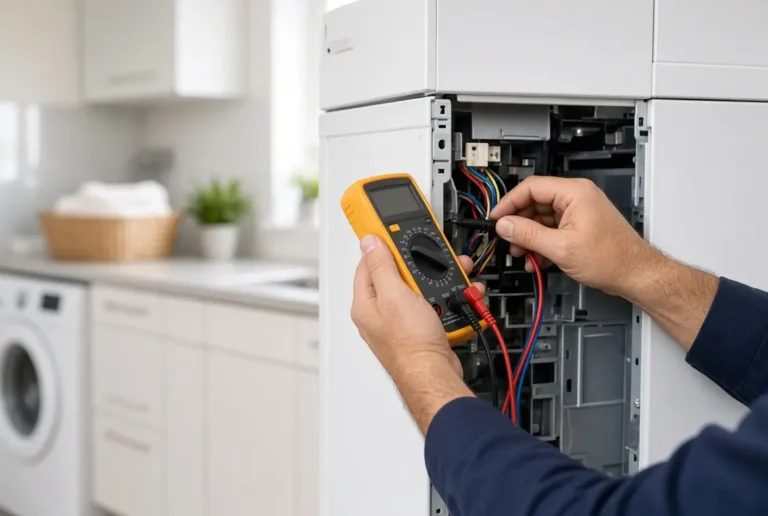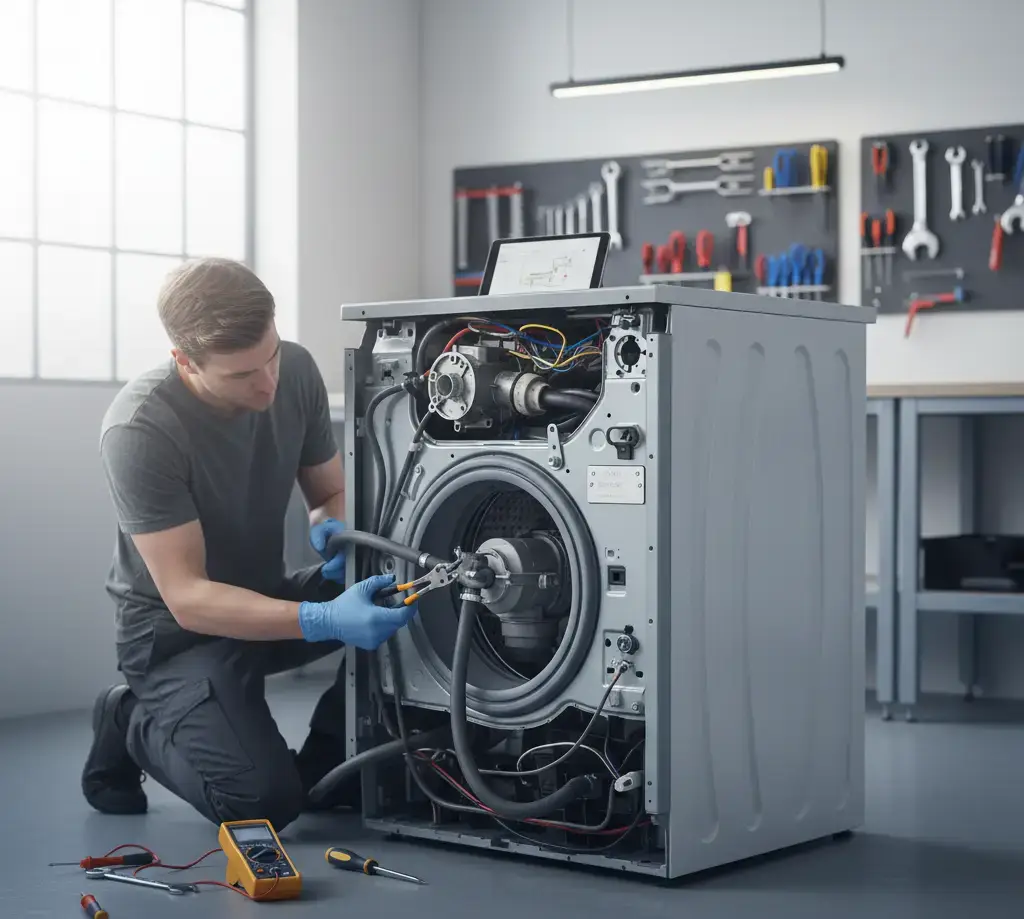
Washing Machine Repair in Flint: What’s Going Wrong and When to Fix It
When a washing machine breaks, it throws your whole routine off. Laundry piles up fast. Clothes don’t get clean. Water ends up where it shouldn’t. And suddenly something you never think about becomes a daily headache.
In Flint homes, we see washing machine problems all the time—especially in older houses where plumbing, electrical, and appliances have been working together for decades. What’s the he good news? Most washer problems start small. Now we have the bad news? Ignoring them usually makes things worse.
Let’s walk through what actually goes wrong, what you should not try fixing yourself, and when it makes sense to call for help for washing machine repair in Flint Michigan.
The Common Symptoms Homeowners Notice First
Washing machines don’t usually fail all at once. They give warning signs. Most people just don’t realize what they’re looking at yet.
Some of the most common symptoms include:
- Washer won’t start at all
- Washer fills but doesn’t agitate
- Loud banging or shaking during spin cycle
- Water leaking onto the floor
- Washer won’t drain completely
- Clothes coming out soaking wet
- Burning smell or electrical odor
If any of this sounds familiar, the washer is already telling you something’s wrong.
Why Washing Machines Fail in Flint Homes
There’s no single reason washers break down, but there are patterns—especially in Flint.
1. Age and Wear
Many homes are still running washers that are 10–15+ years old. That doesn’t mean they’re junk, but it does mean:
- Belts stretch
- Motors wear
- Pumps weaken
- Bearings start to fail
Wear adds up over time.
2. Water Supply and Drain Issues
Washers rely heavily on proper water flow and drainage.
Problems happen when:
- Drain lines are partially clogged
- Hoses kink or crack
- Valves stick open or closed
This can cause leaks, slow draining, or cycles that never finish.
3. Overloading the Washer
This is more common than people want to admit.
Overloading:
- Strains the motor
- Damages suspension components
- Causes loud shaking
- Shortens the life of the machine
Just because clothes fit doesn’t mean the washer is happy about it.
4. Electrical and Control Problems
Washers today have more electronics than older models.
Control board issues can cause:
- Random shutdowns
- Failure to start
- Stuck cycles
- Buttons that don’t respond
These problems look confusing, but they’re often repairable.
What NOT to DIY With a Washing Machine
Some fixes look simple online. That’s where things go sideways.
You should not:
- Bypass door or lid switches
- Keep resetting breakers repeatedly
- Ignore leaks and “just run it anyway”
- Tear into the control panel without testing
- Replace parts without confirming the cause
Water + electricity + moving parts are not the place to guess.
A small mistake can turn a repairable washer into one that’s not worth fixing anymore.
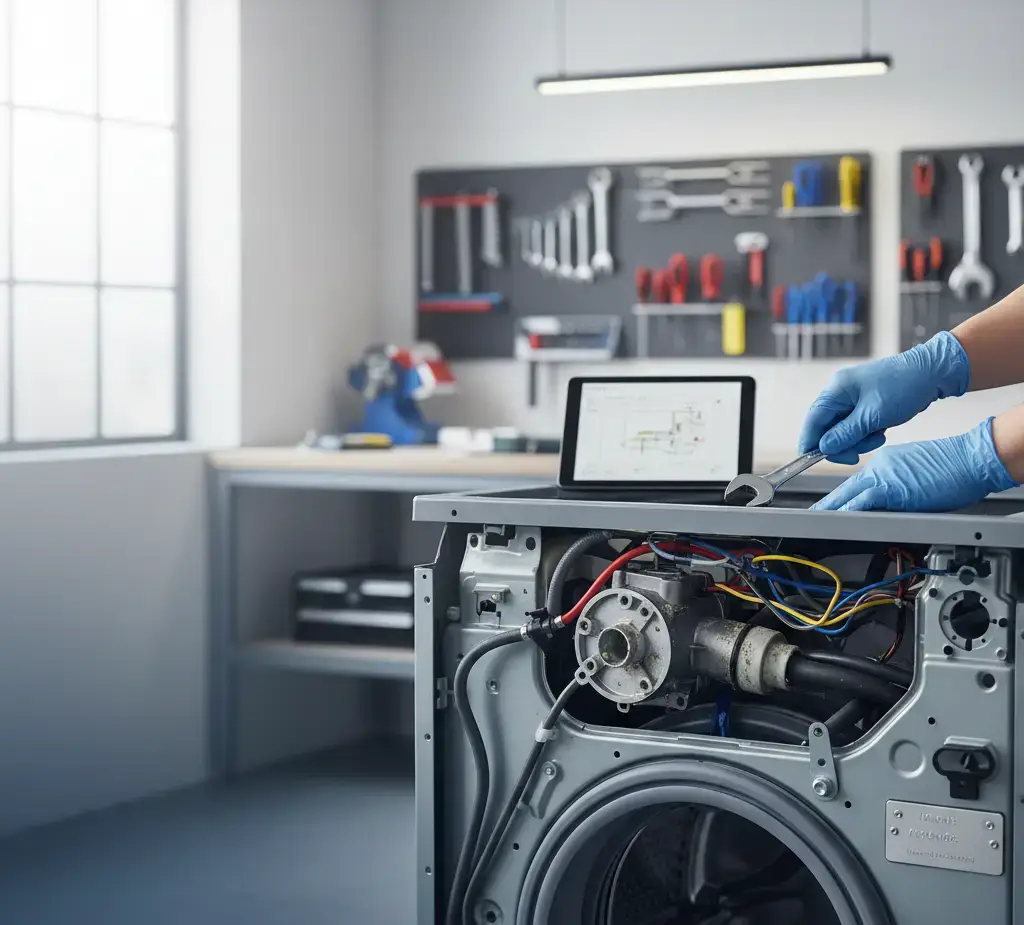
Why Leaks Should Never Be Ignored
A slow leak doesn’t stay slow.
Even small leaks can:
- Damage flooring
- Cause mold or mildew
- Rot subfloors
- Lead to bigger plumbing issues
In Flint homes with basements, leaks can travel fast and show up far from the washer itself.
If you see water, it’s already time to act.
When a Washer Is Worth Repairing
Repair usually makes sense when:
- The washer is under 10–12 years old
- The issue is mechanical (pump, belt, switch)
- The drum and frame are in good shape
- The repair cost is reasonable
A good repair can give you years more life out of the machine.
When Replacement Might Make More Sense
Replacement may be the better option if:
- The washer has major bearing failure
- The drum is damaged
- Multiple major components are failing
- Repair costs approach replacement value
A solid technician will tell you honestly which direction makes sense.
Why a Handyman Is Often the Right Call
Washing machine problems don’t always live in one lane.
They often involve:
- Appliance mechanics
- Plumbing connections
- Electrical supply
- Drainage systems
A skilled handyman can:
- Diagnose the issue correctly
- Fix common washer failures
- Address leaks or hose issues
- Make sure everything is safe and secure
That saves you from calling three different companies for one problem.
Why “It Worked Yesterday” Doesn’t Mean Much
This is something we hear all the time.
Washers can work just enough before finally failing. A pump that’s struggling today will probably stop tomorrow. A motor that overheats may work cold and fail warm.
If your washer is acting inconsistent, that’s usually the final warning before a full breakdown.
Why Washer Problems Often Show Up All at Once
A lot of homeowners feel like their washing machine “suddenly” broke. In reality, most washer failures build up quietly over time.
What usually happens is:
- One component starts wearing out
- The washer compensates for a while
- Cycles take longer
- Sounds get louder
- Vibration increases
Eventually, something hits its limit and the washer stops working properly. That’s why it feels sudden even though the problem has been developing for months.
In Flint homes, this happens more often because washers are often located in basements or utility rooms where moisture and temperature changes speed up wear.
Why Excessive Vibration Is a Bigger Deal Than It Looks
A washer that shakes violently during the spin cycle isn’t just annoying—it’s damaging itself.
Excessive vibration can:
- Loosen internal fasteners
- Damage suspension components
- Crack drain hoses
- Stress electrical connections
Left unchecked, vibration turns a simple repair into multiple failures happening at once. That’s why loud shaking should never be ignored or “balanced out” with random objects.
How Small Repairs Extend Washer Life
Catching problems early makes a big difference.
Replacing a worn pump, belt, or switch now can add years to the washer’s life. Waiting until the washer won’t run at all often means more parts fail at the same time.
Early repairs are almost always cheaper—and far less stressful—than emergency replacements.
When You Have Washing Machine Problems
Washing machine problems are frustrating—but they’re rarely mysterious.
If your washer is leaking, not spinning, not draining, or not starting, there’s a reason. The key is fixing it early, before the problem spreads to your floors, walls, or plumbing.
Handled the right way, washer repair is often straightforward. Ignored too long, it turns into a bigger headache than it needs to be.
Need Washing Machine Repair in Flint?
If your washing machine isn’t working right and you want it checked honestly and safely, help is available.
Call 313-362-6383 to schedule service.