How Do You Take Care of Algae Outbreaks in Salt Water Pools?
Let’s clear something up right away:
Salt water pools absolutely can get algae.
A lot of pool owners think switching to salt means they’re done worrying about algae forever. That’s not how it works. Salt pools still use chlorine. They just generate it differently. And when something gets out of balance, algae shows up fast.
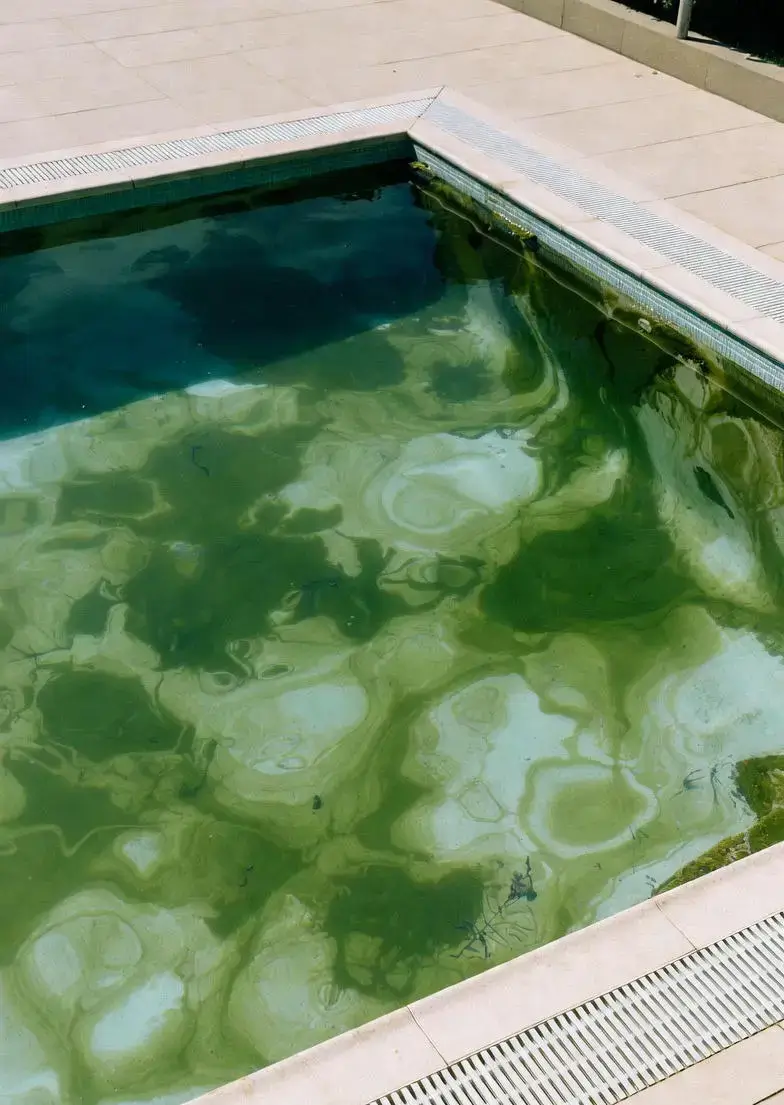
If you’re salt water pool is starting to look green, cloudy, or slick on the walls, you don’t have a mystery problem—you have a chemistry and maintenance problem. The good news is, algae outbreaks are fixable if you handle them correctly and don’t half-do it.
Let’s walk through what actually causes algae in salt pools and how to get rid of it the right way.
Why Algae Happens in Salt Water Pools
Salt water pools rely on a salt chlorine generator (SCG) to produce chlorine. When everything is working and balanced, the pool stays clean. When it’s not, algae takes advantage.
The most common causes are:
- Low free chlorine
- Poor circulation
- Dirty filters
- Imbalanced water chemistry
- A salt cell that isn’t producing enough chlorine
- Hot weather and heavy pool use
Algae doesn’t need much to start growing. A short dip in chlorine or circulation is all it takes.
First Step: Identify the Type of Algae
Not all algae is the same, and treating it wrong wastes time.
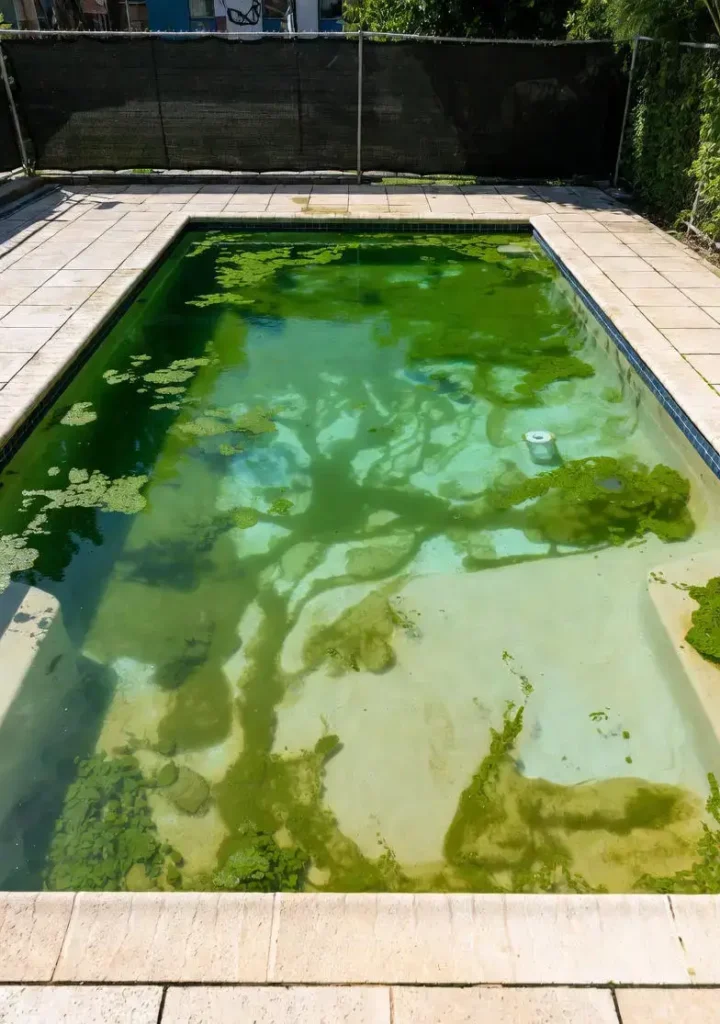
Green Algae
This is the most common. Water turns green or cloudy, and surfaces feel slippery. It’s usually caused by low chlorine.
Yellow (Mustard) Algae
This clings to walls and shady areas. It’s more resistant and comes back easily if not treated aggressively.
Black Algae
This one’s stubborn. It roots into plaster and grout and needs brushing plus high chlorine levels to kill it.
Knowing what you’re dealing with matters because some algae needs stronger treatment than others.
Step One: Test the Water (Don’t Guess)
Before dumping chemicals in the pool, test the water properly. You need accurate readings for:
- Free chlorine
- pH
- Alkalinity
- Cyanuric acid (stabilizer)
- Salt level
Most algae outbreaks in salt pools happen because free chlorine is too low for the stabilizer level. If your CYA is high and chlorine is low, algae wins every time.
If you don’t know your numbers, you’re flying blind.
Step Two: Lower the pH First
This step gets skipped all the time, and it matters.
Before shocking the pool, lower the pH to around 7.2–7.4. Chlorine works more effectively at a lower pH. If you shock without doing this, you’re wasting chlorine.
Salt pools tend to run high pH naturally, so this is especially important.
Step Three: Shock the Pool (Yes, Even Salt Pools)
Here’s another myth:
“Salt pools don’t need shock.”
They absolutely do during an algae outbreak.
Turn off the salt system and shock the pool using liquid chlorine or calcium hypochlorite. You’re not relying on the salt cell to fix an outbreak—it’s not designed for that.
The goal is to raise chlorine high enough to kill algae fast and keep it there long enough to finish the job.
This isn’t a one-hour fix. It can take a few days of maintaining shock level depending on how bad the outbreak is.
Step Four: Brush Everything Aggressively
Algae protects itself with a slimy outer layer. If you don’t brush, chlorine can’t fully penetrate it.
Brush:
- Walls
- Floor
- Steps
- Corners
- Around lights
- Behind ladders
Do this daily during treatment. No shortcuts.
This is especially critical for black and mustard algae.
Step Five: Run the Pump Non-Stop
Circulation matters more than most people realize.
During an algae outbreak:
- Run the pump 24/7
- Make sure returns are moving water across all surfaces
- Backwash or clean the filter as pressure rises
A dirty filter will slow cleanup and cause algae to linger.
Step Six: Clean or Inspect the Salt Cell
If algae keeps coming back, your salt cell might be part of the problem.
Salt cells:
- Scale up
- Lose efficiency over time
- Stop producing enough chlorine even if they “look” fine
Inspect the cell for calcium buildup and clean it if needed. Also verify that it’s actually producing chlorine at the expected level for your pool size.
A weak salt cell equals low chlorine—and low chlorine equals algae.
Step Seven: Balance the Water after Cleanup
Once the algae is gone, rebalance the pool:
- Adjust pH
- Set alkalinity correctly
- Dial in stabilizer
- Set salt system output properly
This is where long-term prevention happens.
If your chemistry stays balanced, algae doesn’t come back.
Why Algae Keeps Coming Back in Salt Pools
If you’re killing algae but it returns a week later, one of these is happening:
- Chlorine output is too low
- CYA is too high
- Filter isn’t doing its job
- Circulation is poor
- The pool isn’t being brushed regularly
Salt pools still need routine maintenance. They’re easier than traditional chlorine pools—but they’re not maintenance-free.
Preventing Future Algae Outbreaks
Here’s what actually works long term:
- Keep free chlorine in the correct range for your stabilizer level
- Brush weekly
- Clean filters regularly
- Inspect the salt cell a few times per season
- Test water consistently, not occasionally
Algae prevention is boring—but it works.
When DIY Stops Making Sense
Small algae outbreaks? Many pool owners can handle those.
But if:
- The pool stays green
- Chlorine won’t hold
- Algae keeps returning
- Water chemistry never stays balanced
Then something deeper is going on. At that point, guessing costs more than calling a pro.
Why Professional Help Saves Time and Money
A professional can quickly:
- Identify the root cause
- Correct chemistry properly
- Clean the system correctly
- Get the pool clear faster
- Prevent repeat outbreaks
Instead of throwing chemicals at the problem, it gets solved correctly.
About A Salt Water Pool
Salt water pools are great—but they’re not algae-proof. Algae outbreaks happen when chlorine drops, circulation slows, or chemistry drifts out of balance.
The key is acting fast, treating it correctly, and fixing the root cause so it doesn’t come back.
If your salt pool is green, cloudy, or fighting algae nonstop, don’t keep guessing.