What’s the proper protocol for fixing drafty doors in Michigan winters
Michigan winters are brutal: biting winds, sub-zero temps, and the kind of cold that finds every gap and seam in your house. A drafty door isn’t just annoying — it drives heating bills up, stresses HVAC systems, invites moisture problems, and makes your home uncomfortable. Here’s a straight, expert-focused protocol — step-by-step — for diagnosing, temporarily fixing, and permanently repairing drafty exterior doors in Michigan during winter.
1) Quick assessment: find the problem fast
Before spending money, figure out where the draft comes from.
- Visual check: Look at the door edge, threshold, and the area between door and frame. Rot, paint cracks, or warped jambs are red flags.
- The candle or smoke test: Light a candle or use an incense stick. Move it slowly around the perimeter of the closed door. If the flame flickers or smoke pulls, that’s your leak.
- Dollar bill test (simple & effective): Close the door over a dollar bill and try to pull it out. If it slides out easily along multiple spots, the seal is weak or uneven.
- Feel with the back of your hand: Run your hand along edges; sometimes cold spots are easy to feel even when you can’t see a gap.
Document where leaks are strongest — top, sides, bottom, or the latch area — so you can prioritize repairs.
2) Immediate temporary fixes (do these same day)
You don’t have to wait for spring. There are cheap, immediate fixes that dramatically reduce heat loss:
- Add a door sweep: These stick to or screw into the bottom of the door and block wind. A rubber or brush sweep works best in freezing weather.
- Self-adhesive weather-stripping: Use foam or V-strip weather-stripping along jambs for a quick seal. Choose compressible materials that still let the door close.
- Rope caulk or removable sealant: Good for temporary sealing of gaps in frames or between trim and siding.
- Draft stopper (sausage-style): A fabric draft snake across the bottom buys you immediate comfort.
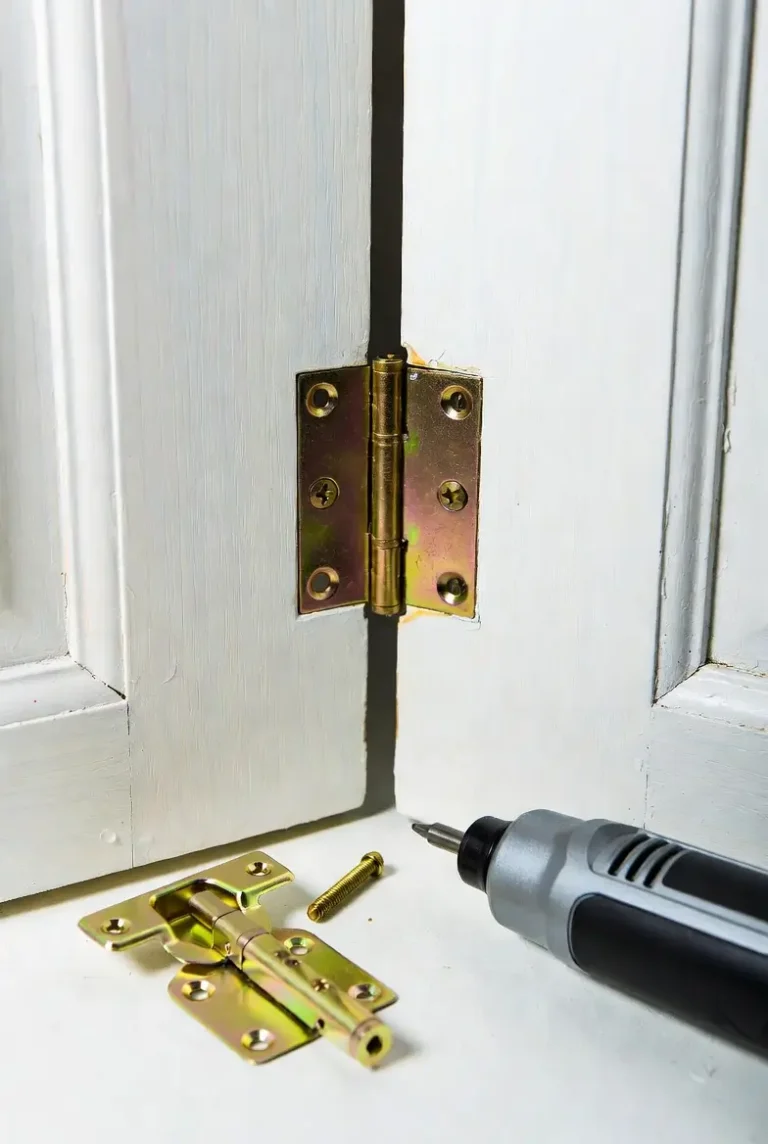
- Tighten hinges & strike plate: Loose hinges let the door sag and break the seal. Tighten screws (use longer screws if the hinge pulls out).
These are inexpensive, fast, and often reduce drafts enough to prevent frozen pipes or massive heat loss while you plan permanent repairs.
3) Permanent repairs and upgrades (do this right)
Temporary patches are fine short-term, but for true comfort and efficiency, take permanent action:

Weather-stripping replacement
Replace old, compressed, or brittle weather-stripping with a high-quality product:
- Compression/spring-metal weather-stripping for the door jamb provides a tight, durable seal.
- EPDM rubber works well in cold Michigan temperatures — it stays flexible.
- Install properly: Make sure strips compress evenly when the door closes; adjust hinge alignment if needed.
Replace the door sweep and threshold
- Adjustable thresholds allow you to set a proper seal without forcing the door.
- Replace worn thresholds — a warped or rotted threshold can be the main culprit.
Fix the frame and sill
- Replace rotten wood: Any rot in sill or jamb must be removed and replaced; water wicking and freeze-thaw cycles will only worsen it.
- Shim and realign: If the frame is out of square, the door won’t seat correctly. Re-shimming and re-hanging the door fixes alignment and sealing issues.
Consider replacing the entire door
If the door is old, thin, or uninsulated, swap it for an insulated steel or fiberglass door with:
- A foam core or insulated core
- An energy-efficient rating (look for doors rated for thermal performance)
- Tilt-in or multi-point locking for tighter seals
Address the surrounding area
- Caulk between trim and siding — gaps there can funnel wind into the frame.
- Improve storm door fit (if you have one) — a properly fitted storm door adds a second barrier and reduces drafts.
- Look for air leaks above and below the frame — sometimes attic bypasses or floor penetrations mimic a door draft.
4) Special Michigan winter considerations
Michigan’s freeze-thaw cycle and road salt mean materials break down faster. Keep these in mind:
- Use cold-rated materials: Not all foam or adhesive strips perform the same in sub-zero temps. EPDM rubber and metal-backed weather-stripping hold up better.
- Avoid water traps: Improper threshold work can let melting snow pool and freeze, causing more damage. Ensure proper drainage and use sill pans where appropriate.
- Salt and corrosion: If you live near roads treated with salt, choose corrosion-resistant screws and hardware.
5) Safety & code concerns
Don’t block necessary ventilation (combustion air) or emergency egress. If your home uses combustion heating (natural gas, oil, propane), ensure seals don’t interfere with safe appliance operation; blocked vents or altered airflow can create carbon monoxide risks. If you’re unsure, get a pro to inspect.
6) When to DIY vs. call a pro
Do it yourself if:
- The problem is limited (weatherstripping, sweep, tightening hinges).
- You’re comfortable with basic carpentry and have the right tools.
Call a pro if:
- There’s rot or structural damage to the frame or sill.
- The door is heavily warped or the home settlement has misaligned the frame.
- You suspect insulation or flashing issues that require construction skill.
- You want a full door replacement tied into flashing, siding, and proper threshold/water management.
A qualified contractor will diagnose frame issues, recommend insulated door options, and install flashing or sill pans to prevent future water intrusion — worth it in Michigan where mistakes mean costly winter damage.
7) Energy-saving payback
Fixing drafty doors always pays off:
- You’ll see reduced heating bills, less strain on your HVAC, and more consistent indoor temps.
- Fixing major leaks before them because water damage or rot avoids expensive repairs.
- Upgrading to an insulated door and proper sealing can reduce drafts enough that you’ll recover costs through energy savings over a few years.
8) Maintenance checklist (annual)
- Inspect weather-stripping and sweeps before winter and after spring thaw.
- Tighten hinge and strike plate screws.
- Re-caulk exterior trim if cracked.
- Check thresholds and drainage after heavy rains or snowmelt.
Bottom line
Don’t tolerate a drafty door through a Michigan winter. Quick temporary fixes will help immediately, but permanent repairs — proper weatherstripping, threshold work, frame repair, or full door replacement — are the only real solutions. Prioritize safety (ventilation and egress), use cold-rated materials, and call a pro when structural issues appear. Treat the problem now; your wallet and your comfort will thank you.
Need your drafty door fixed before the deep freeze?
We handle fast winter repairs, full door replacements, and weatherproofing that actually lasts through Michigan winters.
Call now: 313-513-1185
Request a Free Inspection